A well-planned residential solar system can help homeowners reduce electricity expenses, use rooftop space efficiently and generate clean energy for years. However, successful installation involves more than choosing solar panels. The system must be designed around household electricity consumption, roof conditions, sunlight exposure, electrical requirements and future energy needs.
Solar system design for home involves selecting the appropriate capacity, planning panel placement, matching the inverter to the solar array and incorporating suitable mounting and electrical protection equipment. A well-considered design can also help prevent avoidable installation problems and improve long-term reliability.
This guide explains the essential stages of residential solar planning, the main components involved and the factors homeowners should evaluate before installation.
Understanding Solar System Design for Home
What Is Residential Solar System Design?
Residential solar system design is the process of planning a complete rooftop solar installation according to a property’s energy requirements and physical conditions. It includes calculating the approximate system capacity, assessing the roof, selecting equipment and planning electrical connections.
The objective is to create a system that meets the homeowner’s energy goals while making effective use of available space and budget.
For example, a household consuming 150 units of electricity per month may need a different system from one consuming 500 units. Even two homes with similar consumption can require different designs because of shading, roof orientation, local solar conditions and electricity usage patterns.
Why Is Proper Solar Planning Important?
Solar panels have a rated capacity, but actual electricity generation depends on several factors, including sunlight, temperature, shading, inverter performance and electrical losses.
A detailed design helps identify potential issues before installation begins. These may include unsuitable panel locations, insufficient roof space, incompatible equipment, poor cable routing or inadequate mounting arrangements.
Planning also helps homeowners compare proposals based on more than price. System capacity, equipment specifications, installation quality, warranties and expected generation should all be considered when evaluating a solar investment.
Basic Design Versus Customised Solar Design
A basic design may use standard assumptions about electricity consumption and available roof space. This approach can provide a useful starting point for a straightforward installation.
A customised design considers the property’s specific characteristics, such as multiple roof sections, partial shading, structural limitations, electrical load and future expansion requirements.
For homes with complicated roof layouts or changing energy needs, customisation can help determine a more suitable panel arrangement and inverter configuration. The final design should be based on an actual site assessment rather than assumptions alone.
Key Factors That Determine the Right Solar System
Electricity Consumption and Household Load Calculation
The first step is to review electricity bills from the previous 6–12 months and calculate average monthly consumption. The units consumed, measured in kilowatt-hours (kWh), provide a more useful starting point than the bill amount alone.
A preliminary sizing formula is:
Estimated solar capacity (kW) = Average daily electricity consumption (units) ÷ Estimated daily generation per kW
For example, a household using 300 units per month consumes approximately 10 units daily. If the expected generation is estimated at 4 units per kW per day, the preliminary calculation suggests a system of approximately 2.5 kW.
This is only an initial estimate. Seasonal variations, system losses, roof limitations, export rules and future consumption can change the recommended capacity.
The design should also account for high-load appliances, including air conditioners, water heaters, induction cooktops, pumps and electric vehicle chargers. Their operating schedules help the designer understand peak demand and how solar generation will be used.
Rooftop Area, Orientation and Shading
Available roof space determines how many panels can be installed. A preliminary allowance of approximately 80–100 square feet per kW is often used for conventional rooftop planning, although panel dimensions, efficiency, mounting design and access requirements affect the actual area needed.
The assessment should account for water tanks, staircases, parapet walls, ventilation equipment and maintenance pathways. Structural condition and safe access must also be considered.
Orientation and tilt influence the amount of sunlight received. In India, a south-facing arrangement is often favourable for annual generation, but east- and west-facing panels can also be practical depending on the roof and household consumption pattern.
Shadows from trees, nearby buildings or rooftop structures can affect output. A proper assessment considers how shadows move during the day and across seasons instead of relying on a single visual inspection.
Location, Weather and Future Energy Requirements
Solar generation varies by location because sunlight availability, cloud cover, temperature, dust and seasonal weather differ. A realistic design should use location-specific generation estimates and account for expected system losses.
Homeowners should also discuss planned changes in energy consumption before installation. Adding air conditioners, expanding a home or purchasing an electric vehicle may influence the capacity required over time.
The goal is to choose a system that aligns with the homeowner’s priorities, available space and budget without paying for unnecessary capacity.
Main Components and System Configuration
Solar Panels and Inverter Selection
Solar panels convert sunlight into direct current (DC) electricity. Their rated wattage, efficiency, dimensions, electrical characteristics and warranty terms all affect equipment selection and panel layout.
The inverter converts DC electricity into alternating current (AC) used by household appliances and compatible with the electrical grid. Its selection depends on the solar array, electrical connection, operating conditions and required features.
Important inverter considerations include:
- Compatibility with the panel array’s voltage and current
- Suitable inverter capacity and maximum DC input
- Single-phase or three-phase electrical connection
- Monitoring features and efficiency
- Warranty coverage and service availability
The inverter should be selected as part of the complete system design. The appropriate panel-to-inverter sizing ratio and string configuration must be checked against the manufacturer’s specifications and site conditions.
Mounting Structures, Cables and Protection Equipment
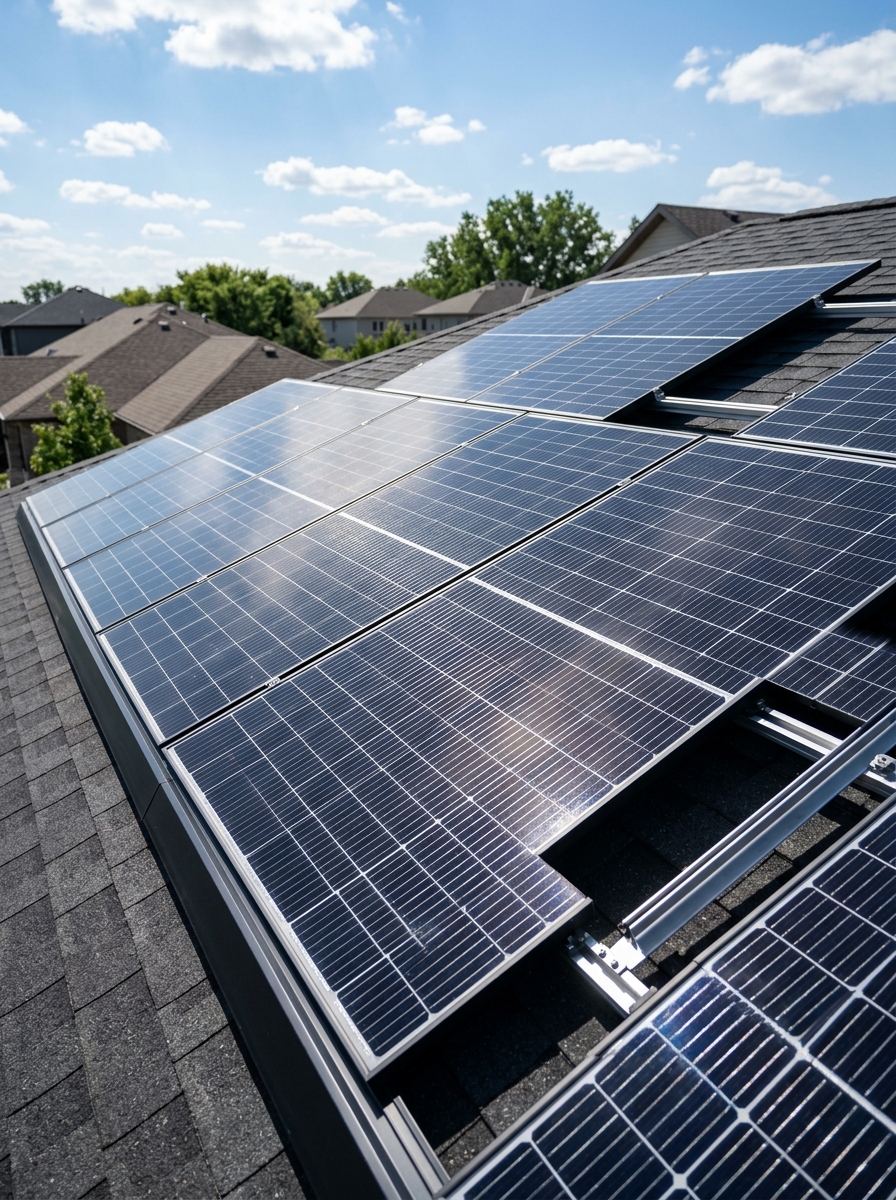
Mounting structures secure the panels to the roof. Their design depends on the roof type, panel arrangement, wind conditions, material durability and structural requirements.
The electrical design may include suitable DC and AC isolators, surge protection devices, earthing, correctly rated cables and other protection equipment required for the installation.
Cable routing should minimise avoidable losses while protecting wiring from mechanical damage and environmental exposure. Equipment must be compatible and installed according to applicable standards and manufacturer instructions.
Qualified professionals should handle electrical design, installation, testing and commissioning. Homeowners should request documentation of the installed equipment and applicable safety checks.
Choosing Between On-Grid, Off-Grid and Hybrid Systems
The system configuration should reflect the property’s electricity supply and backup requirements.
- On-grid systems: Connect to the utility grid and are commonly used to reduce electricity purchases. Standard grid-tied systems generally shut down during a grid outage unless designed with an appropriate backup arrangement.
- Off-grid systems: Operate independently of the utility grid and generally require batteries and careful energy planning.
- Hybrid systems: Combine grid connectivity with battery functionality where supported by the equipment and design.
Battery storage adds cost, so its capacity should be based on the appliances that need backup and the duration of backup required. The design should also account for battery compatibility, usable capacity and charging arrangements.
Homeowners can explore residential solar energy installations when comparing system configurations suitable for their properties.
Solar System Design Process, Benefits and Final Checks
Steps Involved in Designing a Home Solar System
A structured design process usually follows these stages:
- Review energy consumption: Analyse electricity bills, average units consumed, daily usage patterns and peak loads.
- Assess the property: Examine usable roof space, structural suitability, orientation, shading and installation access.
- Determine system capacity: Estimate solar generation and compare it with the household’s energy goals.
- Select compatible equipment: Choose panels, inverter, mounting structure, wiring and protection devices.
- Prepare the layout: Plan panel placement, cable routes, equipment locations and maintenance access.
- Estimate performance and costs: Review expected generation, installation cost, applicable incentives and potential savings.
- Complete approvals and commissioning: Follow relevant utility procedures and verify system operation before handover.
A clear design proposal should explain its assumptions and identify the equipment included in the quotation. This makes it easier to compare offers from different installers.
Benefits of a Well-Designed Solar Installation
Proper design can improve rooftop space utilisation, reduce avoidable shading losses and support suitable equipment selection. It also helps homeowners understand the likely investment before installation begins.
A detailed proposal should include estimated generation, system capacity, equipment specifications, warranty coverage, maintenance requirements and expected electricity savings. Savings should be treated as estimates because actual results depend on consumption, tariffs, weather and applicable grid-settlement rules.
Long-term reliability is another consideration. Durable mounting arrangements, suitable electrical protection, quality equipment and accessible components can make inspection and maintenance easier.
Reviewing solar products and system components can help homeowners understand the equipment categories included in a proposed installation.
Final Checklist Before Installation
Before approving a residential solar project, confirm the following:
- Recent electricity bills have been reviewed.
- The proposed capacity matches energy goals and realistic generation estimates.
- Roof suitability, shading and safe access have been assessed.
- Panels, inverter and other components are compatible.
- Electrical protection and earthing are included as required.
- The quotation clearly lists equipment, installation work and exclusions.
- Warranty and after-sales support terms are documented.
- Applicable utility approvals, metering requirements and incentive conditions have been checked.
- The final design includes expected generation and commissioning checks.
Conclusion
Solar system design for home is an essential step towards a reliable residential solar installation. By evaluating electricity consumption, roof conditions, sunlight exposure, system configuration and equipment compatibility, homeowners can make better-informed decisions before investing.
A customised design is particularly useful when a property has limited roof space, shading, multiple roof orientations or plans for higher future electricity consumption. It also helps clarify expected generation, installation costs and ongoing maintenance needs.
Rather than choosing a system based only on panel price or a general capacity recommendation, compare complete proposals from qualified solar professionals. A carefully planned design and properly commissioned installation can help homeowners use rooftop solar effectively and work towards long-term electricity savings.