Solar panels are designed to generate electricity for decades, making them a long-term investment for homeowners and businesses. Modern photovoltaic (PV) modules commonly have an expected operational life of 25 to 35 years, although their electricity output gradually decreases as they age.
This gradual reduction is known as solar panel degradation. It does not mean that a panel suddenly stops working after 25 years. Many panels continue generating useful electricity beyond their original performance warranty, depending on their condition, installation quality and operating environment.
The actual lifespan of a solar installation depends on several factors, including manufacturing quality, mounting design, temperature, moisture, weather exposure and maintenance. The inverter and other electrical components may also have different service lives from the panels themselves.
Understanding these factors helps property owners protect their solar investment, recognise performance problems and make informed decisions about repairs, upgrades and eventual replacement.
How Long Do Solar Panels Last?
Average Lifespan of Modern Solar Panels
Many modern solar panels are designed to operate for 25 years or longer. Actual operational life can extend beyond this period, although performance varies by product and installation conditions.
It is important to distinguish between a panel’s physical durability and its electricity-generating capacity. A panel may remain structurally intact and continue producing electricity even after its output has declined from its original rating.
For homeowners and businesses, the relevant question is not simply how many years a panel lasts. It is also how much useful electricity the system can generate over its operating life and whether the cost of maintaining it remains reasonable.
Solar Panel Degradation Rate Explained
Solar panel degradation is the gradual reduction in electricity-generating capability over time. Exposure to sunlight, temperature cycling, moisture and other environmental stresses can contribute to this process.
Research from the US National Laboratory of the Rockies indicates that PV modules often lose less than 1% of their performance annually, although actual degradation rates vary by module and operating conditions. Some newer products specify lower degradation rates in their performance warranties.
For illustration, a panel that loses an average of 0.5% of its original output annually after the initial period would retain approximately 88% of its original output after 25 years under a simplified linear calculation. This is an example, not a prediction for every panel.
When comparing products, examine the manufacturer’s stated first-year degradation, subsequent annual degradation and guaranteed output at the end of the performance warranty period.
Product Warranty vs. Performance Warranty
Solar panel warranties generally address two different areas:
- Product warranty: Covers specified manufacturing defects or material-related failures under the warranty terms.
- Performance warranty: Specifies a minimum power-output level over a defined period, subject to the warranty conditions.
These warranties are not interchangeable. A performance warranty does not automatically cover every fault, installation issue, labour expense or reduction in electricity generation.
Before purchasing panels, review the warranty duration, exclusions, claim procedure and responsibilities of the manufacturer and installer. Also check separate warranty terms for the inverter, mounting system and other components.
Factors That Affect Solar Panel Lifespan
Heat, Weather and Environmental Exposure
Solar panels are designed for outdoor use, but environmental conditions influence their long-term performance. High operating temperatures can temporarily reduce electricity output, while repeated temperature changes and prolonged environmental exposure contribute to equipment aging.
Other factors include strong winds, heavy rainfall, hail, humidity, dust and pollution. The extent of their impact depends on the panel design, installation quality and severity of local conditions.
In hot and dusty regions such as Rajasthan, system owners should consider heat exposure, dust accumulation and seasonal weather when planning maintenance. Choosing equipment suitable for the installation environment and following manufacturer recommendations can help reduce avoidable damage.
Installation Quality and Mounting Structure
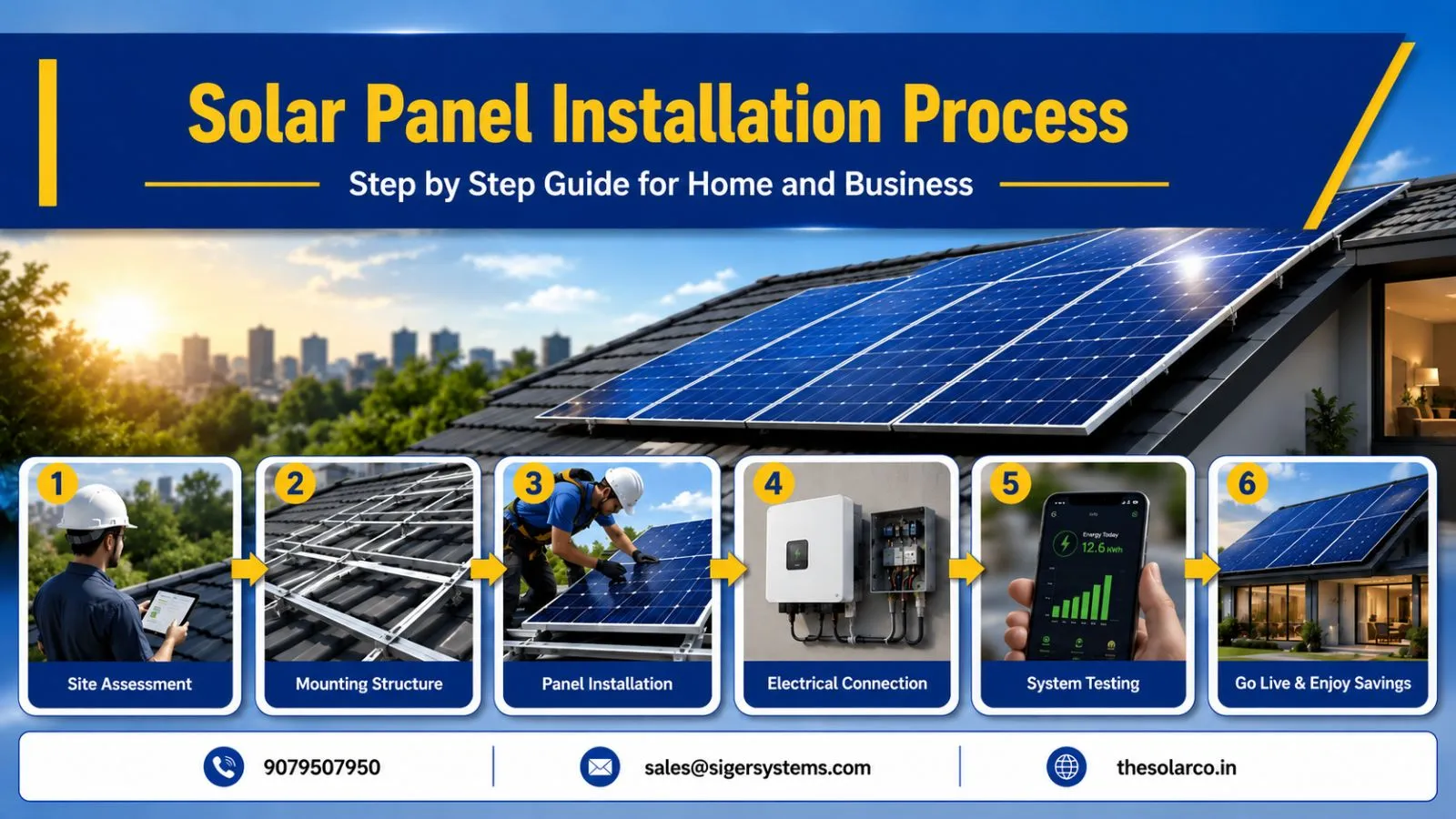
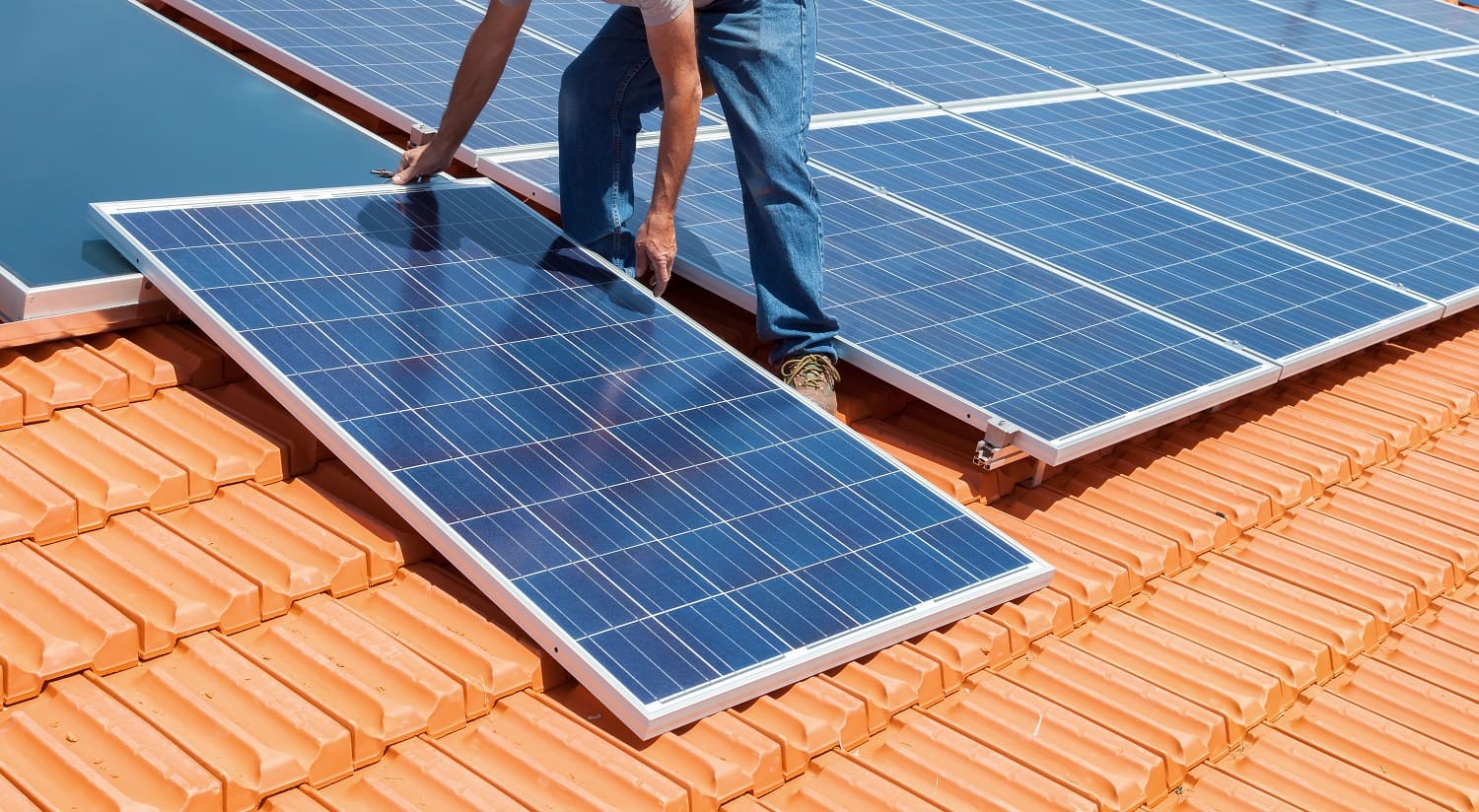
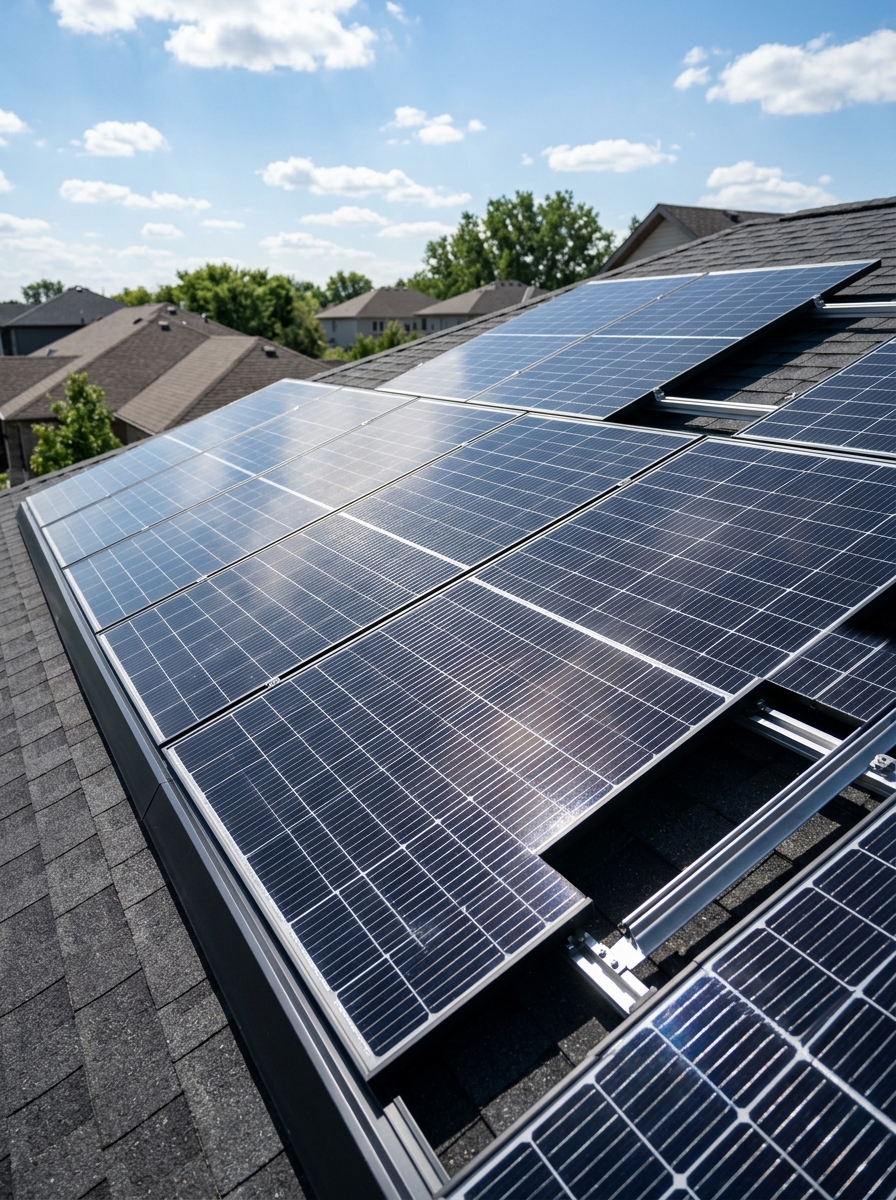
Poor installation can shorten the useful life of a solar system even when the panels themselves are high quality. Incorrect mounting, inadequate roof waterproofing, poor cable routing and unsuitable electrical connections can create problems over time.
Potential consequences include water ingress, corrosion, loose components, damaged cables and electrical faults. Inadequate structural design may also expose the installation to unnecessary stress during strong winds.
A qualified installer should assess the roof, select an appropriate mounting system, use suitable electrical protection and follow the equipment manufacturer’s installation instructions.
Owners should retain commissioning documents and installation records so that future inspections and warranty claims can be managed more effectively.
Maintenance, Shading and Component Condition
Solar panels generally require less routine maintenance than many conventional power systems, but low maintenance does not mean no maintenance.
Dust, bird droppings and other deposits can reduce the sunlight reaching the cells. New shading from growing trees or nearby structures can also affect output. Meanwhile, inverter faults, deteriorated cables or damaged connectors can reduce system performance even when the panels appear clean.
Regular monitoring and appropriate inspections help distinguish normal aging from issues that may require corrective action. Cleaning should be performed when necessary and according to manufacturer recommendations, rather than following an unnecessary fixed schedule.
How to Protect and Extend Solar System Life
Follow a Practical Inspection and Cleaning Routine
A sensible maintenance routine helps identify developing problems before they lead to significant damage or extended downtime.
Property owners can monitor generation, look for visible dirt and damage from a safe location, and check whether the monitoring application reports persistent faults. Cleaning frequency should reflect dust levels, rainfall, panel angle and the manufacturer’s instructions.
Avoid abrasive brushes, unapproved chemicals and unsafe rooftop access. Never walk on solar modules or attempt to repair electrical components without appropriate qualifications.
For a broader maintenance approach, the residential rooftop solar solutions page provides a starting point for understanding the importance of system design and long-term care.
Monitor Performance and Arrange Professional Maintenance
Performance monitoring helps owners understand whether the system is generating electricity as expected. Daily and monthly generation data can reveal unusual changes, especially when compared across similar weather and sunlight conditions.
If output declines unexpectedly, consider several possible causes before assuming the panels are reaching the end of their useful life. These can include shading, soiling, inverter faults, communication problems and electrical issues.
A qualified solar professional can inspect the installation, investigate persistent faults and recommend appropriate corrective work. Electrical testing, cable repairs and structural work should be handled by suitably qualified personnel.
For commercial systems, documented inspections and performance reports can help operators track recurring issues and manage maintenance expenditure.
Protect Panels From Physical Damage and Severe Weather
Preventive care begins with the installation itself. Mounting structures should be suitable for the roof and local weather conditions, while electrical components should be protected according to the system design.
After severe weather, inspect the installation visually from a safe location and check monitoring data for unusual changes. If a panel appears cracked or a cable looks damaged, avoid touching the affected equipment and arrange a professional assessment.
Do not place objects on panels or use them as a platform for rooftop activities. Keep trees and other potential sources of new shading under review, while ensuring that any roof or electrical work is carried out safely.
What Happens When Solar Panels Get Old?
When Should Solar Panels Be Repaired or Replaced?
Solar panels do not automatically stop working when their performance warranty expires. Older panels may continue generating useful electricity, so age alone is not a sufficient reason to replace an entire system.
Replacement decisions should consider actual generation, visible damage, repair costs, equipment availability and future energy requirements. If only the inverter or another component has failed, replacing that component may be more practical than replacing all the panels.
A professional assessment can help determine whether the system should continue operating, receive targeted repairs, be upgraded or be replaced.
Understanding the Lifespan of Other Solar Components
A solar installation includes more than panels. Inverters, monitoring equipment, cables, connectors and mounting structures have their own maintenance requirements and failure risks.
An inverter may require replacement before the panels reach the end of their useful life. The timing depends on the equipment, operating conditions, maintenance history and warranty coverage.
When planning long-term solar ownership, review the warranty and service arrangements for the complete system rather than focusing only on panel lifespan. Keep equipment specifications and service records so future repairs can be planned around the existing installation.
Responsible Recycling and End-of-Life Planning
When panels or other system components can no longer be used economically or safely, owners should consider responsible reuse, recycling or disposal options.
Solar panels contain materials such as glass and aluminium that can potentially be recovered through suitable recycling processes. The available options depend on the type of panel, local facilities, applicable regulations and manufacturer or installer programmes.
Before removing a system, ask the installer or relevant waste-management authority about appropriate handling and disposal. Damaged modules and electrical equipment should not simply be discarded with ordinary household waste without checking local requirements.
Planning for repairs, upgrades and eventual retirement is part of managing a solar installation throughout its life cycle.
Conclusion
Solar panel lifespan depends on manufacturing quality, installation practices, environmental exposure and maintenance. Modern panels commonly operate for 25 years or more, and many continue generating electricity beyond that period, although output gradually declines.
The most effective way to protect a solar investment is to choose suitable equipment, ensure professional installation, monitor electricity generation and address genuine maintenance problems promptly. In hot and dusty regions, site-specific cleaning and inspection can be particularly useful.
When a system becomes older, owners should evaluate its actual condition rather than replacing it solely because a warranty has expired. Repairing a component, upgrading an inverter or replacing selected panels may be appropriate in some cases, while a complete upgrade may make sense in others.
A practical long-term strategy combines quality equipment, proper installation, safe maintenance and informed replacement decisions. This helps property owners maintain useful solar generation and manage the value of their investment over time.