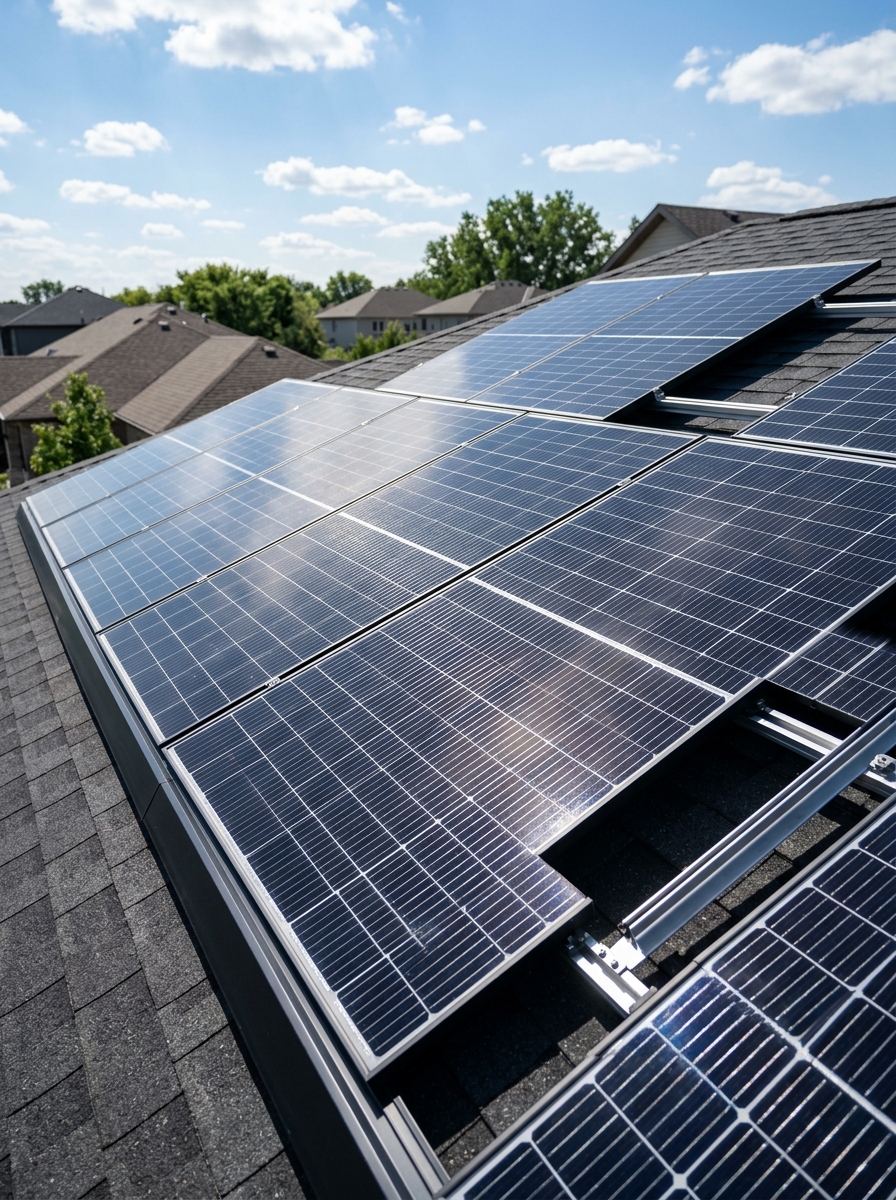
Solar panels are designed to operate for many years, making them a long-term component of a rooftop solar system. Modern photovoltaic panels can commonly remain operational for 25 years or more, although their electricity output gradually declines over time.
This gradual reduction is known as performance degradation. It does not mean that a solar panel suddenly stops working after a specific number of years. Instead, the panel’s ability to generate electricity slowly decreases.
The actual solar panel lifespan depends on several factors, including panel quality, manufacturing technology, installation practices, climate, maintenance, shading, moisture exposure, and operating conditions.
A high-quality system combined with proper installation and regular monitoring can help property owners maintain reliable solar generation for many years.
Average Lifespan of Modern Solar Panels
Most modern solar panels are designed for long-term operation, with many manufacturers offering product and performance warranties extending for decades.
A panel’s useful life should be understood in terms of both:
- Physical durability
- Electrical performance
Even after many years, panels may continue generating electricity, although their output can be lower than when they were newly installed.
The exact warranty terms vary by manufacturer and product. Therefore, buyers should review the specific product warranty instead of assuming that every solar panel has identical lifespan or performance guarantees.
For homeowners and businesses, selecting reliable panels from established manufacturers can be an important part of long-term solar planning.
Factors Affecting Solar Panel Durability
Several factors can influence how well solar panels perform over their operating life.
These include:
- Panel manufacturing quality
- Solar cell technology
- Installation quality
- Temperature exposure
- Humidity and moisture
- Dust and pollution
- Hail and severe weather
- Wind exposure
- Mounting structure quality
- Electrical system maintenance
Local environmental conditions also matter.
For example, rooftop solar systems installed in dusty regions may require more frequent cleaning and inspection than systems installed in relatively clean environments.
Understanding Performance Degradation Over Time
Solar panels gradually lose some generating capacity as they age.
This process is called degradation.
It can be influenced by long-term exposure to sunlight, temperature fluctuations, moisture, and other environmental conditions.
Importantly, degradation is gradual rather than an indication that a panel has reached an immediate end-of-life point.
When comparing solar panels, customers should examine the manufacturer’s performance warranty and degradation specifications.
A panel with a stronger long-term performance guarantee may provide greater confidence when evaluating the total value of a solar investment.
Reasons That Reduce Solar Panel Life
Although solar panels are designed for outdoor use, their performance can be affected by environmental conditions and installation quality.
Understanding common risks can help property owners take preventive measures.
Weather and Environmental Impact
Solar panels are continuously exposed to outdoor conditions.
Depending on the location, they may experience:
- Strong sunlight
- High temperatures
- Heavy rain
- Dust
- Humidity
- Strong winds
- Hail
- Temperature fluctuations
Extreme weather can put additional stress on panels, mounting structures, cables, and other system components.
In regions with high temperatures, thermal conditions can also influence solar generation. High operating temperatures can temporarily reduce panel output, while long-term environmental exposure contributes to normal aging.
Good-quality equipment and appropriate installation practices can help the system withstand typical local conditions.
Poor Installation Quality Effects
Installation quality has a major role in the long-term reliability of a solar system.
Incorrect mounting, poor cable management, inadequate waterproofing, or unsuitable electrical connections can create problems over time.
Potential issues can include:
- Water ingress
- Loose mounting components
- Cable damage
- Corrosion
- Electrical faults
- Structural stress
Professional installation helps ensure that panels, mounting structures, wiring, inverters, and other components are installed according to appropriate technical requirements.
This is particularly important because repairing an installation problem after panels have been operating for several years can be more complicated than addressing it during the original installation.
Lack of Regular Maintenance Issues
Solar panels generally require limited maintenance, but “low maintenance” does not mean “no maintenance.”
Dust, bird droppings, leaves, and other deposits can accumulate on panel surfaces and affect sunlight reaching the solar cells.
Other system components also require attention.
Periodic inspection can help identify:
- Physical damage
- Loose connections
- Cable problems
- Mounting issues
- Excessive dirt
- Unexpected generation changes
A maintenance schedule should be appropriate for the property’s location and system configuration.
How to Protect Solar Panels From Damage
Protecting a solar system begins with choosing suitable equipment and continues through installation, monitoring, and maintenance.
Preventing Dust, Moisture and Physical Damage
Dust accumulation is a common consideration for rooftop solar systems, particularly in areas with dry or dusty conditions.
Regular cleaning, when necessary, can help keep the panel surface clear.
However, cleaning should be performed safely and using appropriate methods. Abrasive materials or unsuitable chemicals may damage the panel surface.
Moisture protection is also important.
Properly installed mounting and electrical components should be designed to withstand outdoor conditions while cable connections and other electrical components should be protected appropriately.
Property owners should also avoid placing objects directly on panels or using the panels as a platform for rooftop activities.
Importance of Proper Installation Practices
The best protection begins before the system starts generating electricity.
A professional installer should assess:
- Roof condition
- Mounting requirements
- Panel positioning
- Cable routes
- Electrical connections
- Earthing
- Waterproofing
- Accessibility
Correct installation reduces the risk of preventable problems and supports long-term system reliability.
Mounting structures should also be appropriate for the roof type and local environmental conditions.
Protecting Panels From Extreme Conditions
Solar panels are engineered for outdoor environments, but severe weather can still cause damage.
Property owners should be aware of local risks such as:
- Hail
- High winds
- Heavy rainfall
- Extreme heat
- Dust storms
After severe weather, a visual inspection and performance check can help identify potential problems.
If a panel appears cracked or damaged, it should not be handled unnecessarily. A qualified solar professional should inspect the system.
Maintenance Practices to Increase Solar Panel Life
Regular maintenance can help identify problems early and support consistent system performance.
The maintenance requirements vary according to the equipment, environment, and installation type.
Regular Inspection and Cleaning
Cleaning frequency depends on the local environment.
A rooftop system in a dusty location may require more frequent cleaning than one in an area with regular rainfall.
During inspection, users can look for visible issues such as:
- Dirt accumulation
- Cracks
- Discoloration
- Physical damage
- Obstructions
- Loose components
Cleaning should follow the equipment manufacturer’s recommendations.
For larger commercial installations, scheduled professional inspections can be especially useful.
Monitoring System Performance
Performance monitoring is an effective way to understand whether a solar system is generating electricity as expected.
Monitoring platforms can provide information about:
- Daily generation
- Monthly generation
- System status
- Inverter performance
- Performance trends
- Alerts
A sudden and unexplained change in generation may indicate that further inspection is needed.
For example, if a system consistently generates less electricity than expected under comparable sunlight conditions, the owner can contact the solar service provider for evaluation.
Monitoring does not eliminate the need for physical maintenance, but it provides an additional way to identify unusual system behavior.
Checking Electrical Connections
Electrical components should be inspected by appropriately qualified professionals.
Loose, damaged, or deteriorated connections can affect system performance and create safety concerns.
Professional inspections may include checking:
- Cables
- Connectors
- Inverter connections
- Earthing
- Mounting-related wiring
- Electrical protection equipment
Property owners should avoid attempting electrical repairs themselves.
What Happens When Solar Panels Get Old?
Solar panels generally do not stop producing electricity simply because they have reached a certain age.
Instead, their output gradually decreases as part of normal degradation.
Understanding this process can help owners make better long-term decisions.
Changes in Energy Generation Capacity
As solar panels age, their electricity production may gradually decline.
The rate of degradation depends on the panel technology, manufacturing quality, environmental exposure, and other factors.
This means an older system may still generate useful electricity, even if its output is lower than when it was first installed.
Regular monitoring can help owners track long-term performance and identify whether changes are consistent with expected aging.
Replacement and Upgrade Options
When a solar system becomes significantly older or a component develops a problem, the owner can evaluate several options.
These may include:
- Continuing to operate the existing system
- Replacing individual damaged components
- Upgrading the inverter
- Replacing older panels
- Expanding system capacity
- Installing newer high-efficiency panels
The best option depends on system condition, energy requirements, available roof space, equipment compatibility, and project economics.
An older system should be professionally evaluated before deciding whether complete replacement is necessary.
Recycling and Disposal Considerations
Solar panels contain materials that can potentially be recovered and recycled.
When panels reach the end of their useful life, they should not simply be treated like ordinary household waste.
The appropriate recycling or disposal process depends on local regulations, available recycling facilities, manufacturer programs, and the type of equipment.
Solar owners planning a replacement should ask their installer or relevant local waste-management authority about responsible disposal options.
For homeowners and businesses in India, including locations such as Jaipur, choosing a professional solar company for installation and maintenance can help support better long-term system management.
Ultimately, extending solar panel lifespan is not about preventing normal aging. It is about reducing avoidable damage, maintaining equipment properly, monitoring performance, and addressing problems before they become larger issues.
A well-planned solar system combines quality equipment, appropriate installation, regular inspection, performance monitoring, and professional maintenance.
Final Thoughts
Understanding solar panel lifespan is important for anyone considering rooftop solar as a long-term energy investment. Modern panels are designed for decades of outdoor operation, but their performance naturally decreases over time. Environmental exposure, installation quality, maintenance, shading, dust, moisture, and electrical conditions can influence how well a system performs throughout its operating life. Regular inspection and performance monitoring can help identify unusual changes early and reduce avoidable losses.
The best approach to long-term solar performance begins with quality equipment and professional installation and continues with appropriate maintenance. Homeowners and businesses should monitor system generation, keep panels reasonably clean, inspect the installation periodically, and use qualified professionals for electrical or structural work. When equipment eventually becomes outdated, owners can compare repair, component replacement, system expansion, or complete upgrades. With proper planning and care, a rooftop solar system can remain a valuable source of clean electricity for many years.
Frequently Asked Questions About Solar Panel Lifespan
1. How long do solar panels typically last?
Modern solar panels are commonly designed to operate for 25 years or more. They generally continue generating electricity as they age, although their output gradually decreases due to normal performance degradation. Actual longevity depends on product quality, installation, climate, maintenance, and operating conditions.
2. Do solar panels stop working after 25 years?
No. Twenty-five years is not necessarily an automatic end-of-life point. Solar panels can continue producing electricity beyond this period, although their generation capacity may be lower than when they were new. Their condition and actual performance should be evaluated before deciding on replacement.
3. How can I extend the life of my solar panels?
Proper installation, periodic cleaning, regular inspections, performance monitoring, appropriate electrical maintenance, and quick attention to potential problems can help protect a solar system. Preventing physical damage and maintaining the mounting and electrical components is also important.
4. Does hot weather reduce solar panel lifespan?
High temperatures can affect solar panel performance because photovoltaic modules generally produce less power as their operating temperature rises. Long-term exposure to heat can also contribute to component aging. Proper panel selection, installation, ventilation, and system design can help manage environmental conditions.
5. When should old solar panels be replaced?
Replacement should be considered when panels have significant physical damage, substantially reduced performance, repeated failures, or when upgrading provides a worthwhile improvement. A professional inspection can determine whether repairing, replacing individual components, or upgrading the complete system is the most practical option.