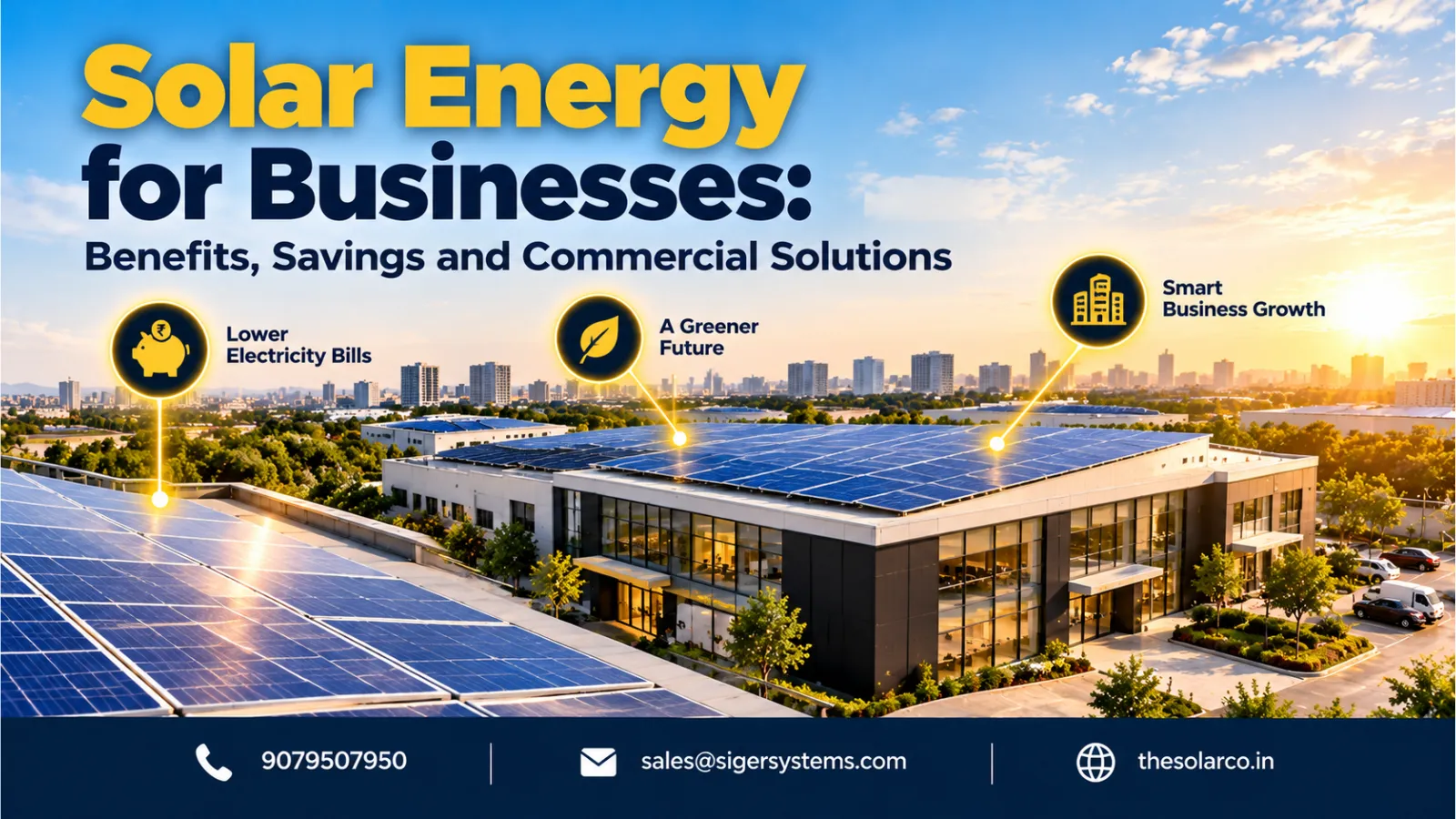
Solar energy is becoming a practical option for businesses looking to manage electricity expenses, improve energy efficiency, and strengthen their sustainability efforts. From manufacturing facilities and office buildings to retail stores and small enterprises, commercial solar systems can help organisations generate electricity on-site and reduce their reliance on conventional power sources.
With rising energy requirements and growing interest in renewable energy, businesses are evaluating solar power as a long-term investment. The right system depends on electricity consumption, available rooftop space, operating hours, and the organisation’s financial goals.
Why Businesses Are Choosing Solar Energy
Rising Importance of Renewable Energy Solutions
Businesses are increasingly exploring renewable energy to support long-term operational planning. Solar power is particularly relevant because many commercial properties have rooftops, parking areas, or other spaces that may be suitable for solar installations.
Installing solar panels allows a business to generate electricity from sunlight instead of sourcing all its power from the grid. This can be especially useful for organisations with significant daytime electricity demand, when solar generation is often at its highest.
Solar adoption can also support wider environmental objectives. Companies seeking to improve energy efficiency or meet internal sustainability targets may consider solar alongside other measures, such as efficient lighting, equipment upgrades, and energy monitoring.
Reducing Operational Electricity Expenses
Electricity is a recurring operating expense for many businesses. Manufacturing equipment, air conditioning, lighting, computers, refrigeration, and other systems can contribute to substantial monthly bills.
A commercial solar system can offset a portion of the electricity purchased from the grid. The potential financial benefit depends on system capacity, solar generation, electricity tariffs, consumption patterns, and applicable billing arrangements.
Businesses should evaluate these factors before estimating their returns. A properly sized system designed around actual electricity usage can help organisations make better investment decisions.
Improving Business Sustainability
Sustainability is increasingly relevant to customers, employees, investors, and business partners. Companies that take practical steps to manage energy use can demonstrate a commitment to responsible operations.
Solar power can contribute to these efforts by generating electricity without direct emissions during operation. Its overall environmental impact also depends on equipment manufacturing, transportation, installation, and eventual disposal.
Businesses can incorporate solar into a broader sustainability strategy that includes energy-efficient equipment, waste reduction, and responsible resource management.
Benefits of Commercial Solar Systems
Lower Energy Costs for Businesses
One of the main reasons businesses consider solar is the potential to reduce grid electricity purchases. Electricity generated by a rooftop solar system can supply suitable loads within the premises, helping offset energy consumption during periods of sunlight.
For example, offices operating primarily during the day may be able to use solar generation for computers, lighting, air conditioning, and other equipment. Industrial facilities can also use solar power to support daytime production loads, subject to system design and operational requirements.
Actual savings vary by location, system performance, electricity rates, and how much generated electricity the business consumes directly. Companies should compare installation costs with projected savings over the system’s expected operating life rather than relying on general savings estimates.
Businesses exploring commercial and institutional solar solutions can assess options suited to their facility size, operating requirements, and energy demand.
Better Control Over Electricity Consumption
A solar installation can help businesses understand and manage their energy use more effectively. When combined with monitoring systems, it can provide information about electricity generation, consumption patterns, and system performance.
These insights help facility managers identify whether solar generation aligns with operating hours and where additional efficiency improvements may be possible.
For businesses with predictable daytime demand, matching electricity usage with solar production can improve the value of the installation. Organisations with evening operations or continuous production may need to evaluate grid supply, storage options, and other energy management measures.
Solar does not automatically eliminate electricity bills. Fixed charges, demand charges, nighttime consumption, and other tariff components may continue to apply.
Supporting Corporate Green Initiatives
Many organisations are setting environmental targets as part of their corporate responsibility and long-term planning. Solar energy can be one practical measure within these initiatives.
Generating renewable electricity on-site can help reduce dependence on grid-supplied power and may lower electricity-related emissions, depending on the local grid mix and system performance.
Businesses can track solar generation and document relevant energy data to support internal sustainability reporting. However, environmental claims should be based on measured or appropriately calculated results rather than unsupported assumptions.
Solar Applications Across Different Industries
Manufacturing and Industrial Solar Solutions
Manufacturing facilities often have large rooftops and substantial electricity requirements. Solar installations may help supply part of the energy used by production equipment, ventilation systems, lighting, compressors, and other daytime loads.
The best system design depends on roof condition, structural capacity, available space, shading, electrical infrastructure, and operating schedules. Businesses should also consider whether production continues during weekends or seasonal periods when electricity demand may change.
For energy-intensive facilities, a detailed assessment can help determine how much solar capacity is practical and how the generated electricity can be used effectively.
Offices and Commercial Buildings
Office buildings use electricity for air conditioning, lighting, elevators, computers, servers, and shared facilities. Because many offices operate during daylight hours, rooftop solar may align well with their consumption patterns.
Commercial property owners should assess the usable roof area, building load, existing electrical systems, and maintenance access before installation. In multi-tenant properties, the distribution of solar benefits between the owner and occupants may also need consideration.
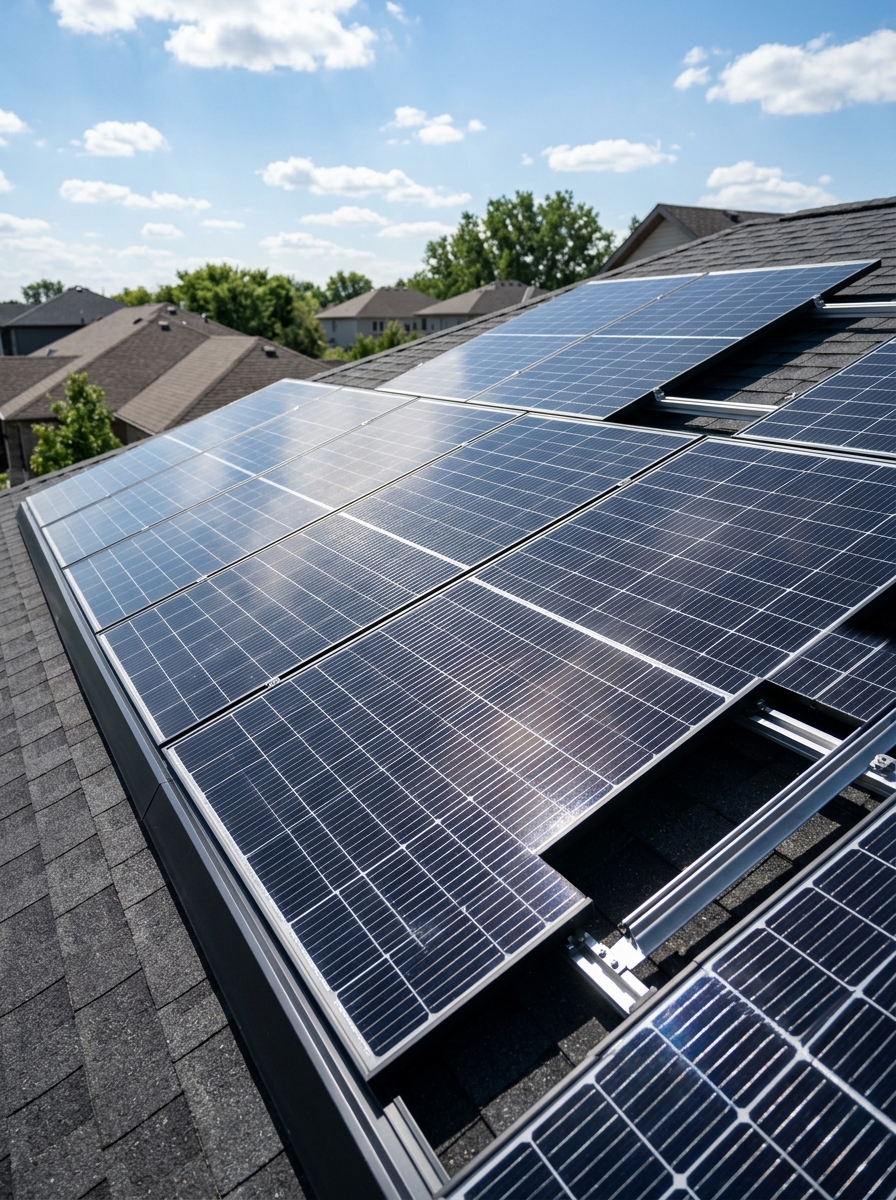
Businesses planning a rooftop project can explore residential and rooftop solar solutions to understand relevant system approaches, while confirming that the final design is appropriate for their commercial property.
Retail and Small Business Applications
Retail stores, showrooms, restaurants, warehouses, and small businesses may also benefit from solar power. Their electricity requirements can include lighting, air conditioning, refrigeration, billing systems, and other equipment.
A smaller business does not necessarily need a large installation to explore solar. The suitable capacity should reflect its actual consumption, usable installation area, budget, and operating hours.
For leased premises, businesses should confirm ownership permissions and clarify responsibility for installation, maintenance, and the benefits of electricity generated. These practical details can influence whether a project is financially and operationally suitable.
Factors to Consider Before Installing Business Solar
Energy Consumption Analysis
The first step is to review electricity bills and consumption data. Businesses should examine monthly usage, tariff structure, demand charges where applicable, and differences between peak and off-peak periods.
Operating schedules are equally important. A facility that uses most of its electricity during daylight hours may be able to consume a larger share of its solar generation directly than a business with heavy nighttime demand.
An energy assessment helps establish realistic expectations for system capacity, potential savings, and project payback. It can also identify opportunities to reduce consumption before investing in generation equipment.
Available Installation Space
Rooftop space is a major consideration for commercial solar projects. However, the total roof area is not the same as the usable installation area. Water tanks, HVAC equipment, access pathways, shading, and maintenance requirements can reduce the space available for panels.
The roof must also be assessed for structural suitability, waterproofing, and condition. If repairs are needed, completing them before installation can help avoid future disruption.
Where rooftop installation is unsuitable, businesses may investigate other options, such as suitable ground-mounted areas or solar carports, depending on site conditions and project feasibility.
Choosing Suitable Solar Capacity
Solar capacity should be selected based on electricity demand, available space, budget, and expected generation. Installing a larger system is not always the best choice if the business cannot use or appropriately export much of the electricity produced.
A professional assessment should consider panel layout, inverter selection, shading, electrical safety, monitoring, and future expansion plans. Businesses should also review equipment warranties, installation quality, maintenance arrangements, and applicable local requirements.
Comparing complete proposals rather than headline prices can help decision-makers evaluate system performance, service support, and long-term value. Solar products and system components can help businesses understand the equipment involved before finalising their project specifications.
Long-Term Business Advantages of Solar
Improving Financial Performance
Solar can contribute to long-term financial planning by reducing some electricity purchases and making part of the business’s energy supply more predictable. However, financial performance depends on the initial investment, system output, maintenance, electricity tariffs, and the proportion of generated power used on-site.
Businesses should compare the total project cost with realistic estimates of annual savings and evaluate the expected payback period. Financing terms, tax treatment, depreciation rules, and incentives should be checked with qualified advisers or relevant authorities before being included in financial projections.
A carefully evaluated installation can help organisations make a more informed decision about allocating capital to energy infrastructure.
Reducing Dependence on Grid Electricity
Generating electricity on-site reduces the amount of power a business may need to purchase from the grid during solar production hours. This can be valuable for facilities with consistent daytime consumption.
However, standard grid-connected solar systems generally shut down during a grid outage unless they are specifically designed with suitable backup equipment. Businesses that require power during outages should assess battery storage, hybrid inverters, and backup configurations based on essential loads and required backup duration.
Understanding these differences helps organisations choose a system that meets both their energy-cost objectives and operational needs.
Building a Sustainable Business Image
Investing in solar can demonstrate that a business is taking measurable steps to manage energy consumption and environmental impact. This may support communication with customers, employees, suppliers, and other stakeholders who value responsible business practices.
The strongest sustainability messaging is supported by evidence. Businesses can record system generation, monitor electricity consumption, and report progress against clearly defined environmental goals.
Solar should be viewed as part of a wider operational strategy rather than a substitute for all sustainability measures. Combined with energy efficiency and responsible resource management, it can support a more resilient and environmentally conscious business.
For organisations considering the transition, the next step is to review electricity usage, assess the installation site, and compare technically suitable proposals. With realistic financial projections and a system designed around actual operating needs, commercial solar can become a valuable long-term part of a business’s energy strategy.