
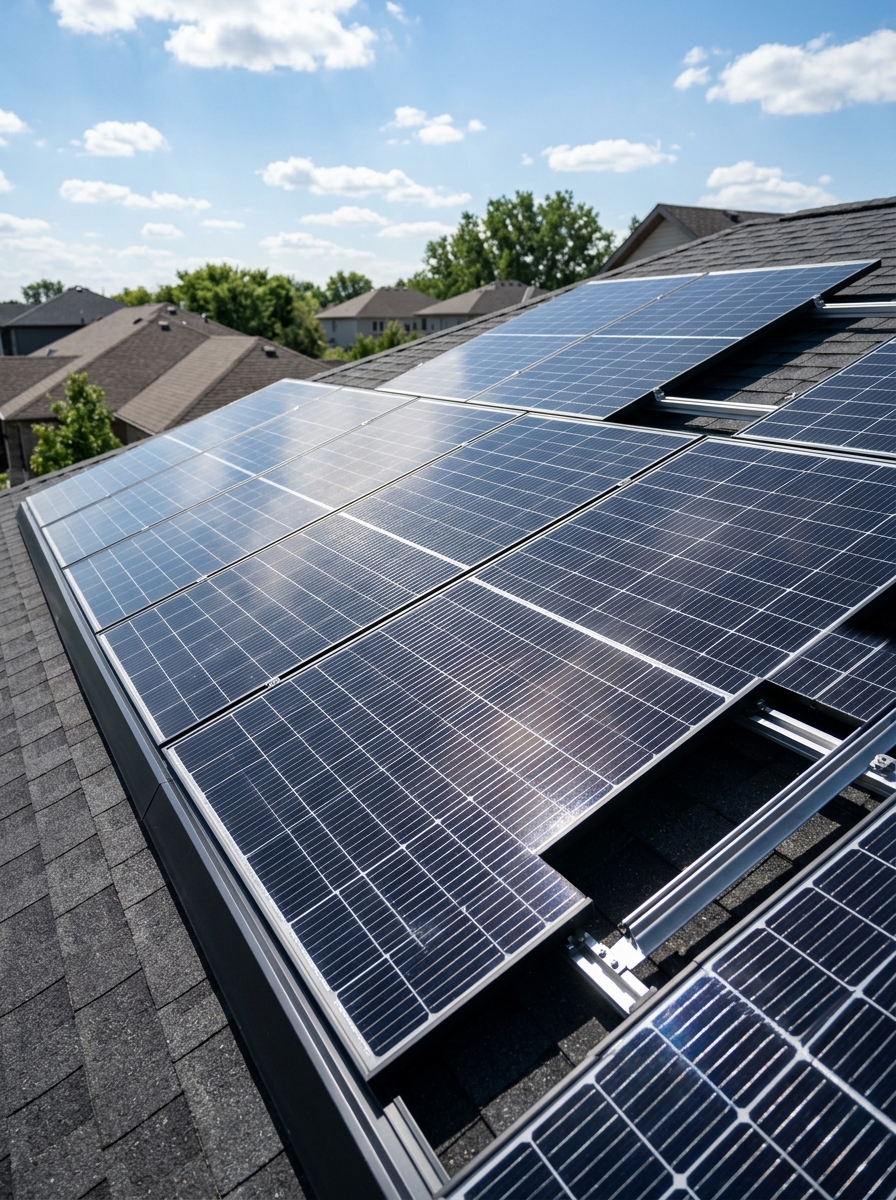

Climate change has made reducing carbon emissions an important priority for governments, businesses and households worldwide. One of the most effective ways to address emissions from electricity generation is to transition from fossil fuels towards cleaner energy sources. Solar energy plays a significant role in this transition by converting sunlight into electricity without directly releasing carbon dioxide during operation.
As solar technology becomes more accessible, homeowners and businesses can generate electricity on-site, reduce their reliance on conventional grid power and potentially lower their environmental impact. The benefits depend on the local electricity mix, solar system performance, equipment quality and how effectively the generated electricity is used.
Understanding the relationship between solar energy and carbon emissions helps individuals and organisations make informed energy decisions. From residential rooftops to large commercial installations, solar power can support a cleaner electricity supply while offering potential long-term financial benefits.
Understanding Carbon Emissions and the Role of Solar Energy
How Carbon Emissions Contribute to Climate Change
Carbon dioxide (CO₂) is a greenhouse gas that traps heat in the Earth’s atmosphere. Human activities, particularly burning coal, oil and natural gas, increase greenhouse gas concentrations and contribute to global warming. Electricity generation is an important source of these emissions in countries that depend heavily on fossil fuels.
When conventional power stations burn fossil fuels to produce electricity, they release CO₂ and other pollutants. The environmental impact extends beyond climate change to include air pollution, resource consumption and the environmental effects associated with fuel extraction and transportation.
Reducing emissions therefore requires changes in how electricity is generated and consumed. Improving energy efficiency is one part of the solution, while replacing fossil-fuel-based electricity with renewable sources is another.
Solar energy offers a practical way to support this transition. Instead of burning fuel, photovoltaic (PV) panels use sunlight to generate electricity. The system can then supply homes, offices, factories and other facilities with clean electricity during periods of solar generation.
Why Solar Energy Helps Reduce Carbon Emissions
Solar power can reduce emissions when its electricity replaces power that would otherwise come from carbon-intensive sources. A rooftop system, for example, may supply electricity to lighting, air conditioning, computers, pumps and other appliances during daylight hours. This can reduce the amount of electricity a property needs to draw from the grid.
The scale of the environmental benefit depends on several factors:
- Electricity generation: The amount of electricity produced by the solar system over its lifetime.
- Grid electricity mix: The emissions associated with the electricity that solar power replaces.
- System lifespan: How long the equipment continues to generate electricity effectively.
- Installation quality: Whether the system performs close to its expected output.
- Equipment manufacturing: The emissions associated with producing and transporting solar components.
Solar panels do have an environmental footprint during manufacturing, transportation and installation. However, their operational phase generates electricity without direct combustion emissions. Over a suitable operating lifetime, a well-designed solar system can offset the emissions associated with its production and installation.
How Solar Panels Reduce Emissions in Homes and Businesses
Replacing Conventional Electricity with Solar Power
One of the main ways solar panels reduce emissions is by supplying electricity that would otherwise be obtained from the grid. In regions where coal-fired power generation contributes substantially to electricity supply, solar generation can help displace some fossil-fuel-based electricity.
The amount of CO₂ avoided is not identical for every installation. A system’s output varies with sunlight, orientation, shading, temperature, maintenance and equipment performance. The emissions benefit also depends on the power sources operating on the grid when solar electricity is generated.
For example, a commercial building that uses solar power to operate air conditioning and office equipment during the day may reduce its grid electricity consumption. A household with significant daytime electricity use can achieve a similar benefit.
Solar energy can also help organisations measure and improve their environmental performance. By tracking electricity consumption and solar generation, businesses can identify opportunities to improve energy efficiency and reduce their operational carbon footprint.
For organisations planning a transition to cleaner electricity, commercial and institutional solar solutions can form part of a wider energy-management strategy.
The Importance of Solar System Efficiency and Energy Monitoring
Generating solar electricity is only part of the process. Using that electricity efficiently helps maximise its environmental and financial value.
High-quality solar panels, suitable inverters, correctly designed mounting structures and professional installation can help a system perform reliably. However, no single panel brand guarantees the greatest emissions reduction for every property. Buyers should compare documented specifications, product warranties, expected energy generation and after-sales support.
Energy monitoring can also help homeowners and businesses understand when electricity is being generated and consumed. Depending on the system configuration, monitoring tools and compatible meters can display solar production, grid imports and exported electricity.
This information can support practical changes, such as operating selected appliances during peak solar-generation hours. Businesses may use monitoring data to identify unusual consumption patterns, while households can better understand how their usage affects solar self-consumption.
Smart meters do not independently eliminate emissions. Their value comes from providing useful information that enables better energy decisions. When monitoring is combined with efficient equipment and appropriate system design, solar electricity can be used more effectively.
Environmental and Economic Benefits of Solar Energy
Reducing Pollution While Supporting Long-Term Savings
The benefits of solar energy extend beyond reducing carbon emissions. Because photovoltaic systems generate electricity without burning fuel during operation, they avoid the direct combustion-related air pollution associated with conventional power generation.
Solar electricity also generally requires less water during operation than conventional thermal power stations that rely on substantial cooling processes. This can be an important consideration in water-stressed regions, including parts of Rajasthan.
From a financial perspective, solar installations can reduce the amount of electricity purchased from the grid. The actual savings depend on installation costs, system capacity, electricity tariffs, maintenance expenses, financing arrangements and applicable export-credit rules.
A realistic assessment should consider the expected electricity generation over the system’s lifetime rather than focusing only on the initial purchase price. Equipment warranties, inverter replacement requirements, cleaning and maintenance should also be included when evaluating the long-term economics.
Solar energy can additionally support demand for skilled installation, electrical services, monitoring and maintenance. As adoption grows, these activities can contribute to the development of the renewable energy sector.
Challenges and Considerations for Sustainable Solar Adoption
Although solar energy offers important advantages, its benefits depend on appropriate planning. Upfront installation costs can be a barrier for some households and businesses. Financing, available roof space, shading, structural suitability and local electricity regulations can also influence whether a project is practical.
Solar generation is variable because it depends on sunlight and weather conditions. Grid-connected systems typically continue to rely on grid electricity when solar output is insufficient. Battery storage can provide additional flexibility, but it introduces further costs and has its own manufacturing and environmental footprint.
Responsible equipment selection and end-of-life planning are also important. Solar panels, inverters and batteries eventually require replacement or disposal. Recycling and appropriate waste-management practices can help recover materials and reduce the environmental impact of discarded equipment.
Businesses should assess their energy requirements, operating schedules and available installation area before selecting a system. Households should similarly compare expected generation with actual electricity consumption. A correctly sized installation is generally more useful than choosing capacity without considering the property’s needs.
The Future of Solar Energy and Carbon Reduction in India
Expanding Renewable Energy Adoption Across India
India has substantial potential for solar power because many regions receive abundant sunlight throughout the year. Residential rooftops, commercial buildings, factories and educational institutions can all contribute to distributed electricity generation.
Solar adoption can be particularly relevant in sunny locations such as Jaipur and other parts of Rajasthan. Nevertheless, local conditions still matter. Dust accumulation, seasonal weather, shading and installation quality can affect system output, making suitable design and maintenance essential.
Government initiatives, renewable energy investments and improvements in solar technology are helping expand the role of solar power in India’s electricity mix. The broader impact will depend on continued deployment, grid integration, appropriate regulations and effective management of electricity demand.
Solar energy can also complement other clean-energy technologies. When combined with energy-efficient appliances, suitable storage and smart energy management, solar systems can help properties use electricity more strategically.
Building a Lower-Carbon Future Through Better Energy Decisions
The next stage of solar adoption will involve more than installing panels. Better monitoring, efficient equipment, battery storage and electric vehicle charging may help households and businesses manage energy use more effectively.
For example, a commercial facility could schedule certain operations during periods of strong solar generation. A homeowner might use daytime solar electricity for appliances or compatible vehicle charging. These approaches can improve the use of generated electricity, although the benefits depend on the equipment and operating arrangements.
Organisations seeking to reduce their carbon footprint should also measure their electricity consumption and establish a baseline before making improvements. Tracking solar generation and grid electricity use over time helps demonstrate whether the system is delivering its expected results.
Ultimately, solar energy is one part of a wider climate solution that also includes energy efficiency, cleaner transport, responsible manufacturing and improved electricity infrastructure. When adopted with realistic expectations and proper planning, it can help reduce emissions while supporting more sustainable energy use.
Conclusion
Solar energy plays an important role in reducing carbon emissions by generating electricity without direct combustion emissions during operation. When solar power replaces electricity from fossil-fuel-based sources, it can lower the carbon intensity of energy use in homes, commercial buildings and industrial facilities.
Its overall impact depends on system performance, the electricity being displaced, equipment manufacturing and the installation’s operating lifetime. Efficient equipment, appropriate system sizing, regular maintenance and energy monitoring can help improve both environmental and financial outcomes.
For households and businesses in India, solar power offers an opportunity to support cleaner electricity generation while potentially reducing grid consumption and long-term energy expenses. By combining solar adoption with responsible energy management, users can contribute to a lower-carbon future and make more informed decisions about their energy needs.