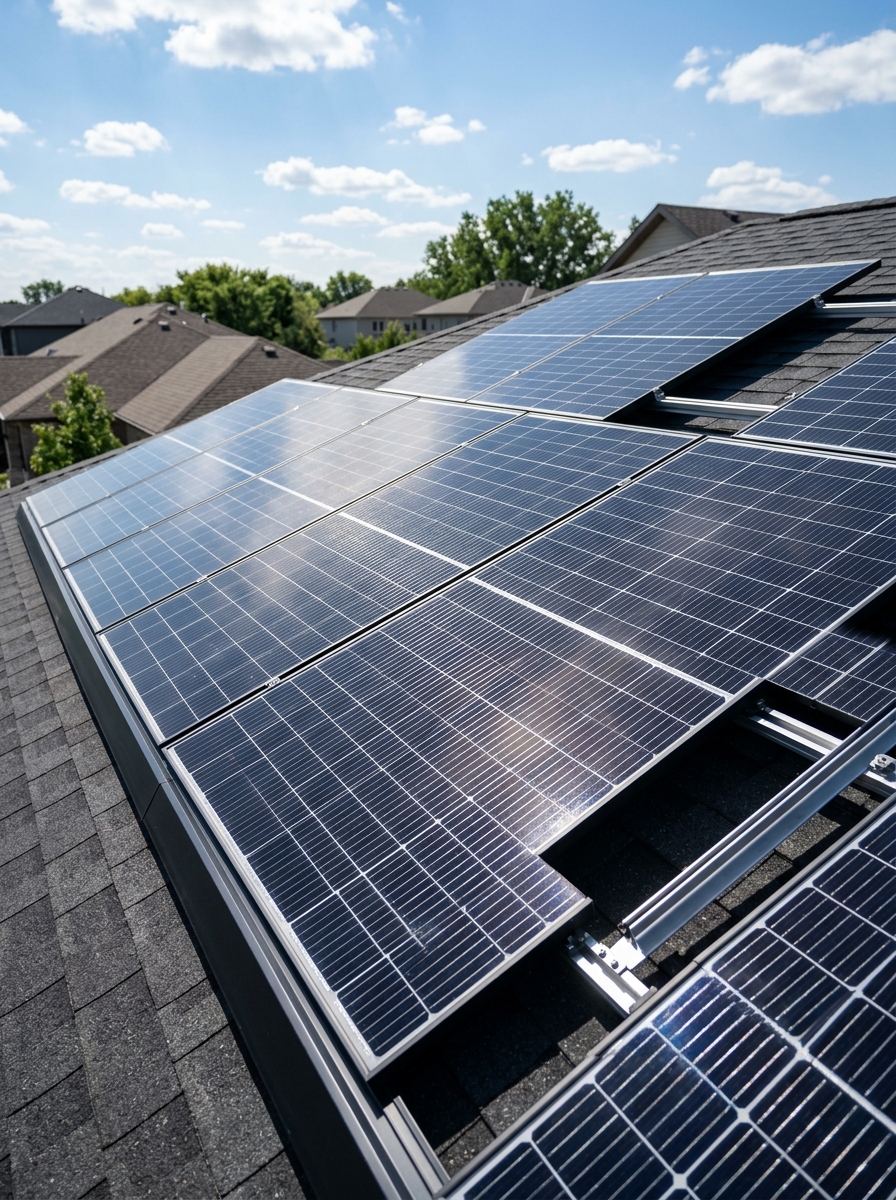
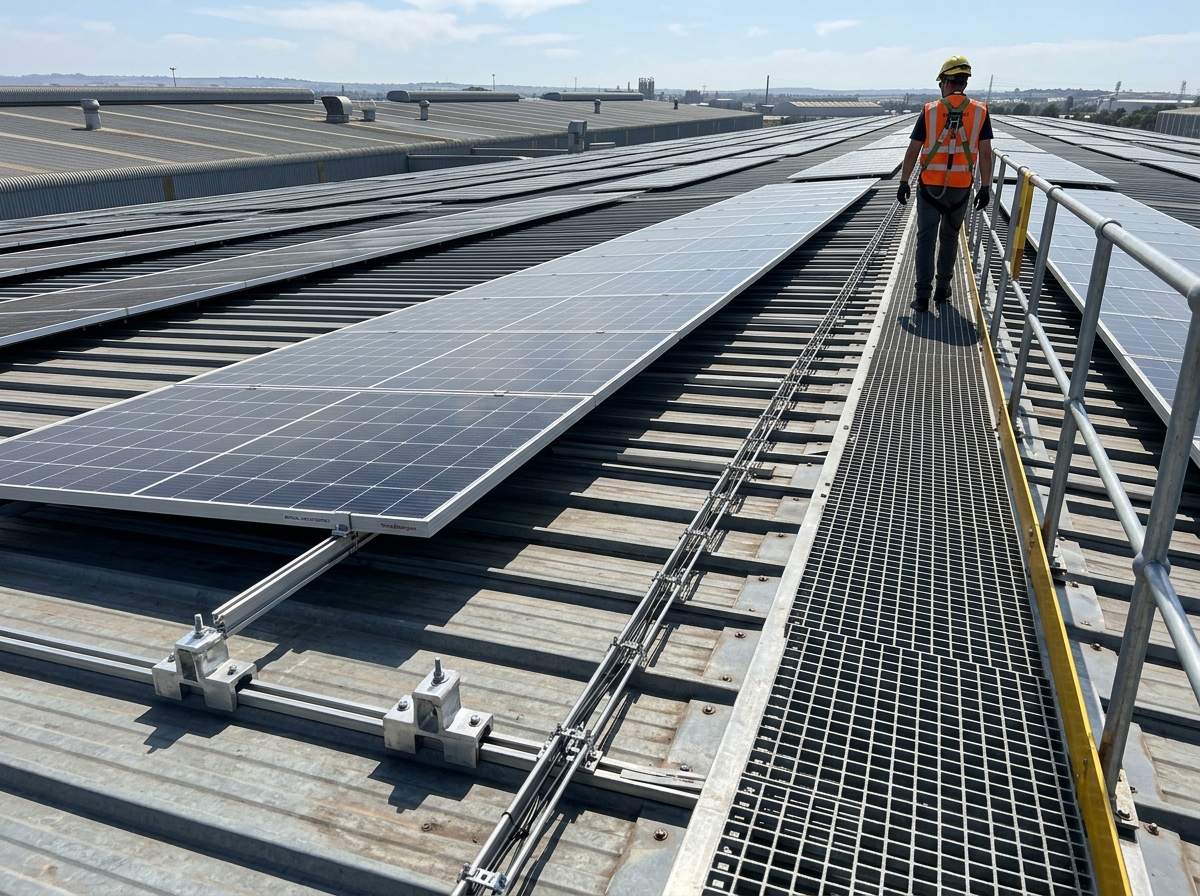
A solar photovoltaic system is made up of several components that work together to convert sunlight into usable electricity. While solar panels are the most visible part of an installation, they are only one element of a complete solar power system. The inverter, mounting structure, cables, protection devices, monitoring equipment, and safety components all play important roles in system performance and reliability.
Understanding solar PV system components is useful for homeowners, businesses, and anyone planning to invest in solar energy. Selecting the right equipment can influence electricity generation, system efficiency, safety, maintenance requirements, and long-term operating costs.
For example, two solar installations may have similar panel capacities but deliver different results because of differences in inverter quality, shading, cable losses, system design, or installation practices.
This guide explains the main components used in solar PV systems, how they work together, what to consider when selecting equipment, and why proper component selection matters for long-term solar performance.
Understanding Solar PV System and Its Components
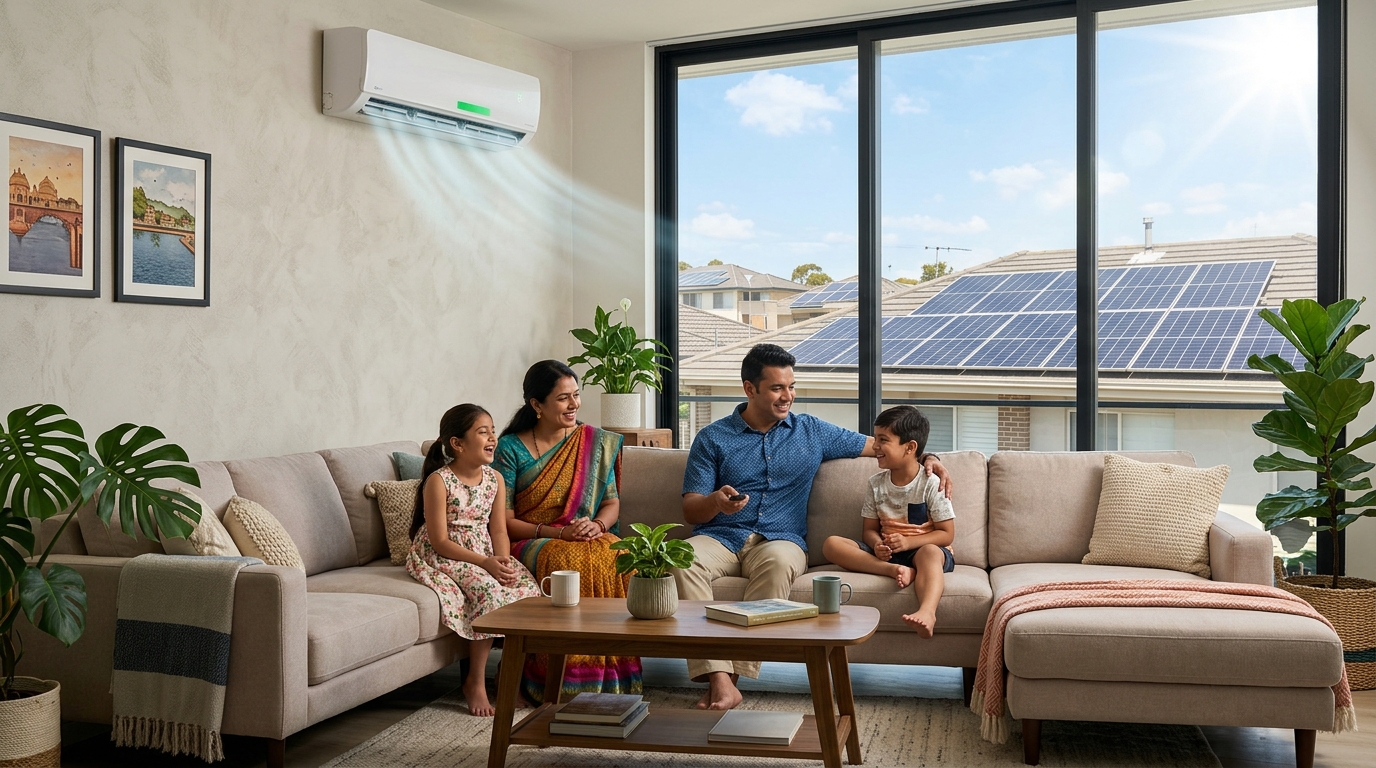
A solar photovoltaic system generates electricity by converting sunlight into electrical energy. The system can be designed for different applications, including residential rooftops, commercial buildings, industrial facilities, and large utility-scale solar projects.
A typical grid-connected rooftop solar system includes solar modules, an inverter, mounting structures, electrical cables, protection devices, and monitoring equipment.
The exact components depend on the type of system.
For example:
- Grid-connected solar systems are connected to the electricity grid.
- Off-grid systems operate independently and generally require batteries.
- Hybrid systems combine solar, battery storage, and grid electricity.
Each configuration requires different equipment and design considerations.
Basic Working of a Solar PV System
Solar panels contain photovoltaic cells that convert sunlight into direct current electricity, commonly called DC power.
The electricity generated by the panels is then sent to an inverter.
The inverter converts DC electricity into alternating current, or AC electricity, which can be used by household or business appliances.
In a typical grid-connected system, electricity flows through several stages:
Sunlight → Solar Panels → DC Electricity → Inverter → AC Electricity → Electrical Loads
If the solar system generates more electricity than the property consumes, the surplus may be exported to the grid, depending on the applicable electricity regulations and metering arrangement.
If solar generation is insufficient, electricity can be drawn from the grid.
In hybrid systems, surplus electricity may also be stored in batteries for later use.
Importance of Each Component in Power Generation
Every component has a specific role in the overall system.
Solar panels generate electricity, but the inverter determines how that electricity is converted and managed. Mounting structures position the panels, while cables transport electrical energy between different components.
Protection devices help reduce electrical risks, while monitoring systems provide information about system performance.
A problem with one component can affect the entire installation.
For example, high-quality solar panels may not deliver expected performance if they are installed incorrectly or connected to an unsuitable inverter.
This is why solar system design should consider the complete system rather than individual products in isolation.
How Different Parts Work Together
The components of a solar PV system are interconnected.
Solar modules generate DC electricity, which is transferred through solar cables to the inverter. The inverter converts the electricity into AC power for use by electrical loads.
Protection equipment is installed at appropriate points to help protect the system from electrical faults and surges.
Mounting structures provide mechanical support for the panels and help maintain the required orientation and tilt.
Monitoring systems collect performance data from the inverter and other equipment, allowing users to track electricity generation and identify potential problems.
When these components are correctly matched and installed, the system can operate efficiently and safely.
Major Components Used in Solar PV Systems
The major components of a solar installation determine how electricity is generated, converted, and delivered.
Although system configurations vary, solar modules, inverters, mounting structures, and electrical equipment form the core of most installations.
Solar Modules and Their Function
Solar modules, commonly called solar panels, are responsible for converting sunlight into electricity.
A module consists of multiple photovoltaic cells connected together and protected by materials designed for outdoor use.
When sunlight reaches the photovoltaic cells, they generate DC electricity through the photovoltaic effect.
When selecting solar modules, users may consider:
- Rated power output
- Module efficiency
- Physical dimensions
- Temperature performance
- Product warranty
- Performance warranty
- Degradation rate
- Manufacturer reputation
Higher efficiency can be particularly valuable when rooftop space is limited.
For example, a homeowner with a small rooftop may prefer higher-efficiency modules to maximise electricity generation from the available area.
However, efficiency should not be the only selection factor. Product quality, warranty terms, degradation characteristics, and supplier support are also important.
Solar Inverter and Power Conversion Process
The inverter is one of the most important electrical components in a solar PV system.
Solar panels generate DC electricity, while most household and commercial appliances operate using AC electricity.
The inverter performs the conversion between these electrical forms.
Modern inverters may also provide:
- System monitoring
- Grid synchronisation
- Fault detection
- Safety functions
- Energy management
- Battery integration
Different inverter types are suitable for different applications.
String inverters are commonly used in residential and commercial installations. Microinverters are installed at the individual panel level and can be useful for certain rooftop designs.
Hybrid inverters can manage solar generation, battery storage, and grid electricity.
The correct choice depends on the system size, shading conditions, rooftop layout, backup requirements, and future expansion plans.
Mounting Structure and Electrical Components
Mounting structures secure solar panels to the roof or ground and maintain their required orientation.
The structure should be selected according to the installation environment.
Important considerations include:
- Roof type
- Wind conditions
- Panel dimensions
- Structural strength
- Corrosion resistance
- Installation angle
- Maintenance access
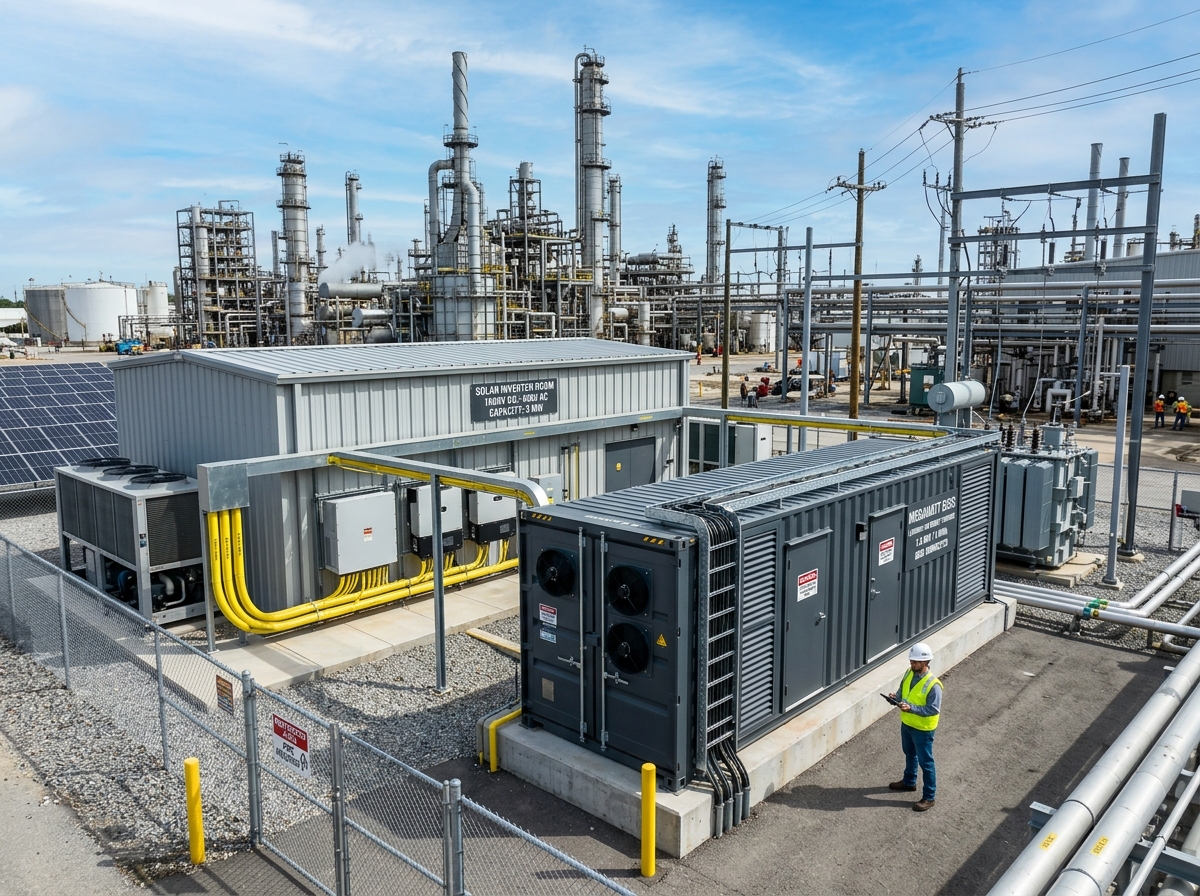
Electrical components include equipment used to safely connect and protect different parts of the solar installation.
Depending on system design, these may include:
- Distribution boards
- Isolators
- Junction boxes
- Surge protection devices
- Earthing equipment
- Circuit protection devices
These components help ensure that electricity flows safely through the system and that equipment is protected against relevant electrical hazards.
Supporting Components of Solar PV Installation
In addition to the primary equipment, several supporting components are essential for safe and reliable solar system operation.
These components may not generate electricity directly, but they contribute significantly to system performance and safety.
Solar Cables and Protection Devices
Solar cables are designed to transport DC electricity between solar modules and other system components.
They must be suitable for outdoor conditions and able to withstand exposure to sunlight, temperature changes, and environmental conditions.
Poor-quality or incorrectly sized cables can increase electrical losses and create safety concerns.
Protection devices may include:
- DC isolators
- AC isolators
- Surge protection devices
- Fuses
- Circuit breakers
- Earthing systems
The exact equipment depends on system configuration and applicable electrical standards.
Correct installation and cable management are important for reducing potential risks and maintaining long-term system reliability.
Monitoring Systems for Performance Tracking
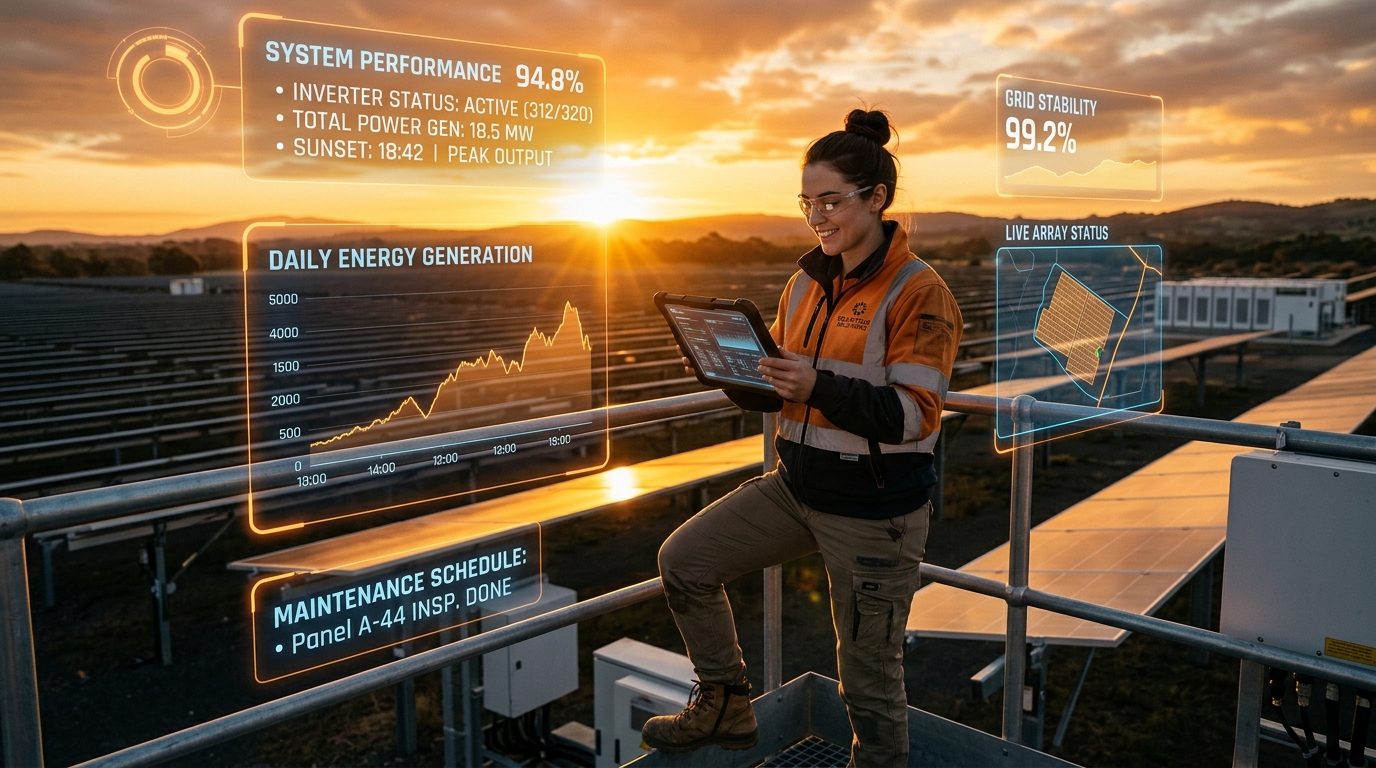
Solar monitoring systems allow users to understand how their installation is performing.
Depending on the system, monitoring platforms may display:
- Real-time power generation
- Daily electricity production
- Monthly generation
- Historical performance
- System alerts
- Inverter status
Many modern inverters offer mobile applications or web-based monitoring platforms.
Monitoring is useful because it can help identify performance changes.
For example, if a solar system suddenly produces significantly less electricity than usual under similar weather conditions, the data may indicate a possible issue that requires investigation.
Early identification of performance problems can help reduce extended periods of energy loss.
Safety Equipment Used in Solar Systems
Safety equipment is essential because solar systems involve electrical energy and are exposed to outdoor environmental conditions.
A properly designed installation may include:
- Earthing and bonding
- Surge protection
- Electrical isolation devices
- Appropriate circuit protection
- Warning labels
- Safe cable routing
The mounting structure should also be securely installed and suitable for the roof or ground conditions.
Installers should follow applicable electrical and safety standards when designing and installing the system.
Homeowners should also ensure that maintenance activities are carried out by qualified professionals.
How to Select Quality Solar PV Components
Choosing solar equipment based only on the lowest purchase price can create long-term problems.
A complete evaluation should consider quality, reliability, compatibility, warranties, certifications, and supplier support.
Checking Product Quality and Reliability
Product quality can affect system performance and operating life.
When evaluating solar components, consider:
- Manufacturer reputation
- Product specifications
- Independent testing
- Warranty terms
- Performance history
- Availability of technical support
For solar panels, users should review both product and performance warranties.
For inverters, warranty duration, service availability, and replacement procedures can be particularly important.
A reliable supplier should also provide clear documentation and technical specifications.
Importance of Certifications and Warranty
Certifications can indicate that products have been tested against relevant technical or safety requirements.
The exact certifications required depend on the product and market.
Homeowners should verify that the equipment complies with applicable Indian standards and requirements.
Warranty terms should also be carefully reviewed.
Important questions include:
- How long is the warranty?
- What does it cover?
- Who handles warranty claims?
- Is local service available?
- Are labour costs covered?
- What happens if a component needs replacement?
A longer warranty can be valuable, but the terms and service network should also be considered.
Matching Components With System Requirements
Components should be compatible with one another and appropriately sized.
For example, the inverter should be suitable for the solar array and electrical connection.
The mounting structure should match the roof type and panel dimensions.
Cables should be correctly rated for the expected electrical current and environmental conditions.
The system should also account for future requirements.
A homeowner planning to add battery storage or an electric vehicle may want to consider future integration during the initial design stage.
Proper compatibility planning can prevent expensive modifications later.
Importance of Proper Solar PV Component Selection
Selecting appropriate components can influence the overall performance, reliability, and economics of a solar PV system.
The cheapest equipment is not necessarily the most cost-effective option over the system’s operating life.
A balanced approach considers both initial investment and long-term value.
Improving System Performance and Efficiency
High-quality components can contribute to efficient energy generation and conversion.
For example, efficient solar modules can maximise generation when rooftop space is limited, while a suitable inverter can effectively convert and manage the electricity generated by the panels.
Proper cable sizing can also reduce unnecessary electrical losses.
System design is equally important.
Even high-quality components may underperform if panels are heavily shaded, incorrectly positioned, or poorly maintained.
Therefore, component quality and professional installation should be considered together.
Increasing Solar System Lifespan
Solar installations are long-term investments.
Solar panels are generally designed to operate for decades, while inverters and other electrical components may have different expected service lives.
Using durable equipment and following proper installation practices can help reduce premature failures.
Regular inspection can also identify issues such as:
- Loose connections
- Cable damage
- Corrosion
- Physical panel damage
- Inverter faults
Early maintenance can prevent small problems from becoming more expensive failures.
Reducing Maintenance and Replacement Costs
Reliable components may require fewer repairs and replacements during the system’s operating life.
However, maintenance requirements vary by system type and environment.
For example, rooftop systems in dusty areas may require more frequent panel cleaning than installations in locations with regular rainfall.
A well-designed system should allow reasonable access to components that may need inspection or replacement.
Choosing reliable equipment, maintaining proper documentation, and working with an experienced installation partner can make future maintenance easier.
The overall objective should be to achieve a balance between upfront cost, performance, reliability, and long-term operating expenses.
Conclusion
Solar PV systems are made up of multiple components that work together to generate, convert, distribute, monitor, and protect electrical energy. Solar panels may receive the most attention, but the inverter, mounting structure, cables, protection devices, and monitoring systems are equally important to the overall installation.
Selecting the right solar PV system components requires more than comparing prices. Homeowners and businesses should consider product quality, system compatibility, certifications, warranty coverage, service availability, and long-term performance.
The correct combination of components can improve energy generation, support system safety, and reduce avoidable maintenance issues. A professionally designed installation should account for the property’s electricity requirements, rooftop conditions, environmental factors, and future energy needs.
Users should also consider the complete lifecycle of the system. A slightly lower initial cost may not always provide the best long-term value if equipment has limited warranties or poor service support.
Before installing a solar PV system, it is advisable to compare detailed technical proposals and understand exactly which components are included. Working with an experienced solar professional can help ensure that the equipment is correctly selected, installed, and commissioned.
A well-designed solar installation with suitable components can provide reliable clean electricity for many years while helping homeowners and businesses make better use of available solar energy.
Frequently Asked Questions About Solar PV System Components
1. What are the main components of a solar PV system?
The main components generally include solar panels, an inverter, mounting structures, solar cables, electrical protection devices, and monitoring equipment. Battery storage may also be included in hybrid or off-grid systems.
2. What is the most important component in a solar PV system?
Solar panels and the inverter are both critical. Panels generate electricity, while the inverter converts and manages that electricity for use. However, the complete system also depends on proper mounting, cabling, protection, and installation.
3. Why is the inverter important in a solar system?
The inverter converts DC electricity generated by solar panels into AC electricity that can be used by most household and commercial appliances. Modern inverters can also provide monitoring, safety functions, and energy management features.
4. How do I choose quality solar PV components?
Consider product specifications, manufacturer reputation, applicable certifications, warranty terms, compatibility, service support, and long-term reliability. Components should also be correctly sized for the specific solar system.
5. Do solar PV systems require maintenance?
Solar PV systems generally require periodic inspection and maintenance. Panel cleaning may be necessary depending on local dust and weather conditions, while electrical connections, mounting structures, and inverter performance should also be checked when required.