Traditional electricity is supplied through a power grid that connects generating stations, transmission networks, substations, and local distribution lines. Electricity may come from coal, natural gas, hydroelectric power, nuclear energy, wind, solar, and other sources, depending on the region’s energy mix.
For most homes in India, the grid provides a convenient source of electricity for lighting, cooling, cooking, appliances, and other daily activities. Consumers pay electricity bills based on their usage and the applicable tariff structure. Bills may also include fixed charges, taxes, and other components depending on local regulations.
The primary advantage of grid electricity is that consumers do not need to install their own generating equipment. However, they remain dependent on utility supply, electricity tariffs, and the reliability of the local grid.
How Solar Power Generation Works
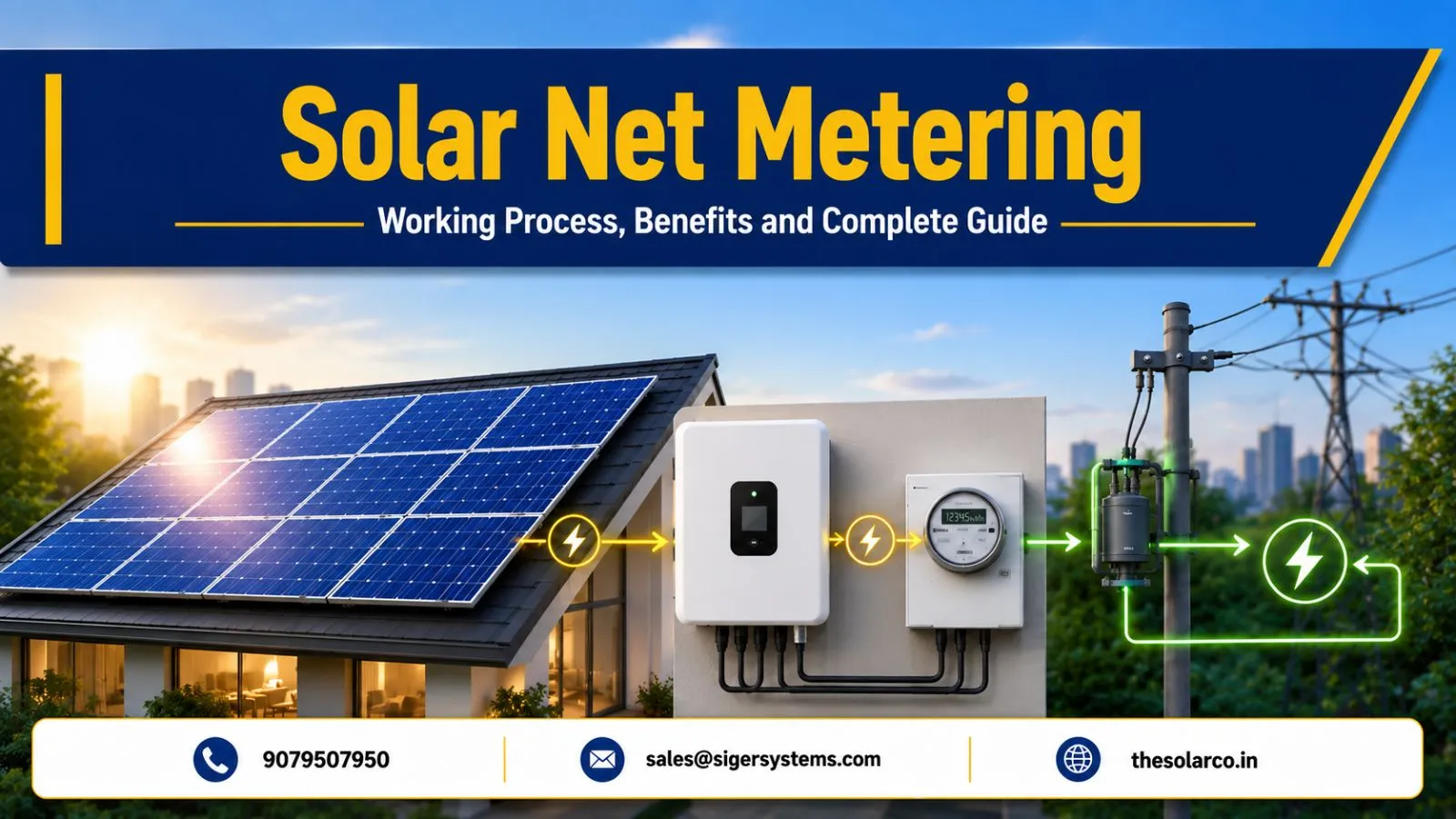
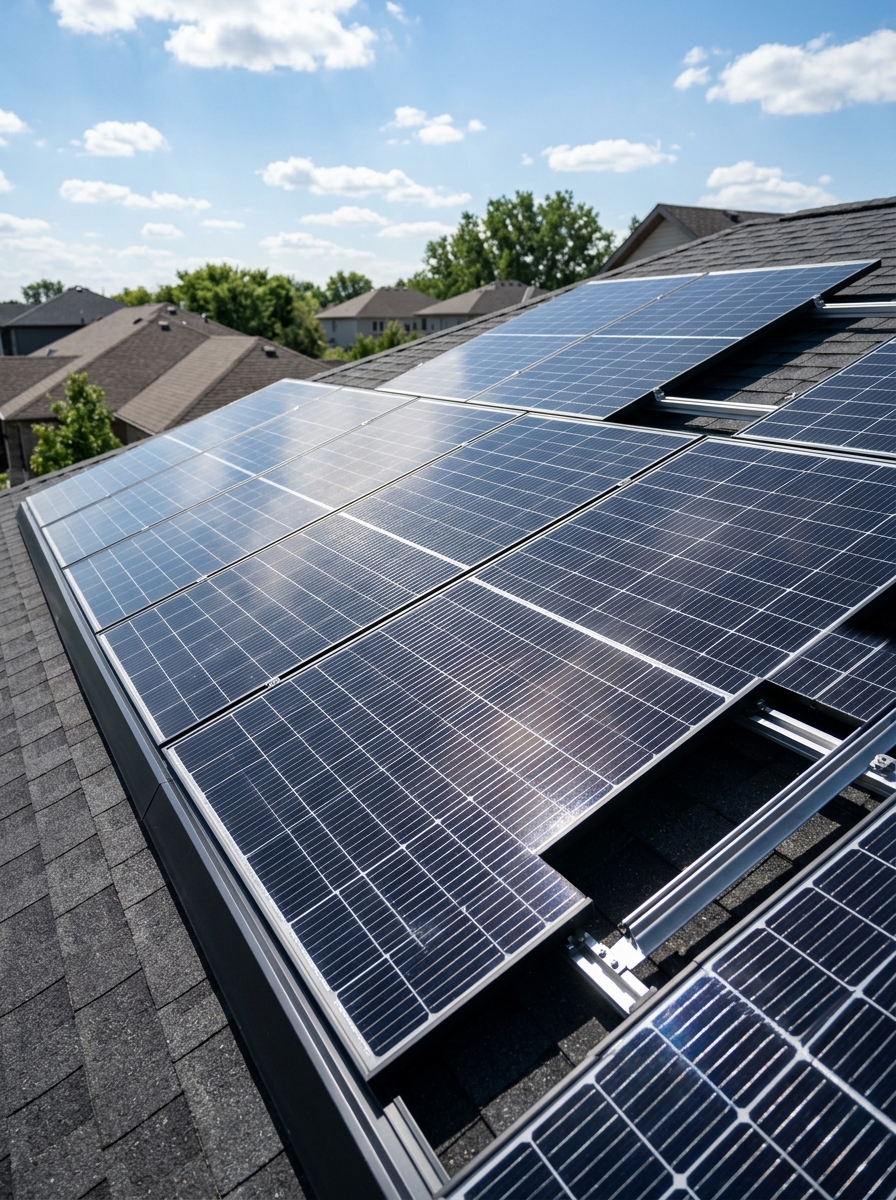
Solar energy systems use photovoltaic (PV) panels to convert sunlight into electricity. A solar inverter converts the generated direct current (DC) into alternating current (AC), which can power compatible household appliances.
Rooftop solar systems allow homes to generate electricity on-site and reduce the amount purchased from the grid. During sunny hours, the household can use solar electricity directly. Any surplus electricity may be exported to the grid where the installation and local regulations permit it.
Homeowners exploring residential rooftop solar solutions can evaluate how solar generation may fit their household’s electricity requirements.
Solar generation varies with sunlight, weather, shading, panel orientation, and system capacity. Adding a compatible battery can store surplus electricity for later use and provide backup during outages if the system is specifically designed for backup operation.
Key Differences Between Both Energy Sources
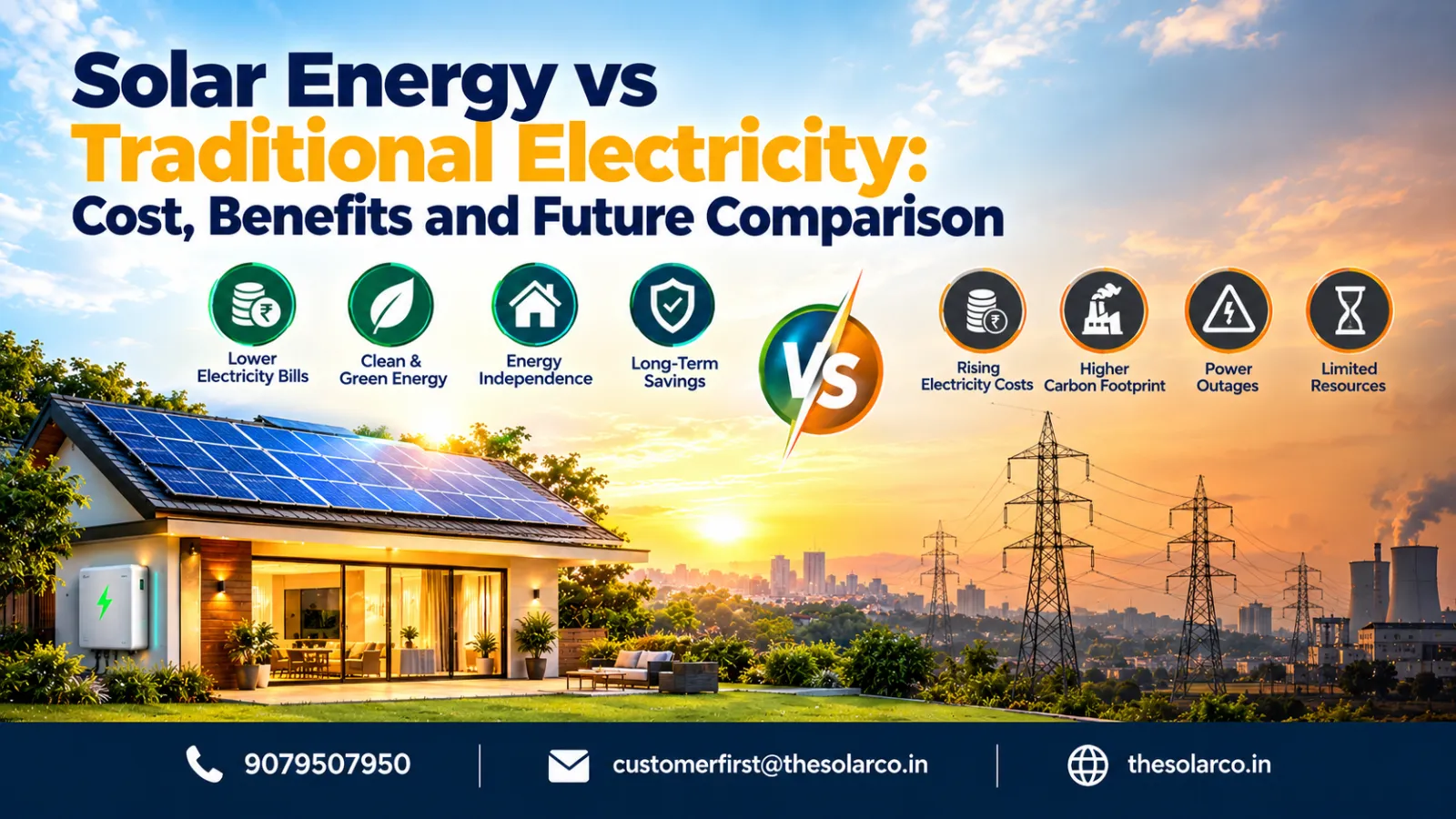
The main difference between solar power and traditional grid electricity is how electricity is generated and paid for. Grid electricity is purchased from a utility provider, while rooftop solar allows consumers to generate some of their electricity after investing in equipment.
Grid electricity generally requires less upfront investment from the consumer because the utility maintains the wider generation and distribution infrastructure. Solar requires an initial installation cost but can reduce electricity purchases over time.
The two options also differ in availability and environmental impact. Grid electricity can be supplied day and night when the network is operating, while solar generation depends on sunlight. Solar can reduce emissions associated with grid electricity, although manufacturing, transportation, installation, and end-of-life management also have environmental impacts.
For many properties, the most practical approach is to combine both sources. A grid-connected solar installation provides local electricity generation while retaining access to utility supply when solar production is insufficient.
Cost Comparison Between Solar and Electricity
Initial Investment Versus Monthly Expenses
Traditional grid electricity usually involves a connection charge, internal electrical infrastructure, and recurring bills based on the applicable tariff. Consumers generally do not have to purchase generating equipment, making grid electricity accessible without a large solar installation expense.
Solar power requires an initial investment in panels, an inverter, mounting structures, electrical protection, wiring, installation, and any required approvals or metering arrangements. Battery storage, if included, adds to the total cost.
Once installed, a solar system can generate electricity for many years, subject to maintenance and component performance. The amount saved depends on how much electricity the property consumes directly, the applicable tariff, and the compensation available for exported power.
When comparing costs, homeowners should distinguish between panel-only prices and the total installed cost of a functioning solar system. A complete estimate should include installation, electrical protection, potential structural work, maintenance, financing, and future component replacement.
Long-Term Savings Potential
Solar can offer long-term savings by reducing the electricity purchased from the grid. The financial outcome depends on installation cost, annual energy production, direct solar consumption, electricity tariffs, system performance, and any applicable incentives.
A household that consumes a large share of its electricity during daylight may use more solar power directly. This can increase the value of the electricity generated on-site. Homes with higher evening consumption may need to assess whether battery storage or changes to appliance schedules would improve the economics.
A basic payback estimate compares the net installation cost with expected annual savings. However, a realistic calculation should also account for maintenance, inverter or battery replacement, financing costs, system degradation, and possible changes in tariffs or export compensation.
Solar does not automatically eliminate every electricity expense. Fixed charges may remain, and grid electricity may still be needed during evenings, cloudy periods, or high-demand hours. Comparing several years of expected costs provides a more useful assessment than looking at the first-year bill reduction alone.
Impact of Increasing Electricity Rates
Electricity tariffs can change over time due to fuel costs, infrastructure investment, regulatory decisions, and other factors. When grid electricity becomes more expensive, the financial value of solar electricity consumed directly at the property may increase.
A rooftop solar system can therefore offer some protection from rising per-unit electricity costs. The extent of this protection depends on how much electricity the system generates and how much the household can use effectively.
Consumers should not assume that every unit generated will replace a unit purchased at the full retail tariff. Exported electricity may receive different compensation, and fixed charges or other bill components may continue. State-specific policies and utility regulations can also influence the final financial benefit.
Before investing, homeowners should review their recent electricity bills and obtain a system estimate based on actual consumption. This helps them understand whether solar is likely to provide meaningful savings under their current tariff structure.
Performance and Reliability Comparison
Power Availability and Energy Control
Grid electricity provides power through the utility network and is generally available day and night when the supply infrastructure is functioning. However, local faults, maintenance, weather events, or other disruptions can cause outages.
Solar panels generate electricity when sufficient sunlight is available. A standard grid-connected solar inverter usually shuts down during a grid outage for safety reasons, even if sunlight is available. This prevents the system from unintentionally energising utility lines while repairs are underway.
For electricity during outages, a homeowner needs a system specifically configured for backup, typically involving a compatible inverter, battery storage where required, and appropriate electrical isolation. Backup capability depends on system design, battery charge, and the appliances connected.
Solar gives consumers more control over where some of their electricity comes from, but it does not automatically guarantee an uninterrupted supply. A properly designed combination of solar, storage, and grid electricity can balance cost, flexibility, and reliability.
Maintenance Requirements of Both Systems
With traditional grid electricity, the utility generally manages the wider generation and distribution infrastructure. Homeowners remain responsible for safe internal wiring, electrical appliances, and faults within their property.
A rooftop solar installation requires periodic checks to help maintain performance and safety. These may include inspecting panels for heavy soiling or damage, checking monitoring data, reviewing inverter alerts, and arranging professional inspections of electrical connections and protection devices when appropriate.
Cleaning frequency depends on local dust levels, rainfall, nearby pollution sources, and manufacturer recommendations. Rooftop work should never be attempted without suitable safety precautions.
Solar systems also contain components with different service lives. Inverters, batteries, and other electrical equipment may require repair or replacement before the panels reach the end of their useful service life. Homeowners should understand warranty coverage and service arrangements for each component.
Before choosing equipment, it is useful to compare solar products and system components to understand the role of panels, inverters, and related equipment in a complete installation.
Energy Independence Benefits of Solar
Solar power can reduce reliance on grid electricity by allowing households to generate some of their energy requirements locally. This can be valuable for properties with high daytime consumption or electricity bills that make solar generation financially attractive.
Adding battery storage can extend the use of solar electricity into the evening and provide backup to selected circuits during grid failures. However, complete off-grid operation requires careful sizing of solar generation, storage, inverter capacity, and expected demand across different seasons.
For most urban homes, remaining connected to the grid while generating a portion of electricity through solar can be more practical than trying to eliminate grid dependence entirely. The best configuration depends on budget, available roof space, reliability needs, and electricity usage patterns.
Environmental Impact Comparison
Carbon Emissions from Traditional Electricity
The environmental impact of grid electricity depends on the sources used to generate it. Electricity produced from coal and natural gas releases greenhouse gases during operation, while renewable and nuclear sources generally have lower operational emissions.
India’s electricity mix includes substantial coal-based generation alongside growing contributions from solar, wind, hydro, and other sources. As a result, emissions associated with electricity consumption vary according to the generation mix and the time electricity is supplied.
Reducing electricity consumption through energy-efficient appliances can lower a property’s environmental footprint regardless of its electricity source. Where rooftop solar replaces electricity that would otherwise come from more carbon-intensive generation, it can also reduce associated emissions.
The actual environmental benefit depends on the solar system’s lifetime production, the electricity it displaces, manufacturing impacts, and how equipment is handled at the end of its useful life.
Clean Energy Benefits of Solar
Solar power generates electricity without direct fuel combustion during normal operation. It does not require continuous coal or gas consumption to produce electricity, which can help reduce operational greenhouse gas emissions compared with more carbon-intensive generation.
Rooftop solar also produces electricity close to where it is consumed, potentially reducing the need to transport that portion of electricity over long distances. The overall grid impact depends on location, network conditions, and how much solar electricity is consumed locally or exported.
Solar panels still require raw materials, manufacturing energy, transportation, and installation. Their environmental benefits should therefore be assessed across the full life cycle rather than treating the technology as impact-free.
Choosing durable equipment, maintaining the system properly, and using appropriate recycling or end-of-life management channels can help improve its long-term environmental performance.
Role of Solar in Sustainable Development
Solar energy can contribute to a more diverse electricity system by increasing renewable generation and reducing dependence on fossil fuels. Rooftop installations allow households, offices, institutions, and businesses to use available building space to generate electricity.
Solar can also support wider energy goals when combined with efficiency measures, grid upgrades, storage, and responsible equipment management. As renewable generation grows, suitable infrastructure and flexible demand become increasingly important for maintaining a reliable electricity supply.
For individual consumers, sustainable energy decisions involve more than choosing solar panels. Reducing unnecessary consumption, selecting efficient appliances, planning a suitably sized installation, and maintaining equipment can all contribute to better energy outcomes.
Which Energy Option Is Better for Homes?
Factors to Consider Before Choosing
The right option depends on a household’s electricity usage, budget, roof condition, local sunlight, tariff structure, and reliability requirements. Homeowners should examine recent bills to understand their monthly consumption and identify when electricity demand is highest.
Roof space and shading influence how much solar electricity can be generated. The condition of the roof, electrical infrastructure, and applicable connection requirements also affect installation planning.
Consumers should compare the total installed price, expected annual generation, warranty coverage, maintenance requirements, and estimated payback period. If backup power is important, they should confirm whether the proposed system can operate during an outage and which appliances it can support.
Available government incentives and metering arrangements should be checked through current official channels because eligibility and rules can vary. A professional site assessment is preferable to relying solely on generic online cost estimates.
Suitability Based on Energy Requirements
Grid electricity may remain the most straightforward option for households with limited roof space, low electricity consumption, or insufficient funds for an initial solar investment. It also provides an important source of power when solar production is unavailable.
Solar can be attractive for households with suitable rooftops, consistent electricity consumption, and a long-term interest in reducing grid purchases. Homes that use substantial electricity during daylight may benefit from direct solar consumption without needing a battery.
Properties with frequent outages or high evening demand can evaluate a hybrid solar and battery system. However, storage should be sized according to essential loads, required backup duration, and the cost of the additional equipment.
For many households, a grid-connected rooftop solar system offers a balanced solution: solar generation helps reduce electricity purchases, while the grid supplies power when needed. This approach can provide practical financial and environmental benefits without requiring complete energy independence.
Future Benefits of Switching to Solar
Solar technology continues to develop through improvements in module efficiency, inverter functionality, monitoring, and energy storage. These developments may give homeowners more options for managing electricity use and coordinating solar generation with batteries or compatible appliances.
The long-term value of switching to solar still depends on system quality, local electricity tariffs, installation costs, and actual energy consumption. Homeowners should avoid choosing a system solely because it promises the largest capacity or the highest advertised savings.
A carefully planned installation can reduce grid dependence, provide greater visibility into electricity use, and support lower-emission energy consumption over its operating life. Reviewing household needs, comparing professional quotations, and understanding warranty terms and local regulations are essential steps towards making a sound decision.
Ultimately, solar energy and traditional electricity do not have to be competing choices. For many homes, combining rooftop solar with grid connectivity provides a practical way to manage costs, make use of renewable energy, and maintain access to electricity when sunlight is insufficient.