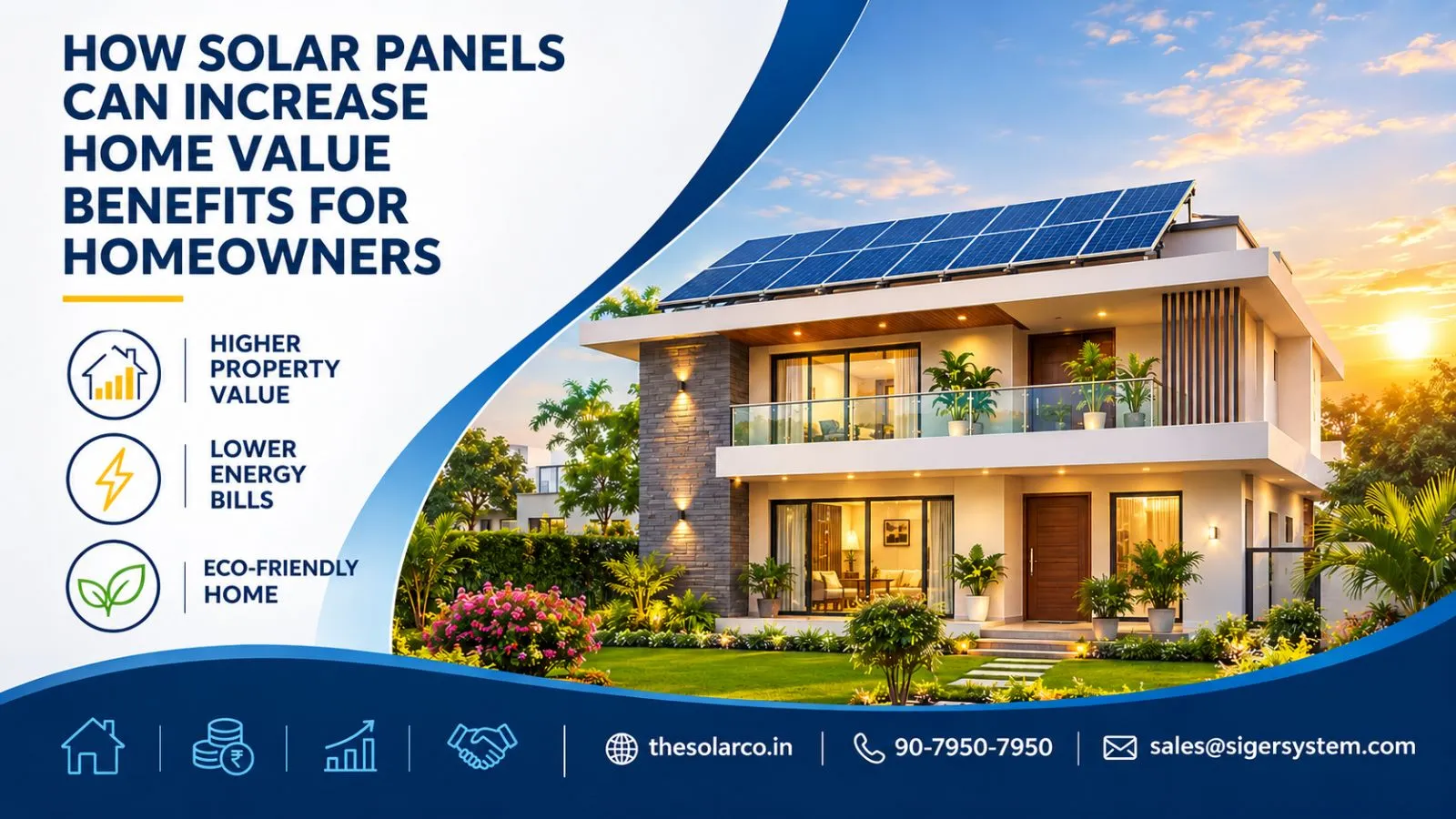
Solar panels increase home value by helping properties become more energy-efficient, reducing dependence on grid electricity, and offering buyers the opportunity to manage long-term energy costs. As electricity prices, environmental awareness, and interest in reliable energy solutions influence home-buying decisions, a well-designed rooftop solar system can make a property more attractive. However, the value added depends on several factors, including system capacity, equipment quality, installation records, local electricity tariffs, and remaining system life. Homeowners should therefore view solar as both an energy investment and a property improvement, rather than assuming every installation creates the same resale premium.
Why Solar Panels Increase Home Value
A home with a properly installed solar power system can offer practical benefits that appeal to buyers. It may reduce monthly electricity expenses, improve energy independence during suitable operating conditions, and demonstrate that the property is prepared for changing energy needs. These advantages can strengthen a home’s appeal, although the actual effect on its selling price varies by market.
Connection Between Renewable Energy and Property Value
Renewable energy features can distinguish a property from similar homes without solar. A rooftop system shows that the owner has invested in an energy solution designed to generate electricity on-site. Buyers who value lower running costs may see this as an advantage, particularly when the system is relatively new and supported by clear performance records.
Growing Demand for Energy-Efficient Homes
Energy efficiency is becoming a more visible consideration when people compare homes. Buyers may look beyond the purchase price and consider ongoing costs such as electricity, water, cooling, and maintenance. In regions with hot summers, household cooling can account for a substantial share of electricity use. Solar generation can help offset some daytime consumption when panels produce power.
An energy-efficient home can therefore appeal to buyers who want more predictable household expenses.
Solar as a Long-Term Home Improvement Investment
Unlike cosmetic upgrades, a solar installation can continue producing electricity for many years when designed and maintained correctly. Its value to a future owner depends on the equipment’s age, condition, expected output, warranty coverage, and the cost of replacing components over time.
Homeowners should retain invoices, warranties, commissioning documents, approvals, and maintenance records.
Financial Benefits of Solar Installed Homes
The financial case for solar begins with the electricity a household can generate and use. Savings vary with system size, sunlight, roof orientation, shading, household consumption patterns, electricity tariffs, and applicable utility rules. Buyers should assess actual bills and generation data instead of relying on broad savings claims.
Lower Electricity Expenses for Homeowners
A rooftop solar system can reduce the amount of electricity a household needs to purchase from the grid. When solar generation matches daytime demand, appliances can use locally generated power directly. This can be particularly useful for homes where people operate air conditioners, pumps, or other major appliances during sunny hours.
Increased Attractiveness for Future Buyers
A prospective buyer may view an operating solar system as an improvement that can reduce future household expenses. The benefit is easier to understand when the seller can provide recent electricity bills, inverter monitoring reports, system specifications, and maintenance details.
Buyers should also know whether the system is owned outright, financed, leased, or subject to any agreement that needs to be transferred. Ownership terms can affect the transaction and should be explained before listing the property.
Long-Term Savings Advantage
Solar panels can deliver savings over their operating life, but the financial outcome depends on the initial project cost, electricity tariffs, system output, maintenance, and any financing charges. A homeowner should compare the expected lifetime benefits with the total cost of ownership.
Homeowners should also understand that property valuation is not calculated by adding the original solar installation cost to the asking price. A buyer may consider the remaining useful life of the panels, expected inverter servicing, electricity tariff structure, and whether the system meets current household needs. The local real estate market determines how strongly these benefits influence offers. In some cases, solar may help a home sell more quickly or attract more interested buyers without producing a measurable price premium. Sellers can strengthen the case by presenting a simple information pack with the installation date, equipment details, warranties, recent generation figures, and recent electricity bills. Buyers can then assess the system using evidence rather than assumptions. If the home has a battery, explain its usable capacity and warranty separately. Transparent information supports a smoother sale and realistic expectations for both parties and local homebuyers.
Factors That Influence Solar Impact on Property Value
Not every solar installation contributes equally to a property’s appeal. The system must be suitable for the home and its electricity needs. Buyers, valuers, and property professionals may consider the equipment, installation workmanship, documentation, and local conditions before deciding how much weight to give the solar feature.
Solar System Size and Performance
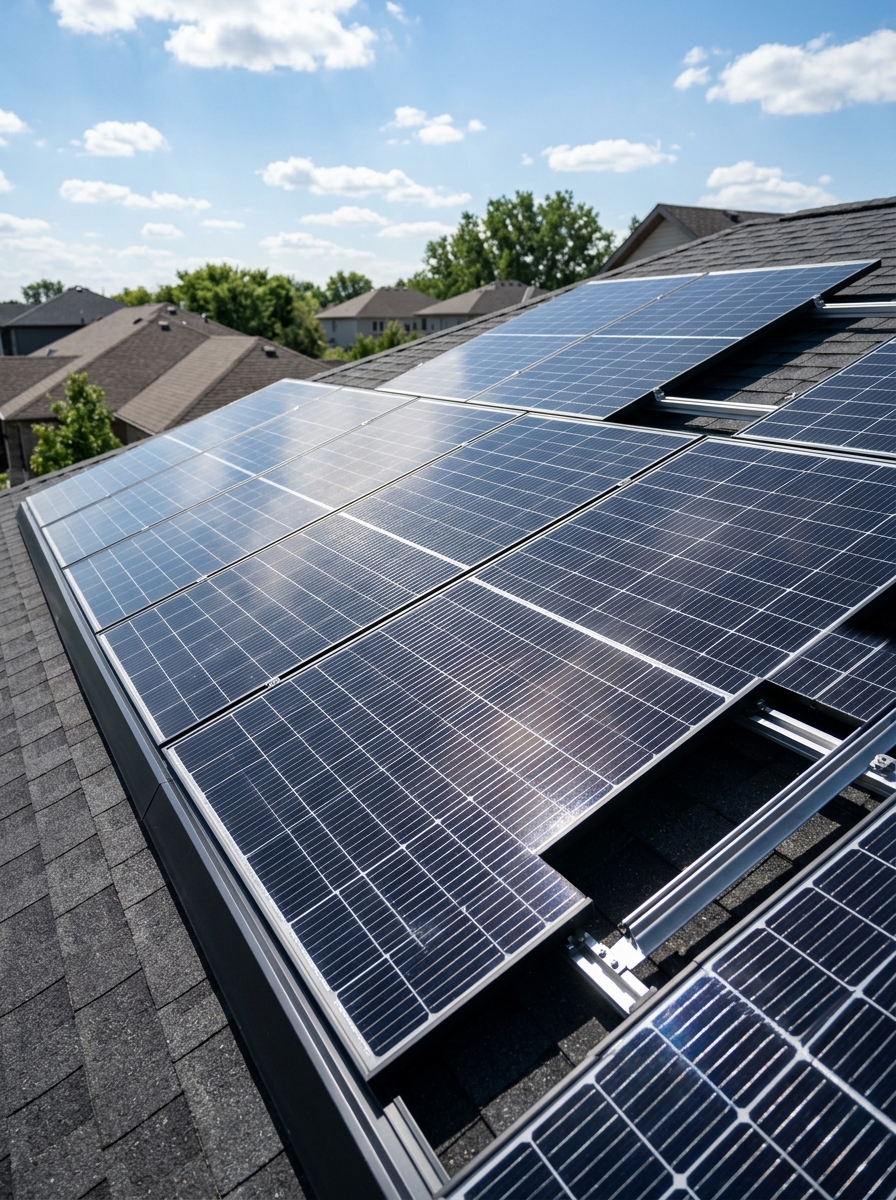
System capacity should be appropriate for the home’s electricity consumption and available roof area. Performance information helps explain the system’s real contribution. Owners can preserve monthly generation reports, inverter alerts, and electricity bills to show how the system has operated across seasons. Panel orientation, tilt, shading, and local weather influence output, so a property’s roof design should be considered when estimating future generation.
Installation Quality and Maintenance History
Professional installation affects safety, reliability, and the buyer’s confidence. Secure mounting, suitable wiring, correct earthing, weatherproof connections, and accessible isolation and protection devices are important parts of a dependable system.
Maintenance records should show whether panels have been inspected, faults addressed, and inverter performance reviewed. Solar panels generally need limited routine attention, but dust, debris, shading, loose connections, or equipment faults can reduce output. In dusty parts of Rajasthan, sensible inspection and cleaning practices can help maintain performance without damaging panel surfaces.
Homeowners planning a new system should compare providers on design, equipment, workmanship, warranties, and after-sales support. A qualified solar company in Jaipur can assess roof conditions and household requirements before recommending a suitable installation.
Location and Energy Demand Factors
The effect of solar on home value depends partly on local conditions. Sunlight availability, electricity tariffs, utility policies, roof suitability, and buyer awareness can all influence the perceived benefit. Homes with high daytime electricity use may be able to consume a larger share of their solar generation directly.
Solar Features Buyers Look For and Why Solar Is a Smart Home Investment
When evaluating a solar-equipped home, buyers want evidence that the system is safe, functional, and capable of delivering useful electricity. Clear documentation and understandable performance information can make the feature more persuasive than a simple statement that the property has solar panels. Solar can support a home’s appeal when it combines measurable energy benefits with dependable equipment and transparent ownership records.
Reliable Solar Equipment and Warranty
Buyers should review the panel and inverter brands, model numbers, installation date, rated capacity, and warranty documents. The inverter deserves particular attention because it converts the panels’ direct-current electricity into alternating-current electricity used by household appliances. Its age, condition, efficiency, protection features, and service history can affect future maintenance costs.
Energy Savings Potential
Buyers often want to know how much electricity the system generates and how much of that energy the household uses. Recent bills and monitoring records can help answer these questions. It is useful to distinguish total solar generation from the amount consumed in the home and any electricity exported to the grid.
Smart Monitoring and Storage Options
Smart monitoring can help homeowners view generation, identify unusual performance changes, and understand how the system operates. Wi-Fi-enabled inverters and mobile applications may provide daily production figures, historical reports, and fault notifications, depending on the model.
Combining Sustainability with Financial Benefits
Solar electricity can reduce reliance on conventional grid generation and help households use a renewable energy source. For buyers who value sustainability, this can be an appealing feature as well as a potential way to manage electricity costs.
Improving Home Efficiency
Solar works best as part of a broader energy-efficiency plan. Efficient air conditioners, LED lighting, appropriate insulation, shaded windows, and energy-conscious appliance use can reduce household demand. Lower demand may allow a rooftop system to cover a greater share of electricity use.
Preparing Homes for Future Energy Needs
Household electricity needs can change as families add appliances, electric vehicles, or new cooling equipment. When planning a solar installation, homeowners can ask whether the inverter, wiring, roof layout, and system design allow practical expansion. Any future upgrade must still follow electrical limits and applicable approvals.
A well-documented installation gives the next owner a clearer starting point for managing energy use or considering storage. The Solar Co. provides residential rooftop solar solutions as well as commercial and institutional solar services, supporting customers with system planning and installation. For homeowners, the best investment is not simply the largest system, but one designed for the property’s needs, installed professionally, and supported by reliable records. Such a system can improve everyday energy performance and make the home more appealing to buyers who value efficiency, savings, and renewable power.