
Energy independence means having greater control over how electricity is generated, stored, and consumed. For homeowners and businesses, solar power offers a practical way to reduce reliance on electricity supplied entirely by the conventional grid. Instead of purchasing all their electricity from a utility provider, they can generate a portion of their energy requirements using solar panels.
Complete independence from the grid is not necessary to benefit from solar energy. A grid-connected solar system can reduce electricity purchases while retaining the grid as a source of backup supply. For greater independence during power cuts, a suitable battery storage system and backup-compatible inverter may also be required.
The level of independence achievable depends on electricity consumption, solar generation, storage capacity, local weather, and the system’s configuration. Understanding these factors helps users choose a solution that meets their practical energy needs.
Role of Solar Power in Self-Sufficient Energy Use
Solar power converts sunlight into electricity through photovoltaic (PV) panels. This electricity can run household appliances, office equipment, lighting, cooling systems, and other compatible electrical loads.
When solar generation matches demand, users can consume electricity directly from their panels and reduce the amount purchased from the grid. If generation exceeds immediate demand, surplus electricity may be exported to the grid under the applicable connection and settlement arrangements. With battery storage, some surplus generation can instead be stored for later use.
This flexibility makes solar a valuable part of a self-sufficient energy strategy. However, solar panels do not generate the same amount of electricity at every hour. Night-time usage, cloudy weather, seasonal changes, and high-demand periods must all be considered when planning a system.
How Homes Can Generate Their Own Electricity
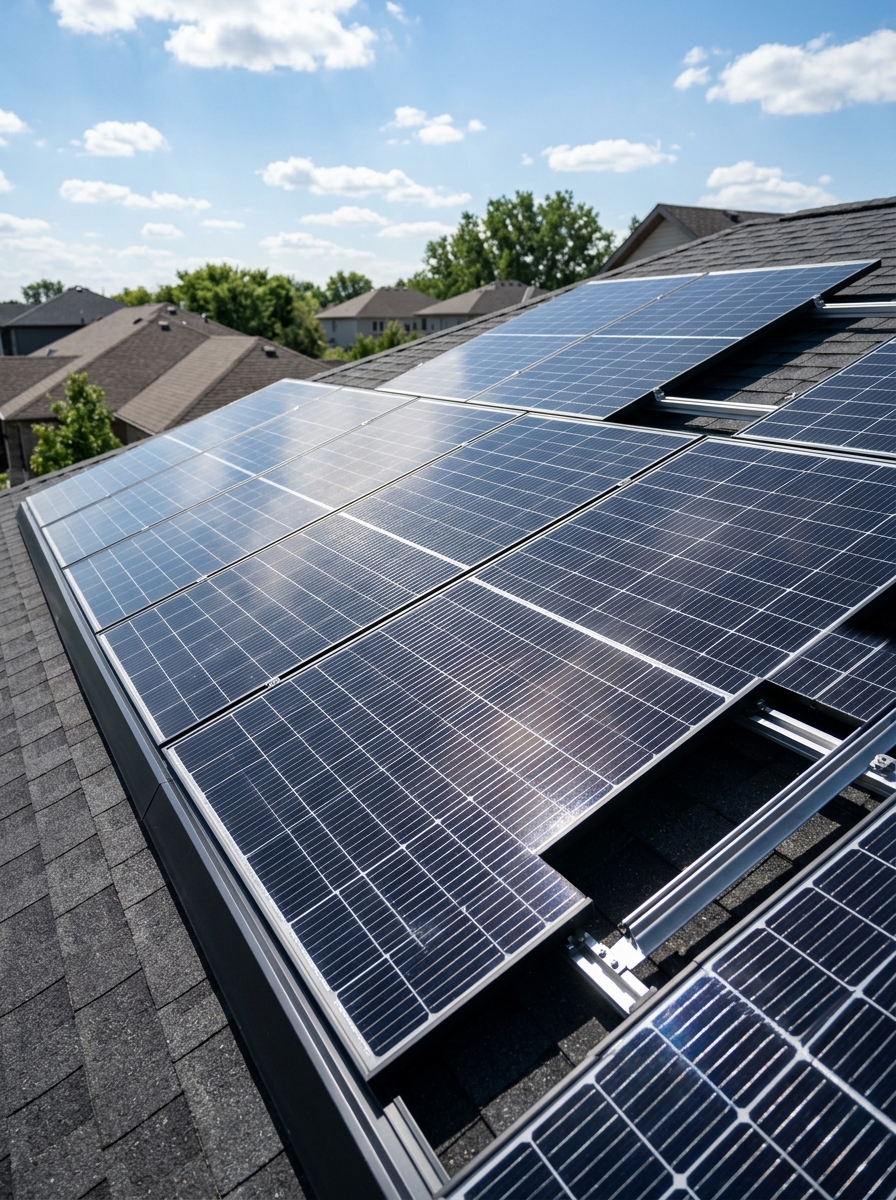
Residential rooftop solar systems allow homeowners to use available roof space to generate electricity. The installation typically includes solar panels, an inverter, mounting structures, electrical protection equipment, and the necessary wiring and monitoring components.
The electricity generated can power appliances during daylight hours. A battery can store excess energy for evening use or backup, provided the system is designed to support storage. Homes without batteries generally remain dependent on the grid when solar production is unavailable, unless another suitable power source is installed.
Before installation, homeowners should review their electricity bills, daily consumption patterns, available roof area, shading, and roof condition. A professional assessment helps determine the suitable system capacity and whether adding battery storage would provide enough practical value to justify its cost.
How Solar Helps Reduce Grid Dependency
Generating Electricity from Rooftop Solar Systems
Rooftop solar systems generate electricity from sunlight, helping households and businesses meet part of their energy demand locally. The amount of electricity produced depends on the installed capacity, panel orientation, shading, weather conditions, equipment efficiency, and maintenance.
A system sized around the user’s actual consumption can reduce grid imports without unnecessarily increasing installation costs. For example, a household that uses substantial electricity during daylight hours may consume a significant portion of its solar generation directly. A household with higher evening demand may benefit from reviewing battery storage or adjusting flexible appliance usage.
Grid-connected systems must comply with applicable utility requirements and electrical safety standards. Metering arrangements and permission to export excess electricity vary by location, so these should be confirmed before installation.
Managing Daily Energy Consumption with Solar
Energy independence is not only about producing electricity; it also involves using that electricity efficiently. Shifting flexible activities to daylight hours can increase direct solar consumption and reduce the need to draw electricity from the grid.
For example, where practical, households can run washing machines, water pumps, or other suitable appliances during periods of strong solar generation. Businesses can schedule selected operations during productive solar hours, provided the changes do not affect safety, comfort, or operational requirements.
Monitoring tools can help identify when solar generation is highest and how electricity is being consumed. Users can then make informed decisions about appliance schedules, cooling requirements, and energy-saving improvements.
Reducing unnecessary consumption also supports energy independence. Efficient lighting, appropriately maintained appliances, and improved building insulation can lower total demand, allowing a solar installation to cover a greater share of electricity needs.
Role of Battery Storage in Energy Independence
Battery storage can extend the usefulness of solar electricity beyond daylight hours. During periods of excess generation, a compatible system stores energy that can later supply selected appliances when solar production falls or grid electricity becomes unavailable.
Battery capacity should be matched to the intended purpose. A battery designed to support essential lights, fans, and communication equipment during short outages may be much smaller than one intended to supply air conditioning and other high-power appliances for extended periods.
Homeowners should compare usable capacity, maximum discharge power, efficiency, warranty terms, and expected operating conditions. They should also confirm whether the inverter supports backup operation, because not every grid-connected solar system continues supplying electricity during an outage.
Battery storage can improve resilience and reduce grid dependence, but it adds upfront costs and energy losses. The decision should reflect the value of backup, local electricity tariffs, solar export compensation, and household consumption patterns.
Benefits of Becoming Energy Independent
Better Control Over Electricity Expenses
Solar power can help users reduce the electricity they purchase from their utility provider. The potential financial benefit depends on the system’s generation, the amount consumed directly, applicable tariffs, export compensation, and the fixed charges that remain payable.
For example, a home that uses solar electricity for daytime cooling and other appliances may purchase less electricity during those hours. If a battery is installed, some surplus solar energy may also cover evening consumption. The actual reduction in the bill will depend on the home’s usage and the local billing arrangement.
A useful financial assessment should compare the total installed cost with expected annual savings, maintenance expenses, financing costs, and the possible replacement of components over time. This provides a more realistic picture than relying on estimated savings alone.
Protection from Rising Electricity Costs
Generating electricity on-site can reduce exposure to future changes in grid electricity prices. Once a solar system is installed, sunlight does not carry a fuel charge, although the system still has installation, maintenance, financing, and equipment-related costs.
If utility tariffs increase, the value of the electricity generated and consumed on-site may also increase. However, the benefit is not identical for every user because tariff structures, fixed charges, taxes, export rates, and policy arrangements can change.
Solar should therefore be evaluated as a long-term energy investment rather than a guarantee against every electricity expense. Choosing quality equipment, an appropriate system size, and a qualified installer can help improve reliability and long-term performance.
Reliable Power Availability for Homes
Energy independence can also mean having greater control over essential electricity needs during grid interruptions. A solar system paired with a suitable battery and backup-capable inverter can supply selected circuits when the utility supply fails.
This can be particularly useful for homes that depend on lighting, fans, internet connectivity, refrigeration, or essential work equipment. The system must be designed to isolate backup circuits safely from the utility grid and operate within its rated power limits.
Backup reliability depends on battery charge, appliance demand, available solar generation, and the duration of the outage. During prolonged cloudy conditions or heavy consumption, stored energy may be depleted. Users should identify essential loads and choose a system that matches their backup priorities.
Solar Solutions for Different Energy Needs
Residential Energy Independence Solutions
Residential solar solutions can be designed around a household’s electricity consumption, roof space, budget, and backup requirements. A grid-connected rooftop system may suit homes that primarily want to lower electricity purchases. A hybrid system with battery storage may be more appropriate where backup power or evening solar consumption is a priority.
The first step is to examine electricity bills and understand when energy is used. An installer can then assess roof orientation, shading, electrical infrastructure, and suitable system capacity. Homeowners should also check applicable approvals, metering requirements, warranties, and available subsidy eligibility.
Explore rooftop solar solutions for residential properties to understand how a system can be planned around household energy needs.
Small Business Solar Power Solutions
Small businesses can use solar power to offset electricity consumption from lighting, computers, refrigeration, office equipment, and other daytime operations. The greatest benefit often comes when business hours overlap with solar generation, allowing a larger share of generated electricity to be consumed directly.
Businesses with evening operations, variable demand, or frequent outages may also consider battery storage. However, commercial equipment can have higher power requirements, so storage systems need careful assessment of peak loads, backup duration, and operating priorities.
A business should review its electricity bills, demand patterns, available installation area, and local grid-connection rules before deciding on capacity. Financial planning should include installation costs, maintenance, financing, and the value of avoided electricity purchases.
Advanced Solar and Storage Systems
Advanced solar systems can combine PV panels, hybrid inverters, battery storage, and energy management software. Depending on the equipment, these components can coordinate solar generation, battery charging, grid imports, and electricity consumption.
Monitoring platforms can provide information about system output and energy flows, while selected systems support operating schedules or reserve settings for outages. These capabilities help users understand performance and manage stored energy more effectively.
For larger installations or more complex energy requirements, system design should account for electrical protection, component compatibility, future expansion, service support, and applicable regulations. Comparing solar equipment and system components can help users understand the different elements involved in building a suitable installation.
Future of Energy Independence with Solar
Growth of Decentralized Energy Systems
Decentralized energy systems generate electricity closer to where it is consumed. Rooftop solar, residential batteries, and commercial solar installations are examples of how energy production can be distributed across homes and businesses rather than relying exclusively on centralised generation.
As these systems become more common, they may help users manage energy costs and support local energy resilience. Their overall effectiveness depends on grid infrastructure, suitable connection policies, equipment quality, and the ability to balance electricity supply and demand.
Decentralized generation does not remove the need for reliable electricity networks. Instead, it can complement the grid while giving consumers more options for meeting their energy requirements.
Smart Solar Technology Development
Smart inverters, connected monitoring systems, and home energy management platforms are making it easier to track solar production and electricity use. These technologies can help users identify performance changes, understand consumption patterns, and make better decisions about when to use or store electricity.
Future systems may offer closer integration with electric vehicle charging, smart appliances, and more flexible electricity tariffs. The benefits will depend on equipment compatibility, local utility arrangements, and the availability of suitable services.
When choosing smart solar technology, users should prioritise safety, reliable monitoring, manufacturer support, clear warranty terms, and practical features that meet their actual requirements.
Long-Term Advantages for Energy Users
Energy independence with solar power is a gradual process that combines local electricity generation, efficient energy use, and, where appropriate, battery storage. The right combination can reduce grid imports, provide backup for selected loads, and give households or businesses greater visibility into their electricity consumption.
The best solution is not necessarily the one with the highest capacity or the most advanced features. It is the system that balances generation, demand, installation cost, reliability, and future energy needs.
By assessing consumption patterns, comparing equipment, and planning for maintenance and safety, users can make informed decisions about solar investment. With realistic expectations and suitable system design, solar power can become a valuable part of a more flexible and resilient energy strategy.