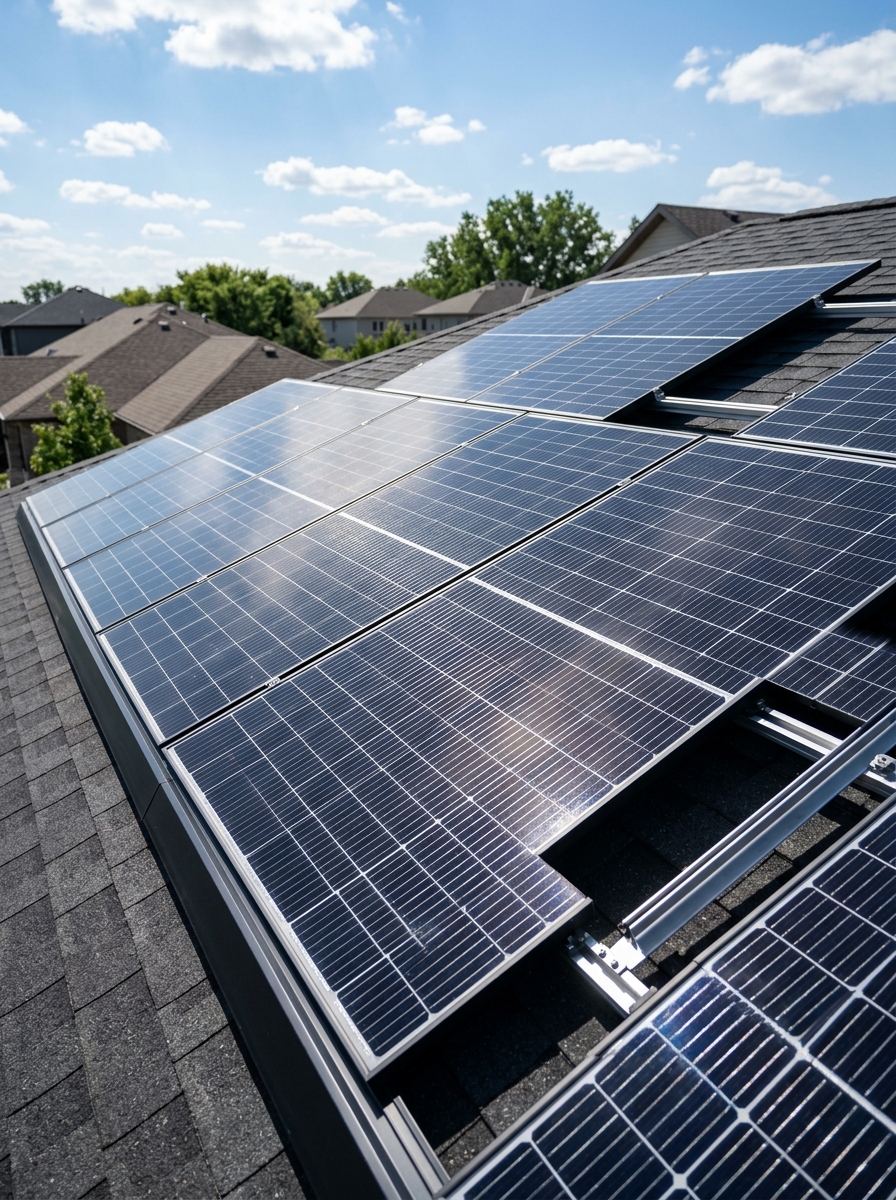

Solar panels are designed to operate outdoors, which means their surfaces are continuously exposed to dust, dirt, pollen, bird droppings, leaves, pollution, and changing weather conditions. Over time, these substances can accumulate on the panel surface and reduce the amount of sunlight reaching the solar cells.
This is why solar panel cleaning is an important part of maintaining a rooftop solar system. Clean panels can receive sunlight more effectively, while heavily soiled panels may experience reduced energy generation.
However, cleaning frequency and requirements are not the same for every property. Local climate, rainfall, dust levels, panel tilt, surrounding trees, bird activity, and rooftop conditions all influence how quickly panels become dirty.
For homeowners and businesses, the objective should not be to clean panels unnecessarily. Instead, cleaning should be performed when dirt accumulation is significant enough to affect performance or when recommended by the equipment and maintenance provider.
Impact of Dust and Dirt on Solar Generation
Solar panels need sunlight to generate electricity. When dust or other deposits cover part of the panel surface, they can reduce the amount of sunlight reaching the photovoltaic cells.
The effect can vary depending on:
- Amount of dirt
- Type of deposits
- Panel angle
- Local weather
- Rainfall
- Shading
- Duration of accumulation
Light dust may have a limited effect, while heavy deposits, bird droppings, or other persistent contamination can have a more noticeable impact.
For example, rooftop systems located in dusty or high-pollution areas may accumulate dirt faster than systems in locations with frequent rainfall.
Connection Between Cleanliness and Efficiency
Panel cleanliness is one factor that can influence solar system performance.
A clean surface allows sunlight to reach the solar cells without unnecessary obstruction. However, cleaning alone cannot solve every performance problem.
If energy production is lower than expected, other factors may include:
- Shading
- Inverter problems
- Electrical faults
- Panel degradation
- Weather conditions
- System design
- Equipment failure
Therefore, cleaning should be considered one part of overall solar system maintenance rather than the only method of improving generation.
When Solar Panels Need Cleaning
There is no universal cleaning schedule that applies to every solar installation.
Panels may need attention when visible dirt has accumulated or when performance monitoring indicates an unexplained decline that could be related to soiling.
Signs that cleaning may be necessary include:
- Visible dust buildup
- Bird droppings
- Leaves or organic debris
- Mud or other deposits
- Significant pollution buildup
- Persistent dirt after dry weather
A monitoring system can also help compare current generation with historical performance.
Best Methods to Clean Solar Panels
The appropriate cleaning method depends on the size of the system, roof accessibility, level of dirt, panel manufacturer’s recommendations, and safety requirements.
Manual Cleaning Techniques
For accessible residential systems, manual cleaning may be possible using suitable equipment and methods.
A basic approach can involve:
- Inspecting the panels first
- Removing loose debris carefully
- Using clean water where appropriate
- Using a soft, non-abrasive cleaning tool
- Avoiding excessive pressure
- Allowing the panels to dry naturally where appropriate
The exact procedure should follow the panel manufacturer’s recommendations.
Cleaning panels during extremely hot conditions may not be ideal because rapid temperature changes or unsuitable cleaning practices could potentially stress the equipment.
It is also important to remember that solar panels are electrical equipment. Water should never be directed carelessly toward electrical connections, inverters, junction boxes, or other components.
Professional Solar Cleaning Services
Professional cleaning can be a better option for larger systems, difficult rooftops, commercial installations, or properties where working at height creates safety risks.
Professional teams can use appropriate tools and procedures while also visually checking the system for obvious issues.
A professional maintenance visit may identify:
- Excessive dirt
- Cracks or visible damage
- Loose components
- Cable issues
- Mounting problems
- Obstructions
Cleaning and inspection can therefore be combined as part of a broader maintenance routine.
Automatic Solar Cleaning Systems
Large solar installations may use automated or semi-automated cleaning technologies.
These systems can be useful where:
- The solar installation is very large
- Cleaning manually is labor-intensive
- Dust accumulation is frequent
- Water availability is limited
- Regular cleaning is operationally important
Automatic systems vary considerably in design and cost.
The decision to install one should be based on the project’s size, environmental conditions, cleaning requirements, operating costs, and expected benefits.
For a typical residential rooftop, an automated cleaning system may not always be necessary.
Things to Avoid During Solar Panel Cleaning
Improper cleaning can cause more harm than good. Solar panels have protective surface materials that should be treated carefully.
Using Harmful Cleaning Materials
Avoid using harsh chemicals, abrasive cleaners, or unsuitable household products unless specifically approved by the panel manufacturer.
Cleaning materials should not leave residues that interfere with sunlight reaching the panel surface.
A safer approach is to follow the manufacturer’s cleaning recommendations and use suitable equipment.
When in doubt, professional cleaning is preferable to experimenting with chemicals or aggressive cleaning techniques.
Avoiding Scratches and Surface Damage
Solar panels should not be scrubbed with hard brushes, rough materials, or abrasive tools.
Scratches and surface damage can affect the protective layer of the panel and may compromise long-term performance.
Avoid:
- Hard-bristle brushes
- Abrasive pads
- Scraping tools
- Excessive pressure
- Unapproved chemicals
A soft cleaning tool and an appropriate cleaning method are generally preferable.
Safety Precautions During Rooftop Cleaning
Safety should be the first priority when cleaning rooftop solar panels.
Working on a roof can involve risks such as:
- Falls
- Slippery surfaces
- Electrical hazards
- Unstable footing
- Extreme heat
- Damaged roofing
If panels are installed on a high, steep, or difficult-to-access roof, homeowners should avoid attempting the work themselves.
Professional technicians can use appropriate safety equipment and procedures.
Electrical components should also not be opened or handled by unqualified individuals.
How Often Should Solar Panels Be Cleaned?
The ideal cleaning frequency depends on the environment rather than a fixed universal schedule.
Some systems may remain relatively clean because of regular rainfall, while others may require more frequent attention because of dust, pollution, or bird activity.
Factors Deciding Cleaning Frequency
Important factors include:
- Local dust levels
- Rainfall
- Air pollution
- Panel tilt
- Nearby trees
- Bird activity
- Construction activity
- Rooftop environment
- Seasonal weather
A solar installation near an active construction site, for example, may accumulate dust faster than one in a cleaner residential environment.
Similarly, properties located near agricultural or industrial areas may have different cleaning requirements.
Impact of Location and Weather Conditions
Location has a significant influence on panel soiling.
In many parts of India, dry periods can increase dust accumulation on rooftop solar panels. Cities and regions with dusty conditions may therefore require more frequent inspection and cleaning.
For example, solar systems in Jaipur and other parts of Rajasthan may experience substantial dust exposure during dry periods.
On the other hand, rainfall can naturally remove some loose dust, although rain does not always eliminate bird droppings, oily deposits, or stubborn dirt.
This means natural rainfall can reduce cleaning requirements but should not be considered a complete substitute for inspection.
Seasonal Cleaning Requirements
Solar cleaning needs can change throughout the year.
During dry seasons, dust accumulation may increase. After periods of heavy rain, panels may appear cleaner, but they can still develop deposits or dirt in certain areas.
Seasonal inspection can help determine whether cleaning is actually required.
Instead of following an arbitrary schedule, property owners can combine:
Visual Inspection + Performance Monitoring + Local Weather Conditions
This provides a more practical basis for deciding when cleaning is necessary.
Benefits of Proper Solar Panel Cleaning
Regular and appropriate maintenance can help keep a solar system operating effectively throughout its service life.
Maintaining Energy Production
One of the primary reasons to clean panels is to reduce the impact of accumulated dirt on sunlight exposure.
When excessive soiling is removed, the panels can receive sunlight more effectively.
The actual improvement depends on how dirty the panels were before cleaning.
Cleaning lightly soiled panels may provide little noticeable difference, while heavily contaminated panels can potentially experience a more meaningful improvement in generation.
Improving System Performance
Solar panel cleaning should be viewed as part of an overall performance management strategy.
If monitoring shows that generation has changed unexpectedly, cleaning can be one of the first factors to check.
However, if cleaning does not resolve the issue, a professional technician may need to examine the inverter, electrical connections, shading, panel condition, and other system components.
Combining cleaning with performance monitoring provides a more complete approach to solar maintenance.
Increasing Solar Panel Lifespan
Proper cleaning itself does not guarantee a longer panel lifespan, but appropriate maintenance can help protect the system from avoidable problems.
Removing persistent dirt and deposits can support proper panel operation and make it easier to identify physical damage during inspections.
More importantly, regular maintenance can help detect issues with:
- Mounting structures
- Cables
- Connectors
- Inverters
- Panel surfaces
Early detection can prevent minor issues from developing into larger maintenance problems.
For homeowners and businesses, a well-maintained solar system can provide more reliable performance over its operating life.
A Practical Solar Panel Cleaning Checklist
Before cleaning a rooftop solar system, consider the following checklist:
1. Check the panel condition: Look for cracks, visible damage, or loose components.
2. Assess the level of dirt: Cleaning may not be necessary if panels are already relatively clean.
3. Follow manufacturer guidance: Use recommended cleaning methods and materials.
4. Prioritize safety: Avoid rooftop cleaning if access is unsafe.
5. Protect electrical components: Never handle electrical equipment without appropriate qualifications.
6. Use non-abrasive tools: Prevent scratches and surface damage.
7. Check performance afterward: Compare generation data when possible.
8. Schedule professional maintenance when needed: Larger or difficult installations should be handled by qualified technicians.
This approach makes solar panel cleaning more systematic rather than treating it as a simple washing task.
Final Thoughts
Solar panel cleaning is a simple but important part of maintaining a rooftop solar system. Dust, bird droppings, leaves, pollution, and other deposits can reduce the amount of sunlight reaching the photovoltaic cells, particularly when accumulation becomes significant. However, cleaning requirements differ from one property to another. Local weather, dust levels, rainfall, panel angle, surrounding environment, and rooftop accessibility should all be considered before deciding how frequently panels should be cleaned.
The safest approach combines regular visual inspection, solar performance monitoring, appropriate cleaning techniques, and professional maintenance when required. Homeowners should avoid abrasive materials, harsh chemicals, unsafe rooftop work, and direct handling of electrical components. For larger commercial systems or properties in dusty locations such as Jaipur and other parts of India, a planned maintenance approach can make solar upkeep more efficient. Proper care helps maintain energy production, identify potential issues early, and support reliable long-term solar system performance.
Frequently Asked Questions About Solar Panel Cleaning
1. How often should solar panels be cleaned?
There is no fixed cleaning frequency for every solar system. It depends on dust, rainfall, pollution, bird activity, nearby trees, panel angle, and local environmental conditions. Regular visual inspection and performance monitoring can help determine when cleaning is necessary.
2. Can I clean solar panels myself?
Accessible residential panels may sometimes be cleaned by homeowners using appropriate methods, but rooftop work can create fall and electrical safety risks. If the panels are difficult to access or installed on a high roof, using a professional solar cleaning service is generally safer.
3. Does rain clean solar panels?
Rain can remove some loose dust and dirt, but it may not completely remove bird droppings, stubborn deposits, or accumulated pollution. Therefore, rainfall can reduce the need for cleaning but does not necessarily eliminate the need for inspection and occasional maintenance.
4. Does cleaning solar panels increase electricity production?
Cleaning can improve energy generation when significant dirt or other deposits are blocking sunlight from reaching the panels. The actual improvement varies according to the amount and type of soiling, weather conditions, panel orientation, and overall system performance.
5. What should I use to clean solar panels?
Use cleaning methods and materials recommended by the panel manufacturer. Avoid abrasive tools, harsh chemicals, rough brushes, and excessive pressure. If you are unsure about the appropriate method or the roof is difficult to access, professional cleaning is a safer option.