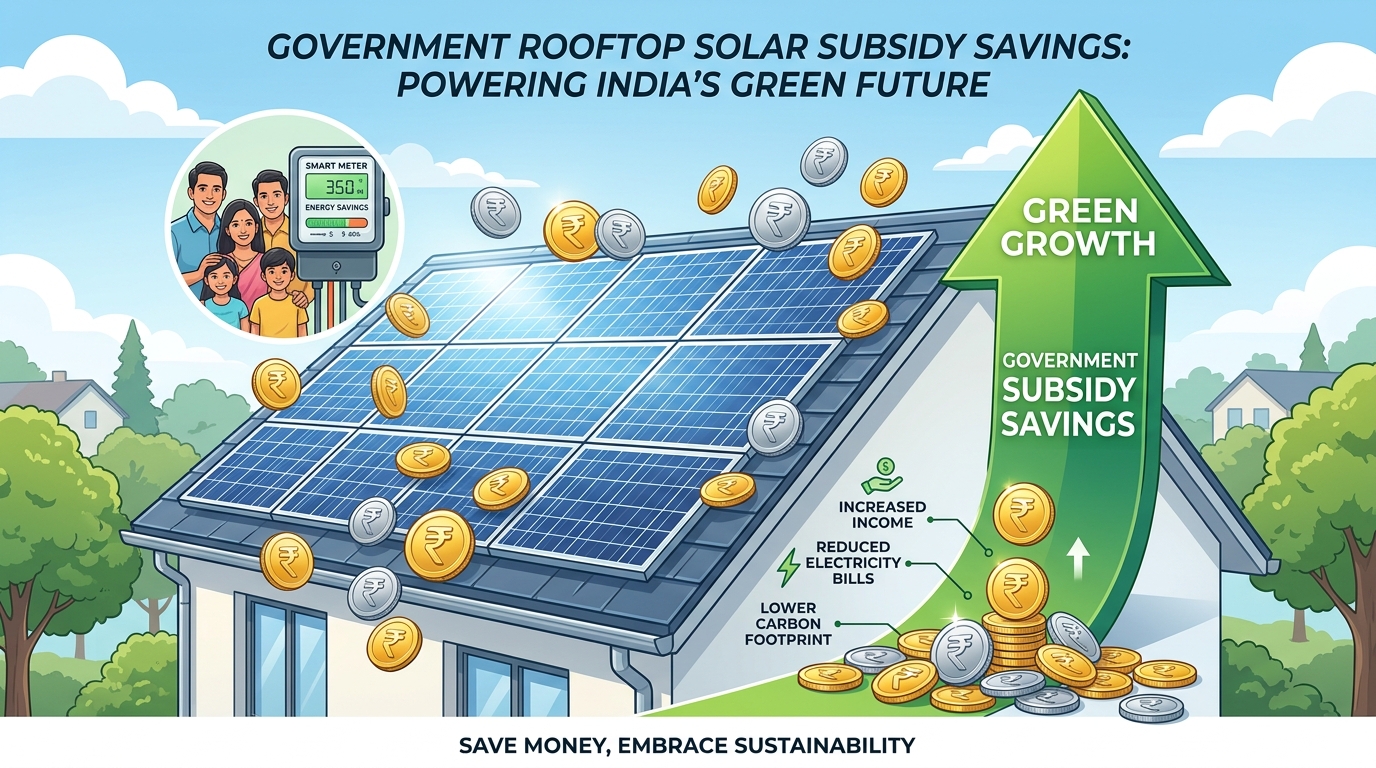
The growing demand for clean energy and rising electricity costs have encouraged millions of homeowners across India to consider rooftop solar systems. However, the upfront installation cost can sometimes discourage adoption, especially for residential users. To accelerate the transition toward renewable energy, the Government of India provides financial assistance in the form of solar subsidies.
A solar subsidy reduces the initial investment required for installing rooftop solar systems, making solar energy more affordable and accessible for households. These incentives are part of the country’s broader strategy to increase renewable energy capacity and reduce dependence on conventional power sources.
Understanding the subsidy structure, eligibility requirements, and application process helps homeowners maximize the benefits available under government programs.
Understanding Solar Panel Subsidy in India
Solar subsidies are financial incentives provided by the government to encourage residential rooftop solar adoption. Instead of paying the full installation cost, eligible consumers receive a portion of the project cost as financial support after successful installation and verification.
These subsidy programs aim to make clean energy accessible to a larger section of society while supporting national renewable energy targets.
As solar technology becomes more affordable, subsidies continue to play an important role in accelerating adoption among middle-income households.
Why Government Provides Solar Subsidies
The Government of India promotes solar adoption for several economic and environmental reasons.
Major objectives include:
- Reducing dependence on fossil fuels
- Lowering carbon emissions
- Improving energy security
- Reducing pressure on electricity infrastructure
- Encouraging domestic solar manufacturing
Increasing rooftop solar capacity also helps reduce transmission losses because electricity is generated close to the point of consumption.
This decentralized energy model improves grid efficiency and reliability.
How Subsidy Reduces Solar Installation Cost
The biggest advantage of subsidy support is a lower upfront investment.
For example:
| Solar Capacity | Approximate Installation Cost | Subsidy Benefit | Effective Cost |
|---|---|---|---|
| 2 kW | Higher initial investment | Government support available | Reduced final cost |
| 3 kW | Moderate investment | Subsidy applicable | Lower customer payment |
| 5 kW | Larger system investment | Partial subsidy support | Improved affordability |
Actual subsidy amounts depend on prevailing government policies and program guidelines.
Reducing initial investment often makes solar financially viable for households that may otherwise postpone installation.
Role of Subsidy in Promoting Renewable Energy
Subsidies have played a significant role in expanding residential rooftop solar adoption throughout India.
Their impact includes:
- Faster market growth
- Increased consumer awareness
- Improved affordability
- Higher renewable energy capacity
- Greater energy independence
Government support also encourages investments in local manufacturing, installation services, and related industries, creating employment opportunities within the renewable energy sector.
Eligibility Criteria for Solar Subsidy
Not all solar installations qualify for government incentives. Understanding eligibility conditions before installation helps avoid disappointment and ensures compliance with official requirements.
Applicants should always verify the latest program guidelines because policies may change periodically.
Who Can Apply for Solar Subsidy
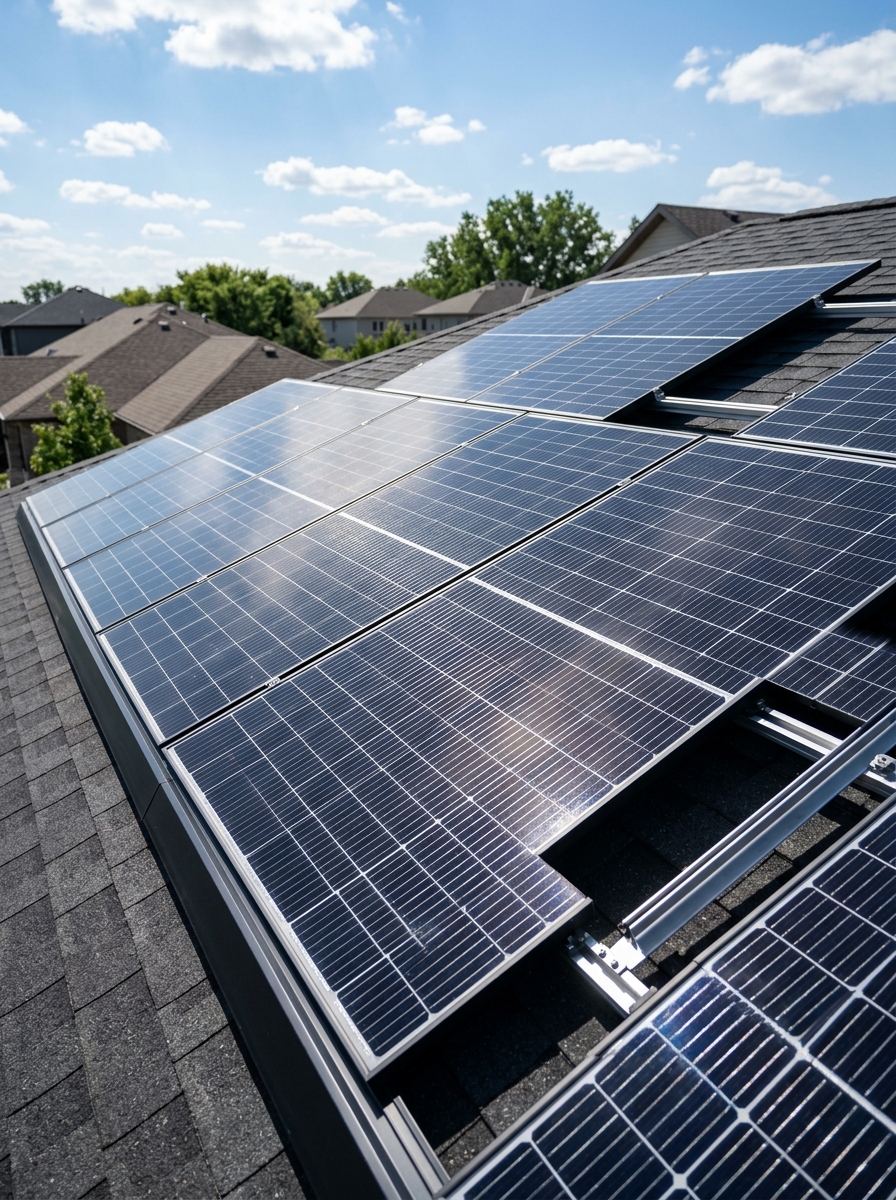
Solar subsidies are primarily intended for residential consumers installing rooftop solar systems for personal electricity consumption.
Eligible applicants generally include:
- Individual homeowners
- Residential housing societies
- Apartment welfare associations
- Group housing projects
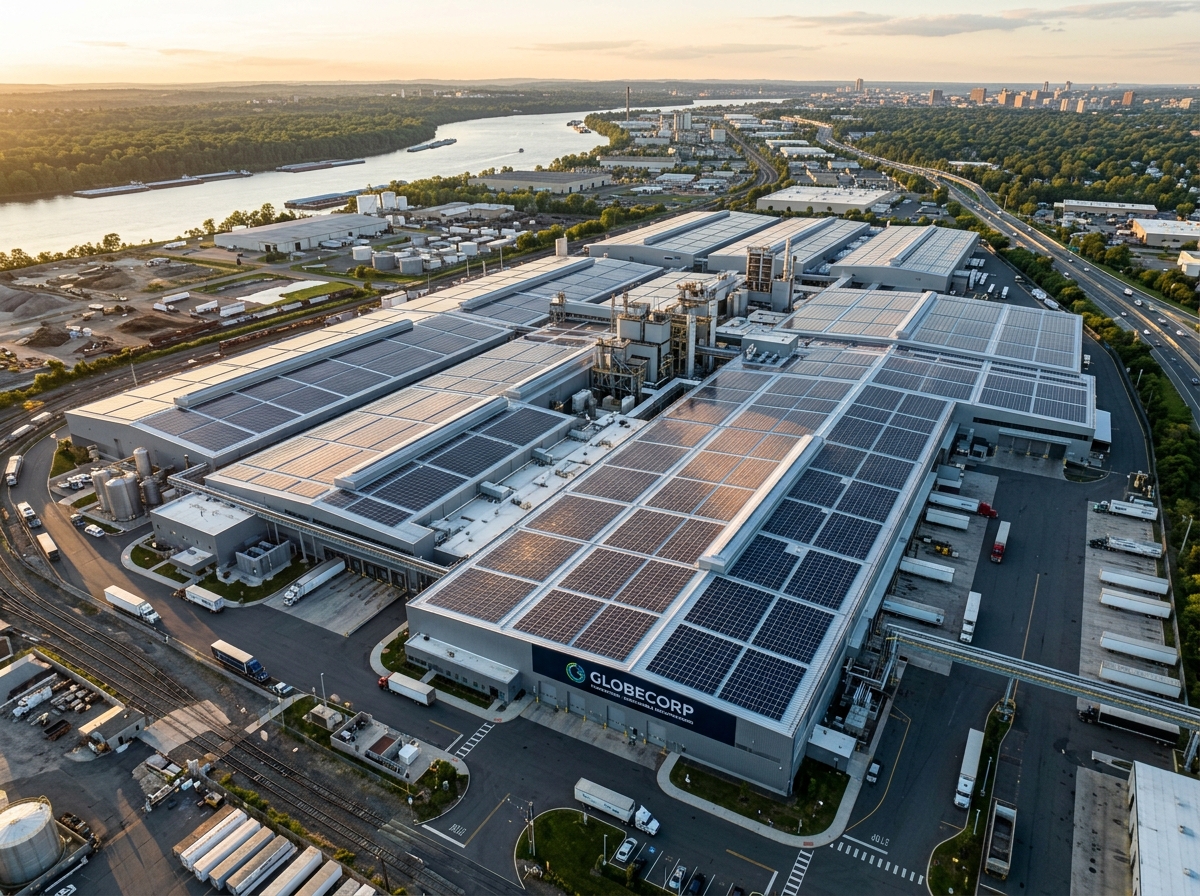
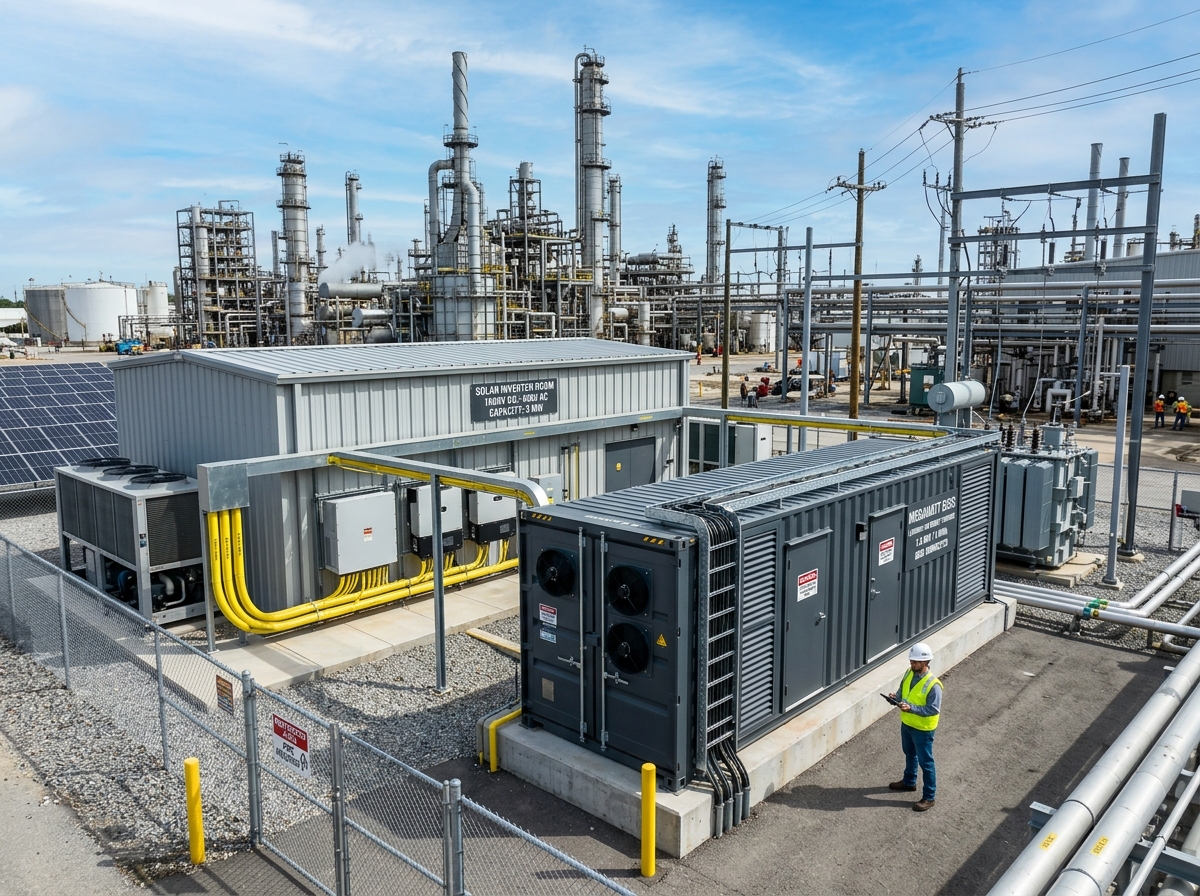
Commercial, industrial, and institutional installations are typically not covered under residential subsidy schemes.
The objective is to support household-level renewable energy adoption rather than large-scale commercial power generation.
Residential Requirements for Subsidy Benefits
Applicants must satisfy several technical and ownership requirements to qualify for financial assistance.
Common requirements include:
- Residential electricity connection
- Ownership or authorization to use the property
- Rooftop suitable for solar installation
- Compliance with utility regulations
- Approved system specifications
Properties with severe shading issues or structural limitations may require additional evaluation before installation.
Meeting technical requirements ensures the solar system performs efficiently over the long term.
Approved Solar Systems and Installers
Government subsidy programs generally require installations to be completed using approved equipment and authorized vendors.
Important requirements often include:
- Certified solar panels
- Approved inverters
- Qualified installation partners
- Compliance with safety standards
- Utility-approved designs
Using non-approved installers or equipment may result in subsidy rejection even if the system is technically functional.
Working with experienced vendors simplifies both installation and subsidy processing.
Solar Subsidy Application Process
Applying for a rooftop solar subsidy has become significantly easier due to the digitization of government services. Most applications are now processed through centralized online platforms, reducing paperwork and improving transparency.
Understanding the process beforehand helps homeowners avoid delays and ensures faster approval.
Steps to Apply for Subsidy Online
The application process generally follows a structured sequence.
Typical steps include:
- Register on the official rooftop solar portal.
- Select an approved installation vendor.
- Submit the solar installation proposal.
- Receive technical approval from the electricity distribution company.
- Complete system installation.
- Apply for inspection and commissioning.
- Receive subsidy after verification and approval.
Many installation companies assist customers throughout this process, simplifying documentation and communication with authorities.
Following the correct sequence is important because installations completed outside approved procedures may not qualify for incentives.
Documents Required for Application
Applicants are usually required to submit several supporting documents during the application process.
Common requirements include:
- Identity proof
- Address proof
- Recent electricity bill
- Property ownership documents
- Bank account details
- Passport-sized photograph
- Installation agreement
- Technical system specifications
Some electricity distribution companies may request additional information depending on local regulations and connection type.
Submitting complete and accurate documents helps speed up approval and verification.
Verification and Approval Process
After installation is completed, authorities verify that the system complies with technical and safety standards.
Verification activities may include:
- Physical inspection of the installation
- Equipment certification checks
- Capacity confirmation
- Net metering verification
- Safety compliance assessment
Following successful verification, subsidy approval is processed and the eligible amount is transferred to the beneficiary according to prevailing government procedures.
Timelines may vary depending on the state, utility provider, and application volume.
Factors Affecting Solar Subsidy Amount
The amount of financial support available under subsidy programs depends on multiple variables. Understanding these factors helps homeowners estimate expected benefits and plan investments more effectively.
Government policies are periodically updated, making it important to review the latest guidelines before installation.
Impact of Solar System Capacity
System size is one of the most important factors influencing subsidy eligibility and amount.
Generally:
- Smaller residential systems receive support under standard subsidy structures.
- Larger systems may have different eligibility conditions.
- Subsidy calculations often depend on approved capacity categories.
Choosing the right capacity ensures users maximize both electricity savings and available financial incentives.
Professional system design can help optimize this balance.
State-Wise Subsidy Differences
Although national programs provide a common framework, implementation may vary across states.
Differences may include:
- Additional state incentives
- Local utility regulations
- Processing timelines
- Documentation requirements
- Technical standards
Some states actively promote rooftop solar through supplementary schemes, while others rely primarily on central government programs.
Applicants should verify local policies before proceeding with installation.
Government Guidelines and Updates
Renewable energy policies continue to evolve as technology costs change and adoption increases.
Important areas subject to updates include:
- Eligible system capacities
- Approved equipment lists
- Vendor requirements
- Financial support levels
- Application procedures
Checking the latest guidelines before installation helps avoid unexpected eligibility issues later in the process.
Benefits of Installing Solar With Subsidy Support
Government incentives significantly improve the financial attractiveness of rooftop solar projects. By lowering initial investment requirements, subsidies make clean energy accessible to a much wider population.
The resulting savings continue throughout the life of the system.
Lower Initial Investment
The largest advantage of subsidy support is a reduction in upfront installation cost.
This offers several benefits:
- Improved affordability
- Easier financing
- Faster purchase decisions
- Increased accessibility for households
Lower capital requirements encourage more families to adopt renewable energy solutions.
This expansion contributes to national sustainability goals while benefiting individual consumers.
Faster Return on Solar Investment
Reducing installation costs directly improves project economics.
Advantages include:
- Shorter payback period
- Higher financial returns
- Improved investment efficiency
- Faster recovery of capital expenditure
Many residential solar systems recover their investment considerably faster when subsidy support is included in financial calculations.
This makes solar one of the most attractive long-term household investments.
Long-Term Electricity Savings
Once installed, solar systems continue generating electricity for decades with relatively low maintenance requirements.
Long-term benefits include:
- Lower monthly electricity bills
- Protection against tariff increases
- Reduced dependence on utility companies
- Improved energy security
Because solar panels typically operate for 25 years or more, cumulative savings can greatly exceed the original investment amount.
The combination of subsidy support and long-term energy savings creates a compelling financial case for rooftop solar adoption.
Conclusion
Solar subsidies have played a major role in accelerating rooftop solar adoption across India by making renewable energy more affordable for residential consumers. By reducing initial installation costs, government incentives improve accessibility and shorten investment recovery periods.
Understanding eligibility requirements, approved installation procedures, and application processes helps homeowners maximize available benefits while avoiding delays or rejections. Since policies and subsidy structures may change periodically, applicants should always verify the latest guidelines before beginning a project.
With rising electricity costs and increasing focus on sustainability, combining rooftop solar with government subsidy support offers both immediate financial benefits and long-term energy savings for Indian households.
FAQs
1. Who is eligible for solar subsidy in India?
Residential consumers installing rooftop solar systems for personal electricity use are generally eligible for subsidy benefits, subject to government guidelines and technical requirements.
2. Can commercial buildings receive solar subsidy?
Most residential subsidy programs are intended for homeowners and residential societies. Commercial and industrial projects generally follow separate incentive structures.
3. Is it mandatory to use approved installers for subsidy?
Yes. Government subsidy programs typically require installation through approved vendors using certified equipment to qualify for financial support.
4. How long does the subsidy approval process take?
Approval timelines vary depending on the state, utility company, and application volume, but the process generally includes technical verification and inspection after installation.
5. Does solar subsidy reduce electricity bills?
The subsidy itself reduces installation cost, while the solar system reduces ongoing electricity expenses through self-generation of power.