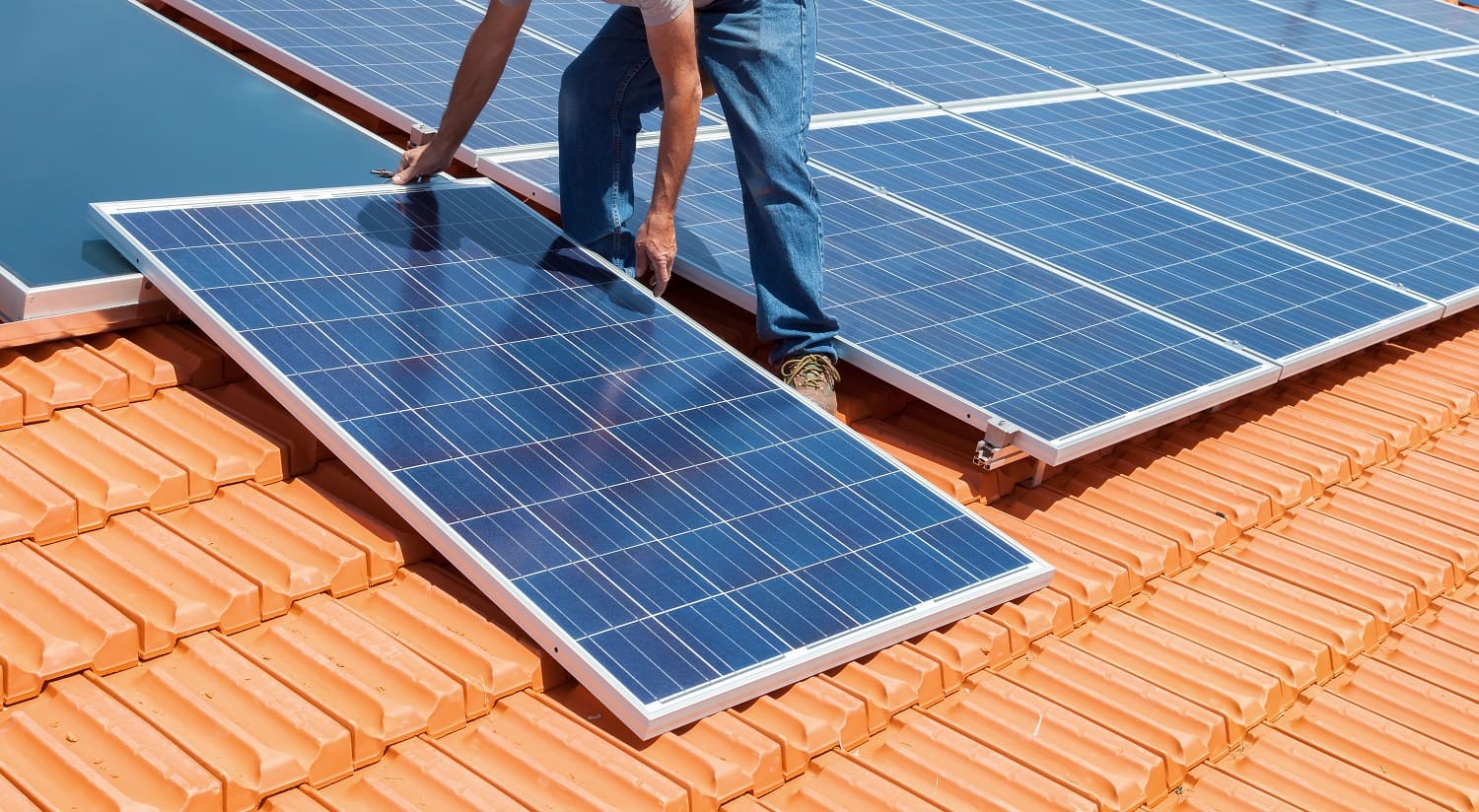
Upgrading to solar energy is a practical way for homeowners and businesses in India to reduce electricity expenses, improve energy independence and support a cleaner environment. However, successful solar panel installation requires careful planning, from evaluating electricity consumption and rooftop conditions to selecting suitable equipment and understanding available financial incentives. Choosing a reliable solar solution involves more than comparing panel prices. System capacity, inverter efficiency, installation quality, warranties and long-term maintenance all influence performance and savings. By evaluating these factors before investing, property owners can make informed decisions and select a solar power system that meets their energy requirements.
What Should You Evaluate Before Installing Solar Panels?
Understand Your Electricity Consumption and Energy Requirements
The first step is to understand how much electricity your property consumes. Review electricity bills from the previous 12 months to identify average monthly usage, seasonal variations and changes in electricity expenses.
Your consumption pattern helps determine the appropriate solar system capacity. A household with moderate electricity usage may require a different system from a property with air conditioners, water pumps, electric vehicle charging or other energy-intensive appliances.
Consider future requirements as well. If you plan to expand your business, purchase additional appliances or install an electric vehicle charger, discuss these needs during system planning.
The objective is to select a system that balances installation cost with expected electricity generation. An undersized system may deliver limited savings, while an oversized installation may increase the upfront investment without providing proportional financial benefits.
Assess Rooftop Space, Sunlight and Installation Conditions
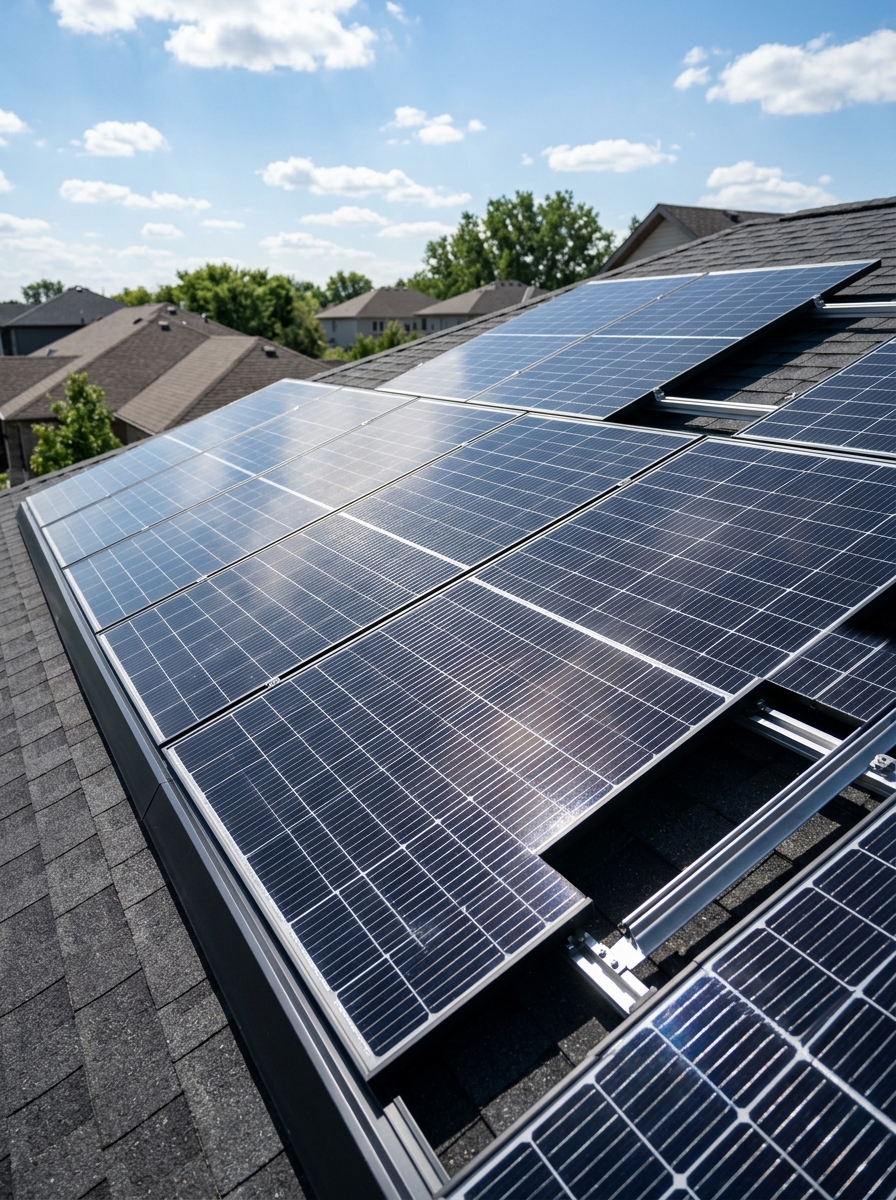
Available roof space directly affects the size and layout of a rooftop solar system. Before installation, assess the usable area, roof orientation, shading, structural condition and accessibility for maintenance.
Nearby buildings, trees, water tanks and other obstructions can reduce sunlight exposure and affect electricity generation. A professional site assessment can identify these issues and help determine suitable panel placement.
In Jaipur and other parts of Rajasthan, solar installations should also account for dust accumulation, high summer temperatures and local wind conditions. Appropriate mounting structures, cable routing and panel placement help support safe, reliable operation.
A site assessment should establish whether the roof can accommodate the proposed equipment and whether any structural improvements are necessary before installation begins.
How to Choose the Right Solar Panels and Equipment
Compare Solar Panel Quality, Efficiency and Warranty
Selecting the right solar panels is an important part of upgrading to solar energy. Panel efficiency, rated output, temperature performance, degradation characteristics and warranty coverage can influence the system’s long-term value.
Higher-efficiency panels can be beneficial when rooftop space is limited because they may generate more electricity within the available area. However, efficiency should not be the only selection criterion. Product quality, compatibility, manufacturer support and the total installed cost also matter.
Adani Solar is one brand that buyers may consider when comparing available solar modules. Rather than relying on brand reputation alone, review the specific product’s technical specifications, applicable certifications, warranty terms and suitability for your installation.
Check both product and performance warranties before purchasing. Also confirm who will handle warranty claims and whether replacement equipment and local service support are available.
Select a Suitable Solar Inverter and System Configuration
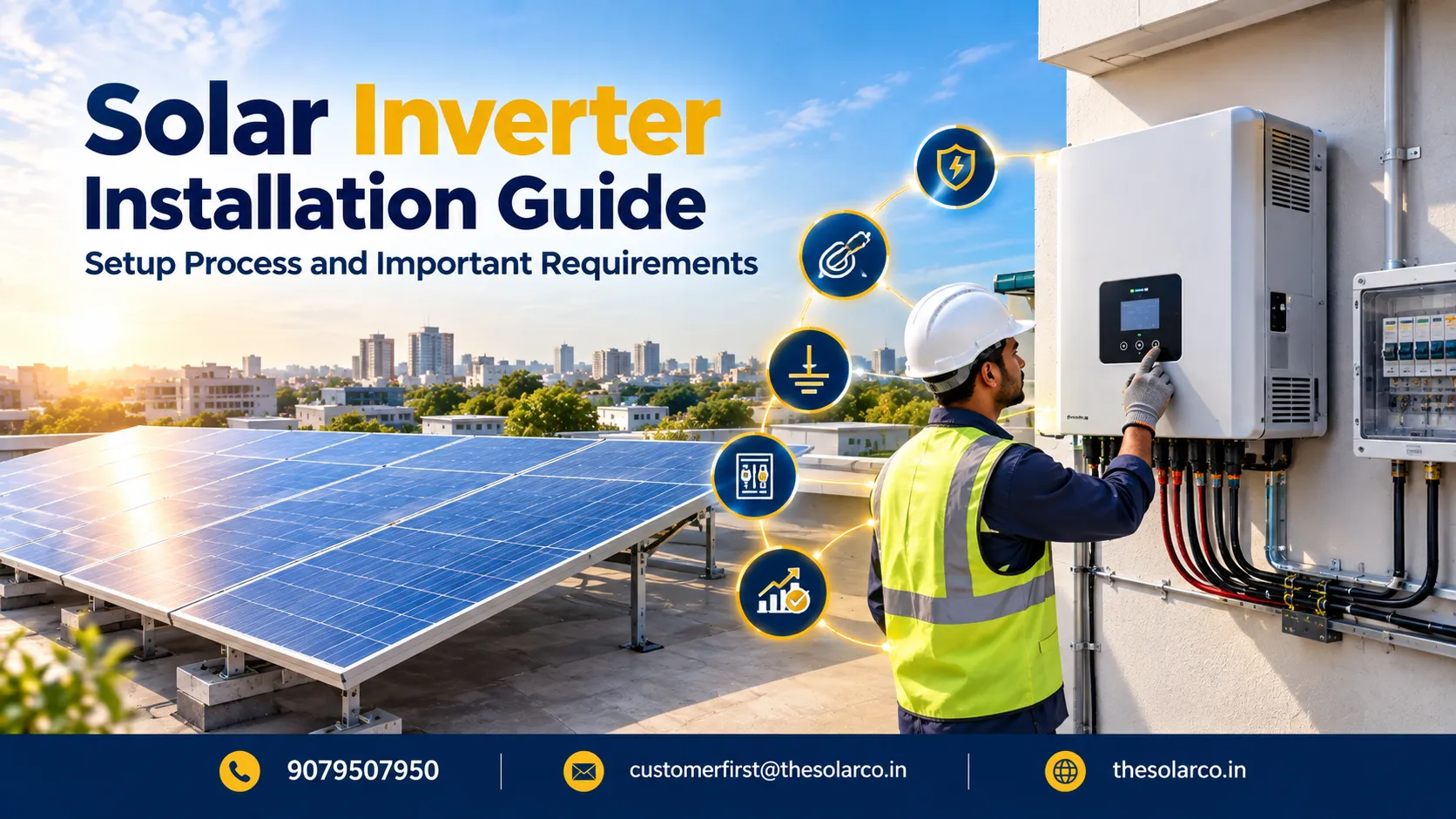
A solar inverter converts the direct current generated by solar panels into alternating current used by most household and commercial appliances. Its capacity and compatibility should match the proposed solar array and electrical requirements.
The main system configurations serve different purposes:
- On-grid solar: Connects to the electricity grid and is generally suitable where grid power is available and battery backup is not required.
- Off-grid solar: Operates independently of the grid and typically requires battery storage.
- Hybrid solar: Combines grid connectivity with battery storage and suitable backup functionality.
For many urban properties, an on-grid rooftop solar system can be a practical starting point. However, properties experiencing frequent power interruptions may need to evaluate a hybrid configuration.
Battery storage can provide electricity during outages when the system is designed for backup operation, but it increases the initial investment. Compare the additional cost with your actual backup requirements before deciding.
Explore residential rooftop solar solutions to understand the types of installations that may suit your property’s electricity needs.
What Are the Costs, Subsidies and Installation Requirements?
Understand Solar Panel Cost and Available Financial Incentives
Solar panel cost depends on several factors, including system capacity, module specifications, inverter selection, mounting structures, wiring, installation labour and additional electrical work.
Request an itemised quotation rather than comparing installations solely by their advertised price. Check whether the quoted amount includes mounting equipment, protection devices, installation, commissioning, metering-related work and applicable taxes.
Residential customers should also investigate the current eligibility conditions under the PM Surya Ghar: Muft Bijli Yojana. The applicable solar panel subsidy depends on the scheme’s rules, eligible installation capacity and required procedures. Commercial and industrial customers should not assume that residential subsidy benefits apply to their projects.
Before including an incentive in your budget, verify the current provisions and any required installation or vendor conditions. Calculate your expected investment after accounting for benefits you are eligible to receive.
Also evaluate financing options, maintenance expenses and potential electricity bill savings. A realistic financial assessment helps you understand the likely recovery period without relying on guaranteed savings claims.
Choose Professional Installation and Check Safety Requirements
Proper installation is essential for system performance, electrical safety and equipment durability. Work with an experienced solar installer who can assess the site, design the system and explain the installation process.
Before approving a proposal, check that the installation plan addresses:
- Secure mounting structures suitable for the roof.
- Correctly rated cables, connectors and protection devices.
- Appropriate earthing and surge protection.
- Required electrical approvals and grid connection procedures.
- Safe access for maintenance and equipment inspection.
- System testing and commissioning after installation.
For grid-connected installations, confirm the applicable requirements of the local electricity distribution company and relevant regulations.
A reliable installer should provide clear documentation covering the equipment supplied, installation scope, warranties and expected system performance. This information makes it easier to evaluate the quality of the installation and resolve issues later.
How to Maximise Solar Savings and Long-Term Performance
Maintain the System and Monitor Electricity Generation
Solar systems generally require less routine maintenance than many conventional power-generation technologies, but periodic inspection remains important.
Dust accumulation can reduce panel output, particularly in dry and dusty regions. Clean panels when necessary, following manufacturer recommendations and safe cleaning practices. Avoid climbing onto rooftops or handling electrical equipment without appropriate training.
Monitoring tools supplied with many modern inverters can help track daily generation, monthly output and system alerts. Compare actual performance with expected generation under similar weather conditions. A sudden decline may indicate shading, equipment problems, damaged connections or another issue requiring investigation.
Regular inspections can also help identify mounting problems, cable damage and corrosion before they become more serious.
When selecting equipment, consider the availability of technical support and replacement components. Reliable after-sales service can make long-term system ownership easier.
Reduce Your Environmental Impact While Improving Energy Efficiency
Solar energy generates electricity without the direct combustion of fossil fuels during operation. By reducing grid electricity consumption, a suitably designed solar installation can help lower the emissions associated with a property’s electricity use.
The environmental benefit depends on the electricity source being displaced, system performance and the lifecycle impacts of manufacturing and installing the equipment.
Property owners can improve the value of their solar investment by combining renewable generation with energy-efficient appliances and better electricity management. Running flexible appliances during daylight hours can increase direct solar consumption, while reducing unnecessary electricity usage lowers overall demand.
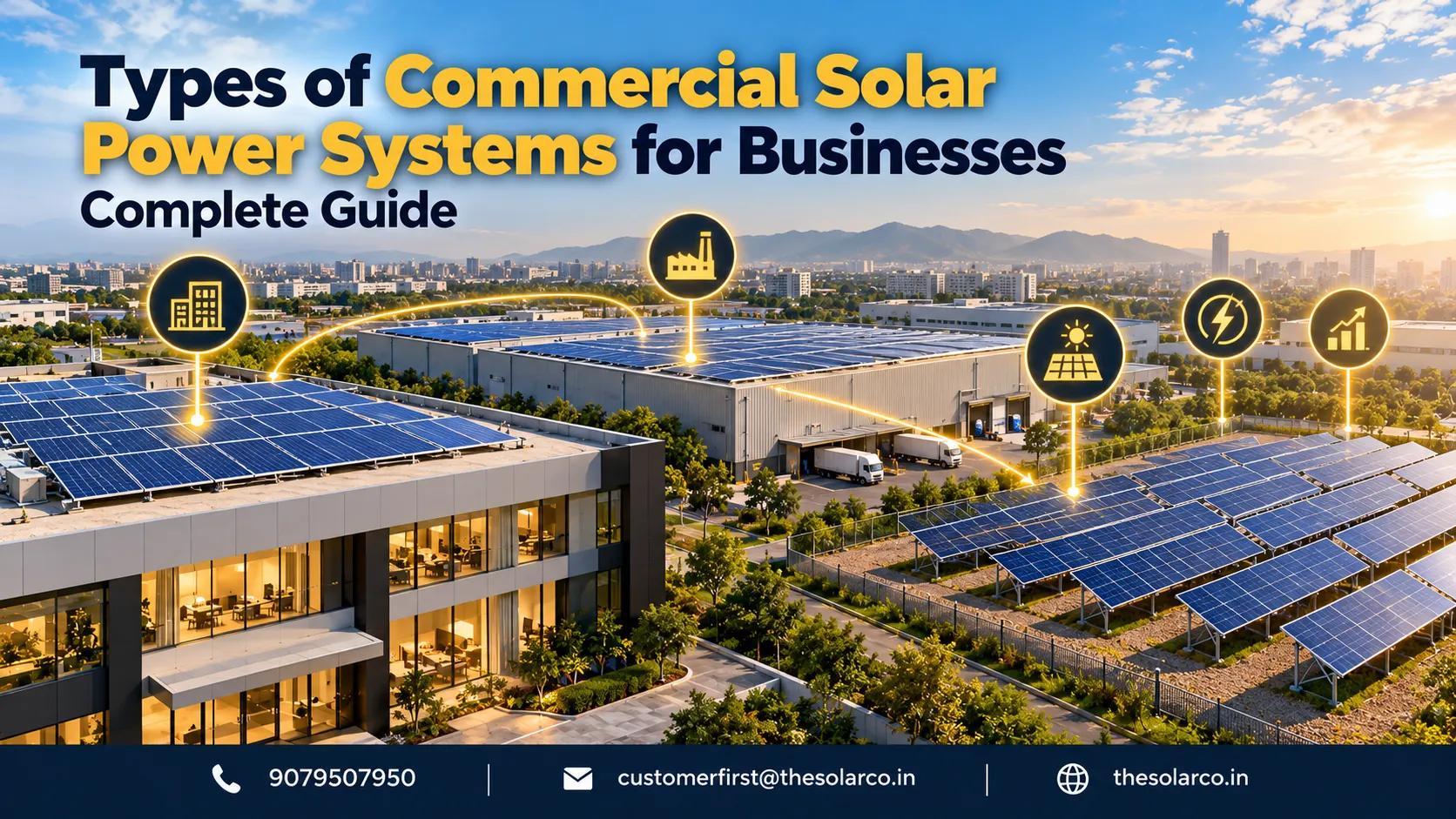
Businesses may also consider solar as part of broader sustainability and energy-management objectives. The commercial and institutional solar power solutions available for larger properties provide a relevant starting point for evaluating installations beyond individual homes.
Ultimately, the best solar system is one that fits the property’s energy requirements, available space and financial objectives. Careful planning, suitable equipment, professional installation and consistent monitoring can help homeowners and businesses make better use of solar energy over the system’s operating life.
Upgrading to solar energy is a long-term decision, and the right preparation can make the process more predictable. By evaluating consumption, comparing equipment, understanding costs and planning for maintenance, property owners can select a solar installation that supports their electricity needs while contributing to a more sustainable energy future.