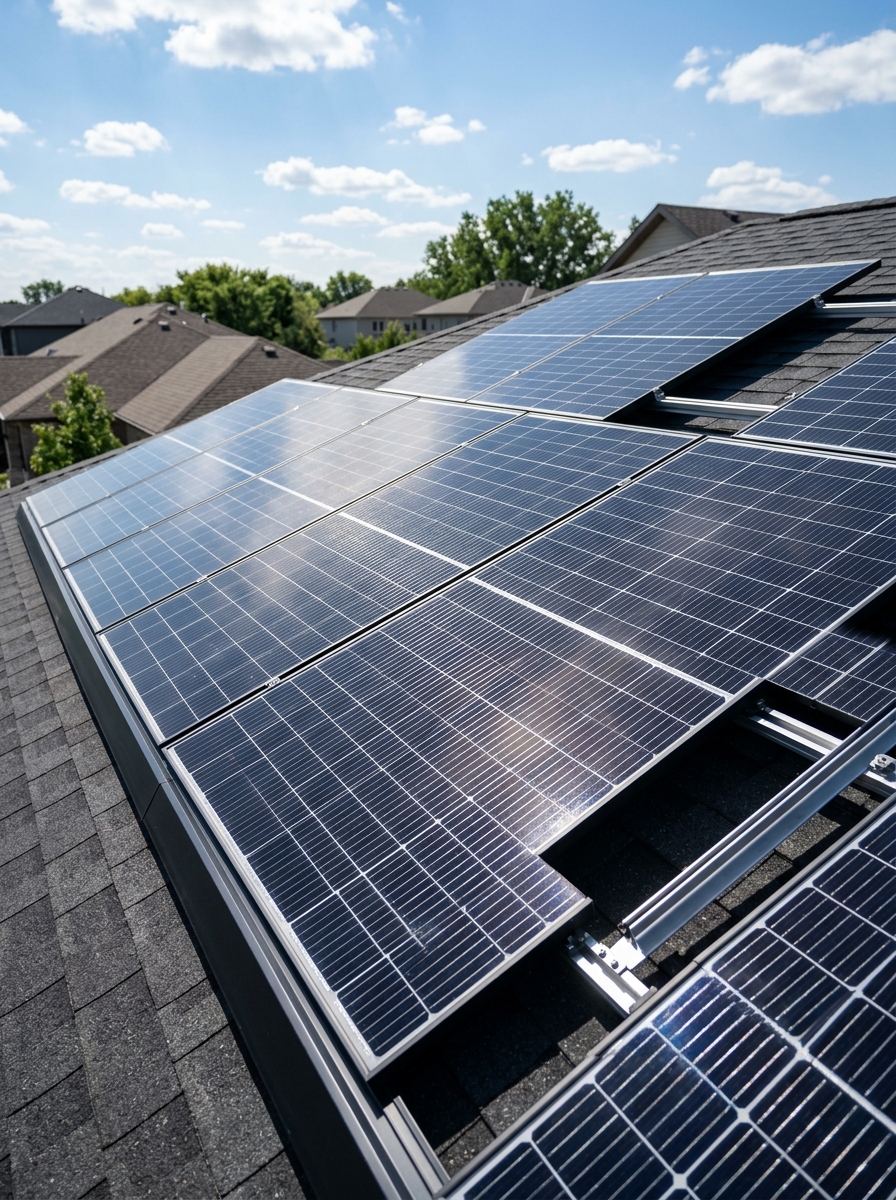
Solar power systems are designed to generate electricity for many years, but their long-term performance depends on more than the initial installation. Regular monitoring, inspections, preventive maintenance, equipment servicing, and timely problem resolution are important for keeping a solar system operating reliably.
Solar O&M, or Solar Operation and Maintenance, refers to the activities performed to monitor, operate, inspect, maintain, and optimize a solar power system throughout its operating life.
A proper O&M program helps property owners understand whether their system is generating electricity as expected and whether any component requires attention.
Solar O&M can include:
- Performance monitoring
- Energy generation analysis
- Equipment inspections
- Preventive maintenance
- Corrective maintenance
- Inverter servicing
- Electrical inspections
- Cleaning coordination
- Fault detection
- Performance reporting
For residential systems, O&M may be relatively simple. Commercial and utility-scale solar installations generally require a more structured approach because they contain more equipment and have greater financial implications when production is interrupted.
Understanding Solar O&M Services
Solar O&M services are designed to maintain the operational condition and performance of a solar installation.
Depending on the system, an O&M service provider may monitor energy generation remotely and conduct scheduled physical inspections.
Typical activities can include:
- Monitoring system performance
- Reviewing generation data
- Identifying abnormal performance
- Inspecting equipment
- Performing preventive maintenance
- Responding to faults
- Documenting service activities
- Reporting system performance
The exact scope depends on the size, technology, location, and configuration of the solar installation.
For businesses, professional O&M can be particularly valuable because consistent energy generation is directly connected to the expected financial benefits of the solar investment.
Difference Between Operation and Maintenance
Operation and maintenance are related but represent different activities.
Operation focuses on monitoring and managing the solar system while it is generating electricity. It includes reviewing system status, tracking energy production, monitoring alarms, and identifying unusual operating conditions.
Maintenance focuses on keeping the equipment in appropriate working condition. It can include inspections, cleaning, preventive servicing, component checks, and corrective repairs.
Together, they create a complete approach to solar system management.
Importance of Professional Solar Management
A solar system may appear simple from the outside, but it contains multiple interconnected components.
These can include:
- Solar modules
- Inverters
- Cables
- Connectors
- Mounting structures
- Monitoring equipment
- Electrical protection devices
A problem in one component can influence overall system performance.
Professional management provides a structured way to monitor these components, identify potential issues, and arrange appropriate corrective action.
Key Activities Included in Solar O&M
A comprehensive O&M program combines monitoring, inspection, preventive maintenance, and corrective action.
Performance Monitoring and Reporting
Performance monitoring is one of the most important O&M activities.
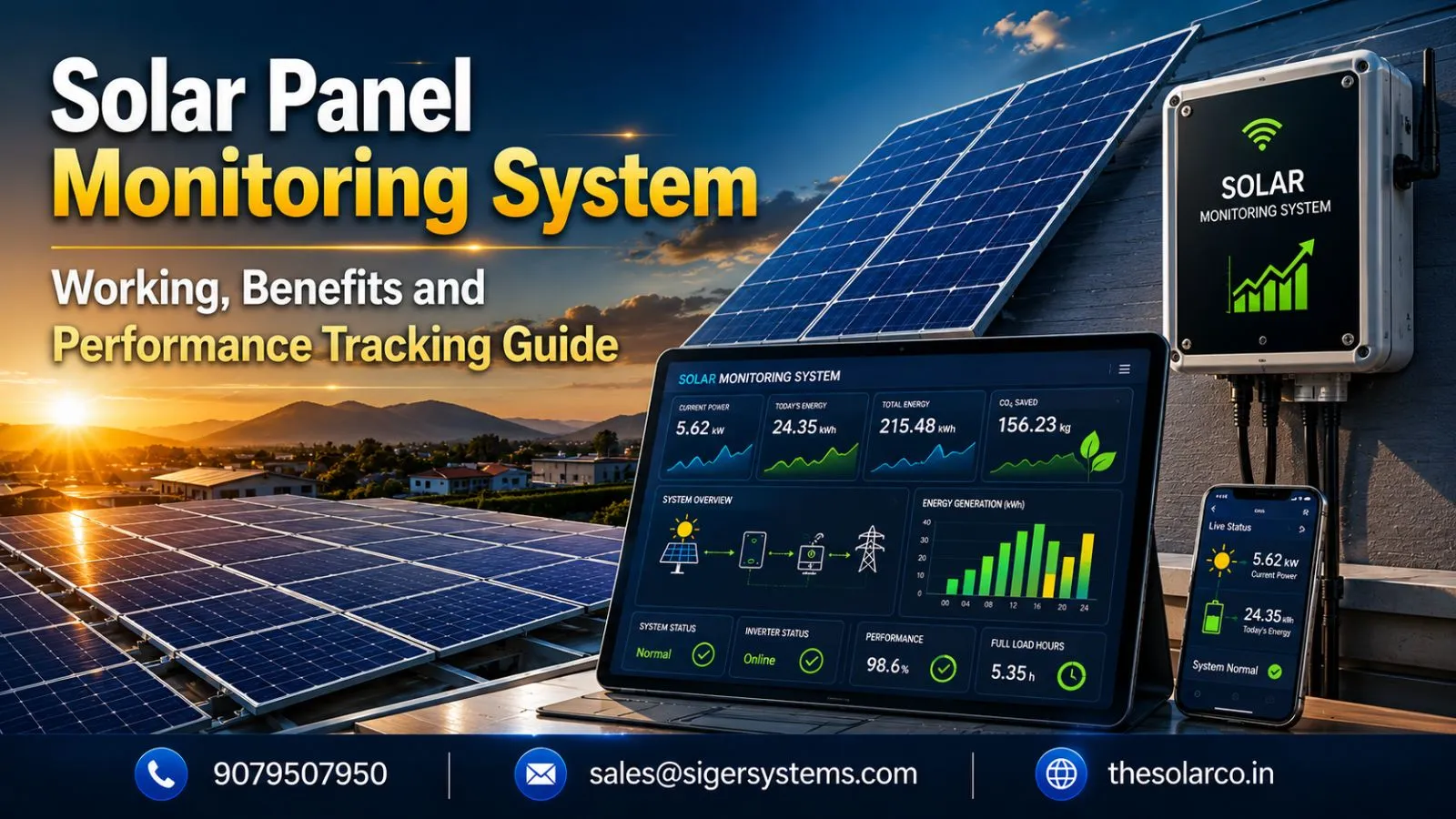
Monitoring platforms can provide information about:
- Energy generation
- System availability
- Inverter status
- Daily production
- Monthly production
- Performance trends
- System alerts
Historical data is particularly useful.
Instead of looking at a single day’s generation, an O&M team can compare performance over longer periods and investigate unusual deviations.
For example, if one section of a commercial solar installation consistently produces less electricity than comparable sections, further investigation may be required.
Regular reporting can also help property owners understand how their solar investment is performing.
Equipment Inspection and Servicing
Physical equipment inspections complement remote monitoring.
Depending on the system, professional inspections may include:
- Solar panels
- Inverters
- DC and AC cables
- Connectors
- Mounting structures
- Earthing systems
- Electrical protection equipment
- Monitoring devices
Technicians can look for signs of physical damage, corrosion, loose components, overheating, or other abnormalities.
The frequency of inspection depends on the system size, equipment, location, operating environment, and service agreement.
Preventive Maintenance Activities
Preventive maintenance focuses on addressing potential issues before they cause significant operational problems.
Activities may include:
- Scheduled equipment inspection
- Panel cleaning where required
- Electrical connection checks
- Inverter inspection
- Cable inspection
- Mounting structure checks
- Monitoring system verification
- Performance analysis
The objective is not simply to repair equipment after failure.
Instead, preventive maintenance aims to maintain system reliability and identify developing problems early.
This approach can be especially valuable for commercial solar installations where extended downtime can affect expected energy savings.
Benefits of Professional Solar O&M Services
A well-managed O&M program can provide both operational and financial benefits.
Improving Energy Generation
The purpose of a solar system is to generate electricity consistently.
Performance monitoring and maintenance help identify conditions that may reduce generation.
Potential causes of lower output can include:
- Dirt accumulation
- Shading
- Inverter faults
- Electrical problems
- Damaged panels
- Communication failures
- Equipment degradation
An O&M team can investigate these issues and coordinate appropriate corrective action.
It is important to note that O&M cannot eliminate natural factors such as clouds, rainfall, seasonal changes, or normal equipment degradation.
Instead, the goal is to minimize avoidable performance losses.
Reducing Unexpected Downtime
Equipment failure can temporarily reduce or stop electricity generation.
Without monitoring, a fault may remain unnoticed until someone manually checks the system.
Remote monitoring can provide alerts when certain abnormal conditions occur.
Early notification allows the service team to investigate the issue and determine the appropriate response.
Reducing unnecessary downtime is particularly important for large commercial and industrial systems where every period of lost generation can have a financial impact.
Increasing System Lifespan
Regular maintenance can help protect solar equipment from avoidable problems.
For example, identifying corrosion, damaged cables, loose mounting components, or inverter issues early may allow corrective action before the problem becomes more serious.
Proper maintenance does not stop normal aging, but it can support the long-term reliability of the system.
This can help property owners get more value from their solar investment over its operating life.
Solar O&M for Residential and Commercial Systems
O&M requirements vary significantly depending on the size and complexity of a solar installation.
Home Solar Maintenance Requirements
Residential rooftop systems generally have fewer components and lower operational complexity than commercial solar plants.
Basic residential O&M may include:
- Generation monitoring
- Visual inspection
- Panel cleaning when required
- Inverter status checks
- Periodic equipment inspection
- Electrical safety checks
Homeowners can monitor their generation through available applications or monitoring platforms.
If the system shows persistent performance issues or technical faults, professional assistance should be requested.
Large-Scale Solar Plant Management
Large solar plants require more comprehensive O&M programs because of their scale.
A utility or large commercial installation may contain thousands of modules, multiple inverters, extensive cabling, monitoring equipment, and complex electrical infrastructure.
O&M activities can therefore involve:
- Centralized monitoring
- Scheduled inspections
- Performance analysis
- Preventive maintenance
- Fault response
- Inverter servicing
- Electrical testing
- Vegetation management where applicable
- Cleaning management
- Detailed reporting
Large systems may also use performance indicators to evaluate availability and identify underperforming sections.
Different Maintenance Approaches
There is no single O&M strategy suitable for every solar project.
A small rooftop system may need periodic inspections and basic monitoring, while a large commercial installation may require continuous remote monitoring and scheduled site visits.
Factors influencing the O&M approach include:
- System capacity
- Equipment type
- Site conditions
- Climate
- Dust exposure
- Accessibility
- System age
- Energy requirements
- Warranty requirements
For solar installations in India, local environmental conditions should also be considered when developing an O&M plan.
For example, systems exposed to significant dust or pollution may require more frequent cleaning and inspection.
How Solar O&M Improves Long-Term Solar Performance
Solar O&M should not be viewed simply as a repair service. It is a long-term performance management process.
Early Problem Detection
One of the biggest advantages of structured O&M is the ability to identify problems early.
Monitoring data can reveal unusual generation patterns before a visible equipment failure occurs.
For example, a gradual reduction in production from one inverter may indicate a developing technical issue.
Early investigation can help determine whether the cause is related to:
- Equipment
- Electrical connections
- Shading
- Soiling
- Communication
- Environmental conditions
The sooner a genuine issue is identified, the sooner appropriate action can be taken.
Better System Reliability
Reliability means having confidence that the solar system will continue operating as expected.
Regular inspections, preventive maintenance, monitoring, and timely corrective work all contribute to this objective.
A structured O&M plan also creates maintenance records that can help track recurring problems and equipment history.
This information can support better maintenance decisions over time.
Maximizing Return From Solar Investment
Solar installations are long-term investments.
The financial value of a system depends partly on how effectively it generates electricity over its operating life.
Poor monitoring or prolonged equipment downtime can reduce expected production.
Professional O&M helps property owners focus on maintaining system availability, identifying performance losses, and addressing technical issues efficiently.
The result is a more proactive approach to protecting the expected value of the solar investment.
Solar O&M Checklist for Property Owners
A basic O&M program can include the following activities:
| O&M Activity | Purpose |
|---|---|
| Performance monitoring | Track electricity generation |
| Inverter monitoring | Identify operating faults |
| Panel inspection | Detect visible damage and soiling |
| Panel cleaning | Remove excessive dirt when required |
| Cable inspection | Identify damage or deterioration |
| Mounting inspection | Check structural condition |
| Electrical inspection | Support system safety |
| Fault response | Reduce downtime |
| Performance reporting | Track long-term trends |
| Preventive maintenance | Address potential issues early |
The exact checklist should be customized according to the solar system’s size, technology, location, and manufacturer recommendations.
For residential and commercial solar owners across India, having a documented maintenance plan can make system management more predictable and organized.
Final Thoughts
Solar O&M is an important part of managing a solar installation throughout its operating life. Installation quality determines how a system starts, but ongoing operation and maintenance influence how reliably it performs over the years. Performance monitoring, equipment inspections, preventive maintenance, cleaning, fault detection, and timely corrective action can help reduce avoidable losses and maintain system reliability. The right O&M strategy depends on system capacity, equipment, location, environmental conditions, and the owner’s energy requirements.
For homeowners, basic monitoring combined with periodic professional inspections may be sufficient for many systems. Commercial and large-scale solar installations generally benefit from structured O&M programs with remote monitoring, scheduled site inspections, detailed reporting, and defined fault-response procedures. In India, factors such as dust, heat, pollution, and seasonal weather should also be considered. A proactive O&M approach helps property owners detect problems earlier, reduce unnecessary downtime, and protect the long-term performance and value of their solar investment.
Frequently Asked Questions About Solar O&M
1. What is solar O&M?
Solar O&M stands for Solar Operation and Maintenance. It includes activities such as performance monitoring, equipment inspection, preventive maintenance, cleaning, fault detection, servicing, and corrective repairs designed to keep a solar system operating reliably.
2. Why is solar O&M important?
Solar O&M helps identify performance problems, reduce avoidable downtime, maintain equipment, and support long-term system reliability. Regular monitoring and maintenance can also help property owners protect the expected value of their solar investment.
3. What does a solar O&M service include?
Depending on the service agreement, solar O&M can include remote performance monitoring, generation reporting, equipment inspections, panel cleaning, inverter checks, electrical inspections, preventive maintenance, fault response, and corrective repairs.
4. Is solar O&M required for residential systems?
Residential systems generally require less extensive O&M than commercial or utility-scale installations, but monitoring and periodic inspection are still useful. Cleaning, inverter checks, visual inspections, and professional electrical assessments can help maintain reliable operation.
5. How does O&M improve solar system performance?
O&M supports performance by identifying issues such as equipment faults, excessive soiling, electrical problems, and abnormal generation patterns. Early detection allows problems to be investigated and addressed before they potentially result in prolonged downtime or larger losses.