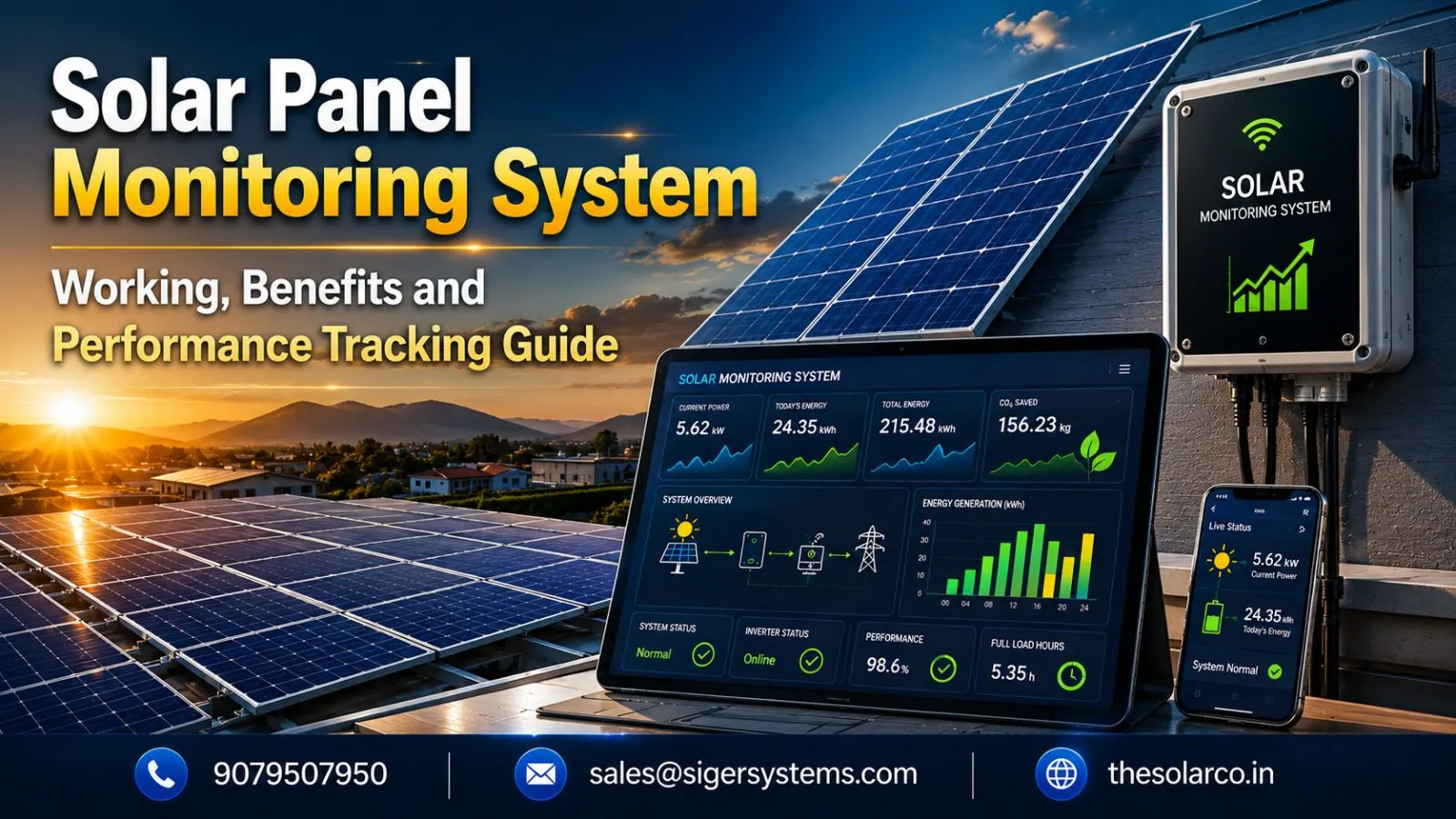
A solar panel monitoring system helps homeowners and businesses understand how their solar installation performs over time. Instead of relying only on electricity bills or occasional physical inspections, users can review energy generation, inverter status, system alerts and historical performance through a web dashboard or mobile application.
Monitoring is valuable because solar panels can appear normal even when the system is producing less electricity than expected. Changes in shading, panel soiling, equipment faults or communication problems may affect performance without being immediately visible from the ground.
Modern monitoring solutions range from basic inverter applications for residential rooftops to advanced platforms for commercial installations. The right option depends on system size, inverter compatibility, energy management requirements and the level of detail needed.
What Is a Solar Panel Monitoring System and How Does It Work?
Understanding Solar Performance Monitoring
Solar performance monitoring involves collecting and analysing operational data from a solar installation. Depending on the equipment, users may be able to see current power output, daily energy generation, monthly production, inverter status and historical trends.
Some systems also track household or commercial electricity consumption, grid imports and exports, and battery activity. These additional features provide a broader picture of how generated electricity is being used.
For example, a homeowner may notice that solar generation is strongest around midday while electricity consumption peaks in the evening. This information can help the household understand its energy usage and evaluate whether shifting suitable electricity-consuming activities to daylight hours would be practical.
How Solar Monitoring Systems Collect Data
The inverter is usually a primary source of operational information. A communication device or built-in connectivity feature transmits supported data to the monitoring platform, where it is displayed in an accessible format.
A typical monitoring process follows this sequence:
Solar panels → Inverter → Communication network → Monitoring platform → Dashboard or mobile app
Depending on the installation, additional meters, sensors or monitoring devices may provide information about electricity consumption, grid interaction, environmental conditions or individual panel performance.
Monitoring features differ between manufacturers and equipment models. Some systems provide only total generation data, while others support inverter-level, string-level or module-level visibility.
Real-Time Data and Historical Performance
Real-time or near-real-time data can help users recognise changes sooner, while historical records help them understand whether those changes are unusual.
For example, a sudden production decline on a sunny day may justify investigation, whereas lower generation during cloudy weather may be expected. Comparing similar periods and accounting for seasonal conditions makes performance reviews more meaningful.
Monitoring platforms may also retain alerts, historical generation and system status records. These records can support maintenance planning and help service teams investigate recurring issues.
Key Benefits of Solar Panel Monitoring
Early Identification of Performance Issues
One of the main benefits of solar monitoring is improved visibility into potential problems. Depending on the system’s capabilities, alerts may indicate inverter faults, communication interruptions or unexpected changes in energy generation.
Possible causes of reduced output include:
- Dust accumulation or persistent soiling
- New shading from trees or nearby construction
- Inverter or electrical equipment faults
- Wiring problems
- Weather-related variations
- Monitoring communication failures
An alert is an indication that something may need attention, not always a confirmed diagnosis. A qualified technician may need to inspect the equipment to determine the actual cause.
Better Energy Management and System Efficiency
Monitoring generation alongside consumption can help users understand when solar electricity is available and how it aligns with their energy needs.
For example, a business may discover that certain operations run during periods of lower solar production. Where operationally practical, adjusting schedules could help the business use more of its generated electricity directly.
Monitoring can also help identify persistent performance differences that deserve further investigation. It cannot eliminate system losses, but it provides useful evidence for reviewing shading, cleaning requirements, inverter operation and maintenance needs.
For organisations exploring larger installations, commercial and institutional solar project solutions can be considered alongside their operational and energy-management requirements.
Improved Maintenance Planning and Investment Visibility
A solar installation is a long-term investment, and performance records can help owners understand how it behaves throughout its operating life.
Monitoring information can support maintenance decisions, service scheduling, troubleshooting and the review of expected energy savings. For commercial systems, it can also help facility teams identify recurring faults and coordinate service responses.
However, monitoring does not replace physical inspections or guarantee a particular level of savings. Its value comes from making system behaviour easier to observe and investigate.
Types of Solar Monitoring Systems and Features to Consider
Inverter-Based Monitoring and Mobile Applications
Many modern inverters support monitoring through a manufacturer’s application or web portal. These solutions can be suitable for homeowners who primarily want to review generation, system status and basic alerts.
Before relying on an application, check whether the inverter supports monitoring, whether any additional communication hardware is required and whether a stable internet connection is available.
Also review how historical data is stored, which alerts are supported and whether the monitoring features are included with the equipment or require a separate subscription.
Consumption Monitoring and Advanced System Monitoring
Generation-only monitoring shows how much electricity a solar system produces. It does not necessarily show how much electricity a property consumes, how much is imported from the grid or how much is exported.
Consumption monitoring may require compatible energy meters or additional sensors. When configured correctly, it can help users understand the relationship between solar generation, household or business demand, and grid electricity.
Larger commercial installations may need more detailed monitoring, including inverter-level or string-level data, weather measurements, centralised dashboards and reporting features. Advanced platforms may also support SCADA—Supervisory Control and Data Acquisition—for centralised monitoring and control where the system is engineered for those functions.
The additional complexity should match the project’s needs rather than being selected simply because a platform offers more features.
How to Choose the Right Monitoring Solution
Before choosing a solar monitoring system, review these practical requirements:
| Feature | What to consider |
|---|---|
| Equipment compatibility | Confirm support for the installed inverter and other components |
| Data visibility | Check whether generation, consumption or more detailed equipment data is available |
| Alerts | Understand which faults or abnormal conditions can trigger notifications |
| Historical records | Review data retention, reporting and export options |
| Connectivity | Confirm Wi-Fi, wired network or other communication requirements |
| Ease of use | Ensure the dashboard is understandable for the intended users |
| Service support | Check who will investigate alerts and arrange repairs |
| Cost | Review any hardware, subscription or ongoing service charges |
For homes, a straightforward application may provide sufficient visibility. Commercial properties managing several inverters or sites may benefit from centralised reporting and more detailed analysis.
How to Track Solar Performance and Troubleshoot Common Issues
Important Metrics to Review Regularly
A monitoring dashboard can display many figures, but the most useful metrics depend on the system and the decisions users need to make.
- Power output (kW): The electricity being generated at a particular moment.
- Energy generation (kWh): The electricity produced over a selected period.
- Generation history: Daily, monthly and annual production trends.
- System availability: Information about when equipment is operational, where supported.
- Performance ratio: A technical measure comparing actual output with expected output based on available solar energy and system characteristics.
- Consumption and grid exchange: Imported and exported electricity, when compatible meters are installed.
- Alerts and fault records: Notifications that may require further investigation.
Avoid judging system health using a single number or a universal production benchmark. Expected generation varies with location, season, system capacity, orientation, shading, temperature and equipment configuration. Performance ratio calculations also depend on the quality and availability of the required measurements.
Common Monitoring Problems and Recommended Actions
If production suddenly drops, first review the weather, historical generation and available system alerts. Check whether the monitoring data itself is current, since a communication interruption can make a working solar system appear offline in the application.
If the inverter reports a persistent fault or generation remains unexpectedly low under comparable conditions, contact a qualified solar technician. Monitoring records can help the technician understand when the change began and whether it affects the whole system or only part of it.
Do not open the inverter, handle exposed wiring or attempt rooftop electrical repairs based on an app notification. Monitoring supports troubleshooting, but electrical diagnosis and repair require appropriate expertise.
Building a Consistent Performance-Tracking Routine
A simple monitoring routine is often more useful than checking figures without a clear purpose.
Review system status and alerts regularly, examine monthly generation trends, and investigate persistent differences from expected performance. For systems with consumption monitoring, periodically compare solar generation with electricity usage and available meter records.
For commercial installations, assign responsibility for reviewing alerts, documenting faults and coordinating service visits. Keep installation information, equipment details, maintenance records and relevant performance reports together so they are available when needed.
A well-chosen solar monitoring system turns operational data into practical information. By matching monitoring features to the installation and responding appropriately to unusual changes, homeowners and businesses can make more informed decisions about energy use, maintenance and long-term solar performance.