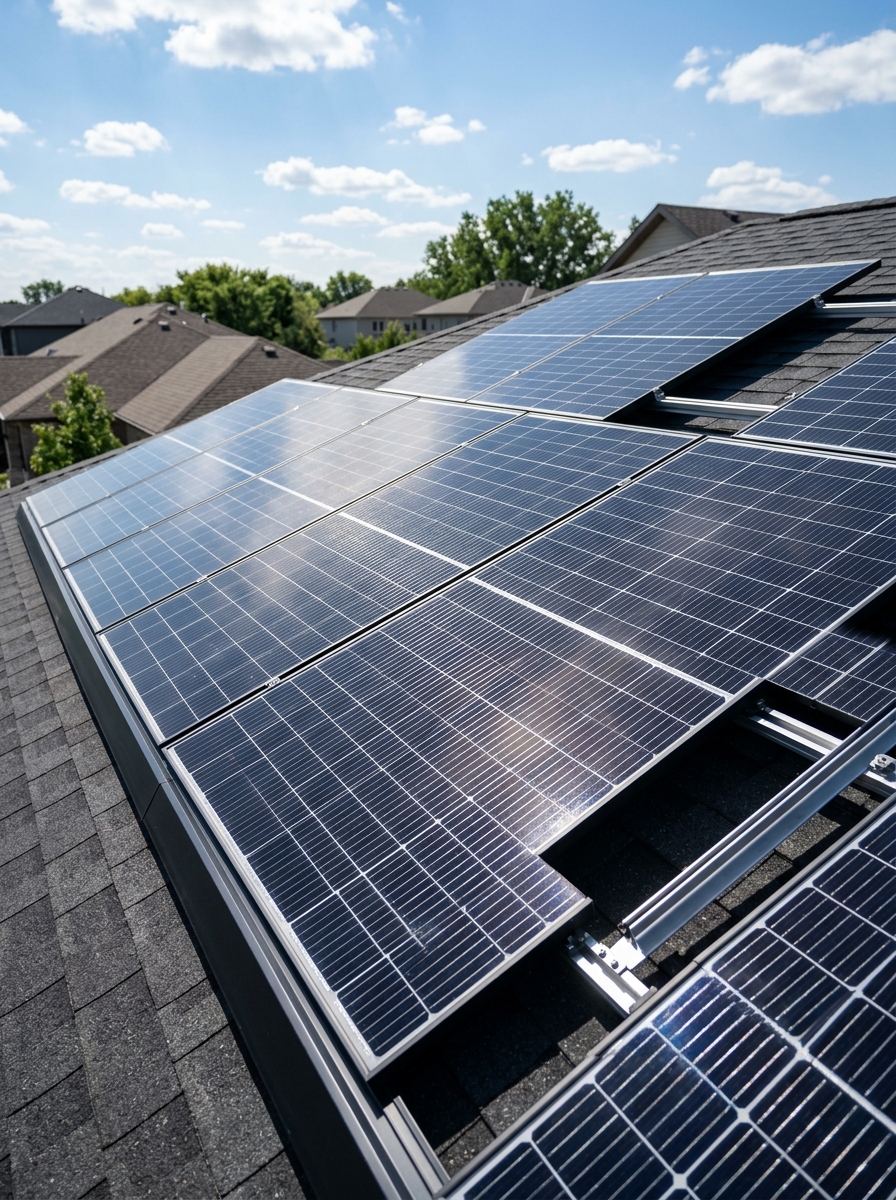
Installing a solar power system is a major investment for homeowners and businesses looking to reduce electricity costs and adopt clean energy. However, simply installing solar panels is not enough to achieve the expected results. The quality of the installation, panel placement, equipment selection, electrical connections, and ongoing maintenance can significantly affect system performance.
Common solar panel installation mistakes can lead to lower energy generation, safety risks, equipment damage, and unnecessary maintenance expenses. Some errors may be visible immediately, while others can reduce performance gradually over time.
Understanding these mistakes before installation can help property owners make better decisions. From selecting the right solar system capacity to ensuring proper rooftop orientation and choosing quality components, every stage of installation requires careful planning.
This guide explains the most common solar installation errors, their impact on system performance, and practical ways to avoid them.
Why Proper Solar Installation Is Important
A solar power system is designed to operate for many years. Proper installation ensures that the system can generate electricity efficiently while maintaining safety and reliability throughout its operating life.
Even high-quality solar panels may not deliver their expected output if they are poorly positioned or installed incorrectly.
Professional installation involves more than placing panels on a rooftop. It includes evaluating energy consumption, assessing the roof, selecting appropriate equipment, planning electrical connections, and configuring the system correctly.
Impact of Installation Quality on Energy Generation
The quality of installation directly influences how much electricity a solar system can generate.
Solar panels need suitable exposure to sunlight to perform efficiently. Incorrect positioning, shading, poor wiring, and unsuitable system design can reduce energy production.
For example, panels installed in an area affected by shadows from nearby buildings, trees, or water tanks may generate significantly less electricity during certain parts of the day.
Similarly, an incorrect tilt or orientation may prevent panels from receiving optimal sunlight.
A professional installation team evaluates these factors before finalising the system layout.
How Mistakes Reduce Solar System Performance
Installation mistakes can affect solar performance in several ways.
Common problems include:
- Reduced electricity generation
- Higher electrical losses
- Inverter performance issues
- Uneven panel output
- Equipment overheating
- Frequent system faults
- Shorter component lifespan
Some issues are easy to identify through monitoring systems, while others may require technical inspection.
For this reason, system design and installation should be approached as a complete process rather than a simple panel installation project.
Importance of Professional Installation Support
Solar installation involves electrical work, structural considerations, safety requirements, and technical equipment.
Experienced solar professionals can assess the property and recommend a suitable system based on electricity consumption, rooftop conditions, sunlight availability, and future energy requirements.
Professional support can also help ensure that equipment is correctly sized and installed according to applicable standards.
Before selecting an installer, property owners should review their experience, product warranties, installation practices, technical capabilities, and after-sales support.
Common Solar Panel Placement Mistakes
Solar panel placement has a major impact on energy generation. A well-designed layout can maximise sunlight exposure, while poor placement can create long-term performance problems.
Incorrect Rooftop Direction and Angle
One of the most common solar panel installation mistakes is failing to plan the panel orientation and tilt correctly.
In India, solar professionals generally consider the property’s location, rooftop design, seasonal sunlight patterns, and available space when determining panel placement.
The ideal orientation and tilt can vary depending on geographical location and installation conditions.
A panel layout should also consider maintenance access and potential shading throughout the day.
Instead of assuming that every rooftop should use the same angle, installers should assess the specific site before finalising the design.
Problems Caused by Shading Issues
Shading is another major factor that can reduce solar energy generation.
Potential sources of shade include:
- Trees
- Adjacent buildings
- Water tanks
- Chimneys
- Parapet walls
- Other rooftop structures
Even partial shading can affect the output of panels, depending on the system configuration and equipment used.
A proper site survey should identify current and potential shading problems.
Property owners should also consider whether nearby trees may grow taller over time and eventually create new shading issues.
Poor Space Planning During Installation
Rooftop space should be planned carefully before installation begins.
Poor space planning can result in:
- Insufficient maintenance access
- Difficult cleaning
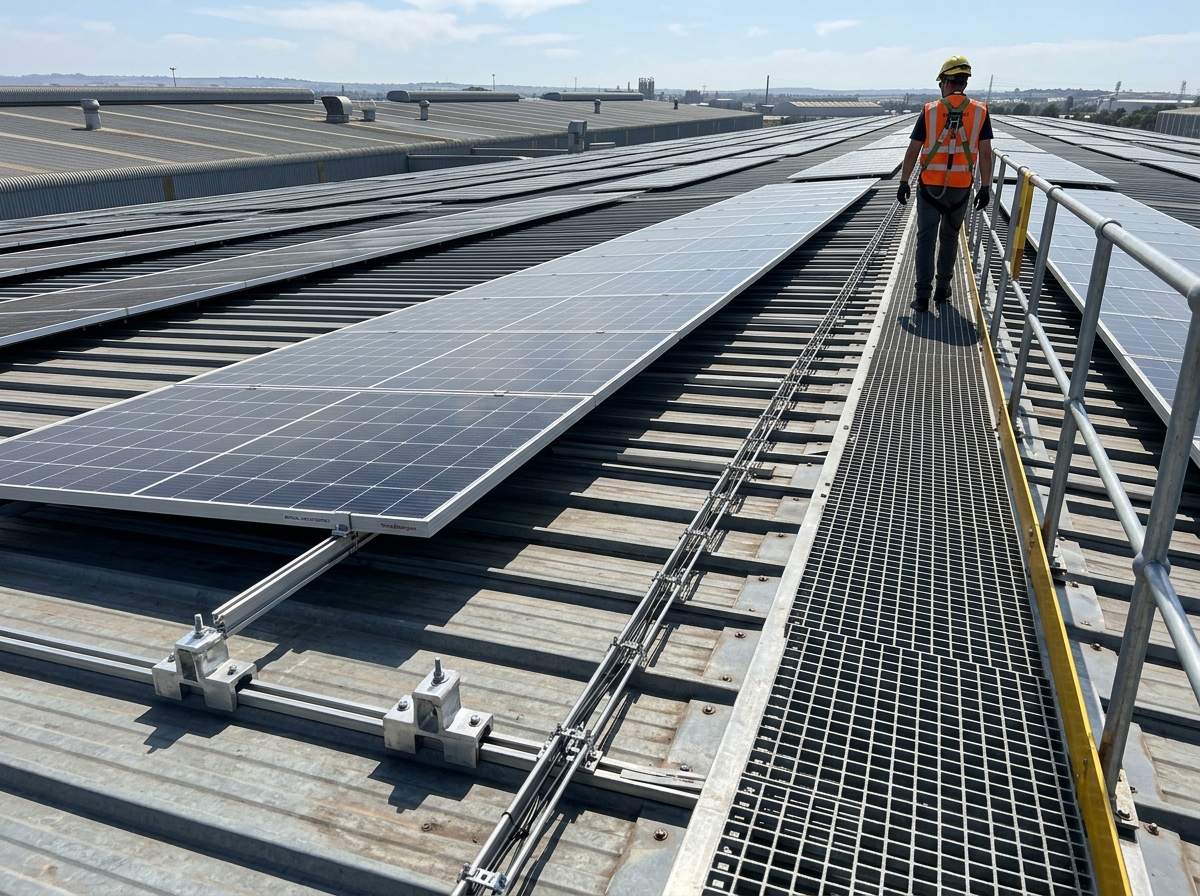
- Unsafe walking paths
- Unnecessary shading between panels
- Limited space for future expansion
Installers should consider the location of rooftop equipment, water tanks, vents, and other structures.
The layout should provide adequate access for inspection and maintenance while making effective use of the available rooftop area.
Equipment Selection Mistakes During Installation
Choosing the right solar equipment is just as important as installing it correctly.
A system should be designed according to the property’s electricity needs, rooftop conditions, budget, and future requirements.
Choosing Incorrect Solar System Capacity
Installing a system that is too small may not generate enough electricity to meet the property’s needs.
On the other hand, selecting a significantly oversized system without considering consumption patterns, available space, and applicable regulations may increase the initial investment without providing proportional benefits.
The appropriate solar capacity should be determined through an analysis of historical electricity consumption.
Factors that may be considered include:
- Monthly electricity usage
- Daily energy consumption
- Peak electricity demand
- Available rooftop area
- Future energy requirements
- Budget
A professional energy assessment can help determine an appropriate system size.
Using Low-Quality Solar Components
Another common mistake is choosing components based solely on the lowest upfront price.
Solar panels, inverters, mounting structures, cables, and protection equipment all contribute to system reliability.
Low-quality equipment may lead to:
- Reduced performance
- Frequent failures
- Higher maintenance costs
- Shorter operating life
- Difficult warranty claims
When comparing solar products, buyers should consider manufacturer reputation, technical specifications, warranties, applicable certifications, and after-sales support.
A slightly higher initial investment in reliable equipment may provide better long-term value.
Ignoring Inverter and Electrical Requirements
The inverter is a critical part of a solar PV system because it converts DC electricity generated by solar panels into AC electricity used by most electrical appliances.
Choosing an unsuitable inverter can affect system efficiency and reliability.
The installer should consider the solar array capacity, electrical configuration, grid connection requirements, and potential future expansion.
Electrical protection equipment is also important.
Depending on the system, appropriate devices may include:
- DC and AC isolators
- Circuit protection
- Surge protection
- Earthing equipment
- Properly rated cables
These components should be selected and installed according to the system design and applicable electrical requirements.
Maintenance and Safety Mistakes After Installation
Solar panels generally require limited maintenance, but that does not mean a system can be completely ignored after installation.
Regular monitoring and appropriate maintenance can help identify issues before they become serious.
Ignoring Regular System Checks
One common mistake is assuming that a solar system will operate perfectly without any inspection.
Over time, components can experience wear, environmental exposure, or electrical issues.
Periodic checks can help identify:
- Loose connections
- Damaged cables
- Inverter warnings
- Mounting problems
- Panel damage
- Unusual performance drops
Modern monitoring platforms can make it easier to track system performance.
If electricity generation suddenly falls below expected levels, the system should be investigated.
Poor Cleaning and Maintenance Practices
Dust, dirt, bird droppings, and other debris can accumulate on solar panels.
The impact depends on local environmental conditions, rainfall, panel angle, and the level of contamination.
However, excessive dirt can reduce the amount of sunlight reaching photovoltaic cells.
Cleaning should be performed safely and according to the manufacturer’s recommendations.
Property owners should avoid using unsuitable chemicals or abrasive materials that could damage the panel surface.
It is also important to remember that rooftop maintenance can involve safety risks. If panels are difficult to access, professional cleaning services may be more appropriate.
Overlooking Safety Standards
Solar systems generate electricity whenever panels receive sunlight, which means safety should remain a priority even when the system is not actively being used.
Improper electrical connections, damaged cables, inadequate earthing, or unsuitable protection equipment can create serious risks.
Installation and maintenance should therefore be handled by qualified professionals who understand applicable electrical and safety requirements.
Property owners should also ensure that system documentation, warranties, and maintenance records are retained for future reference.
How to Ensure Successful Solar Installation
Avoiding installation mistakes starts with careful planning.
A successful solar project involves evaluating the property’s energy requirements, selecting suitable equipment, designing an effective layout, and ensuring professional installation.
Selecting Experienced Solar Professionals
The installer you choose can have a major impact on the long-term performance of your solar system.
Before hiring a solar installation company, consider:
- Experience with similar projects
- Technical expertise
- Product quality
- Installation process
- Warranty coverage
- Customer support
- Maintenance services
Ask for a detailed quotation that clearly explains the system capacity, components, installation scope, warranties, and expected deliverables.
Avoid selecting a provider based only on the lowest price.
Following Proper Installation Guidelines
A professional installation should follow appropriate technical and safety practices.
This includes:
- Conducting a site assessment
- Evaluating rooftop conditions
- Planning panel placement
- Selecting suitable equipment
- Using appropriate electrical protection
- Ensuring proper earthing
- Testing the system before commissioning
The installer should also provide relevant documentation after completion.
This may include equipment warranties, system specifications, user instructions, and maintenance recommendations.
Monitoring System Performance Regularly
Monitoring is one of the easiest ways to identify potential performance issues.
Depending on the system, users may be able to track:
- Daily electricity generation
- Monthly energy production
- Inverter status
- System alerts
- Historical performance
Comparing actual generation with expected performance can help identify unusual changes.
For example, a sudden drop in generation during periods of strong sunlight may indicate shading, equipment problems, or another issue that requires attention.
Regular monitoring does not replace professional maintenance, but it can help property owners respond more quickly when problems occur.
Conclusion
Avoiding common solar panel installation mistakes is essential for achieving reliable electricity generation and protecting your long-term solar investment. Problems such as poor panel placement, shading, incorrect system sizing, low-quality components, and inadequate electrical protection can affect performance and create unnecessary costs.
A successful installation begins with proper planning. The property’s energy consumption, rooftop space, sunlight availability, electrical requirements, and future energy needs should all be considered before choosing a system.
Working with experienced solar professionals can help reduce installation risks and ensure that the system is designed and installed correctly. Buyers should also compare equipment quality, warranties, technical specifications, and after-sales support rather than choosing a provider based only on price.
After installation, regular monitoring and appropriate maintenance can help maintain system performance. Identifying unusual changes in electricity generation early may prevent small issues from becoming larger problems.
Ultimately, a solar system is a long-term investment. Taking the time to plan correctly, select reliable equipment, and follow professional installation practices can help homeowners and businesses get better value from their solar power system for years to come.
Frequently Asked Questions About Solar Panel Installation Mistakes
1. What are the most common solar panel installation mistakes?
Common mistakes include incorrect panel placement, ignoring shading, selecting the wrong system capacity, using poor-quality components, choosing an unsuitable inverter, and failing to follow proper electrical and safety practices.
2. Does the direction of solar panels matter?
Yes. Panel orientation can affect sunlight exposure and electricity generation. The appropriate direction and tilt depend on the installation location, rooftop design, and other site-specific factors.
3. Can shading significantly affect solar panel performance?
Yes. Shadows from trees, buildings, water tanks, and other structures can reduce solar generation. A professional site assessment should identify existing and potential shading before installation.
4. How can I avoid solar installation problems?
Work with experienced solar professionals, conduct a proper site assessment, select quality components, correctly size the system, follow installation guidelines, and monitor system performance after commissioning.
5. Is solar panel maintenance necessary after installation?
Yes. Although solar systems generally require limited maintenance, periodic inspection, appropriate cleaning, and performance monitoring can help maintain efficiency and identify potential issues early.