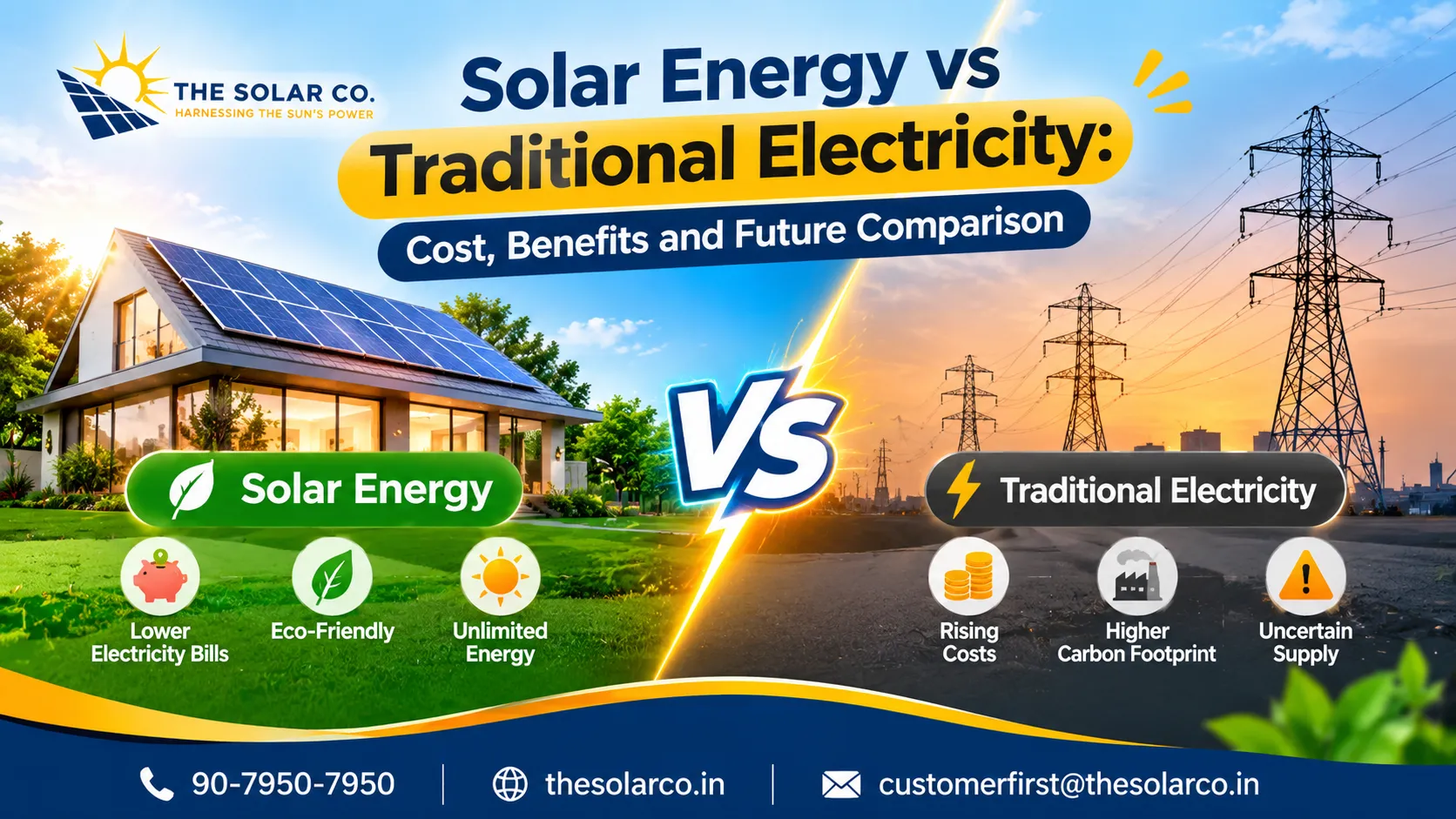
Electricity is essential for homes, businesses, and everyday activities, but the way it is generated can significantly affect monthly expenses and the environment. Understanding solar energy vs traditional electricity helps property owners compare energy costs, reliability, maintenance, and long-term benefits before choosing a power source. Traditional electricity depends on the utility grid, while solar power uses sunlight to generate electricity through photovoltaic panels. Both options have advantages and limitations. However, rising energy requirements, changing electricity tariffs, and growing awareness of renewable energy are encouraging more households to explore solar power as a practical alternative for managing their electricity consumption.
Understanding Solar Energy and Grid Electricity
Solar energy and traditional grid electricity provide power for similar applications, but their generation and distribution methods are different. Understanding how each source works helps consumers evaluate their suitability for residential and commercial requirements.
How Traditional Electricity Supply Works
Traditional electricity is generally generated through centralized power stations and distributed to consumers through an extensive transmission and distribution network.
Depending on the electricity mix of a region, power stations may use coal, natural gas, hydroelectricity, nuclear energy, or renewable sources. In India, coal continues to play a significant role in electricity generation, although renewable energy capacity is expanding.
After generation, electricity travels through transmission lines and substations before reaching homes and businesses. Distribution companies manage the local supply and provide connections to consumers.
The conventional electricity system offers several practical advantages:
- Continuous grid access: Consumers can receive electricity whenever the network is operating and sufficient supply is available.
- Centralized generation: Large power stations supply electricity to numerous residential and commercial connections.
- Established infrastructure: Existing distribution networks make electricity accessible across many urban and rural locations.
- Flexible consumption: Consumers can operate appliances according to their requirements without generating electricity themselves.
However, consumers remain dependent on grid availability, applicable tariffs, and local electricity distribution arrangements. Monthly bills also change according to consumption and tariff structures.
How Solar Power Generation Works
Solar power generation uses photovoltaic technology to convert sunlight directly into electricity. Solar panels contain photovoltaic cells that produce direct current (DC) electricity when exposed to sunlight.
An inverter converts this electricity into alternating current (AC), which can operate most household and commercial appliances.
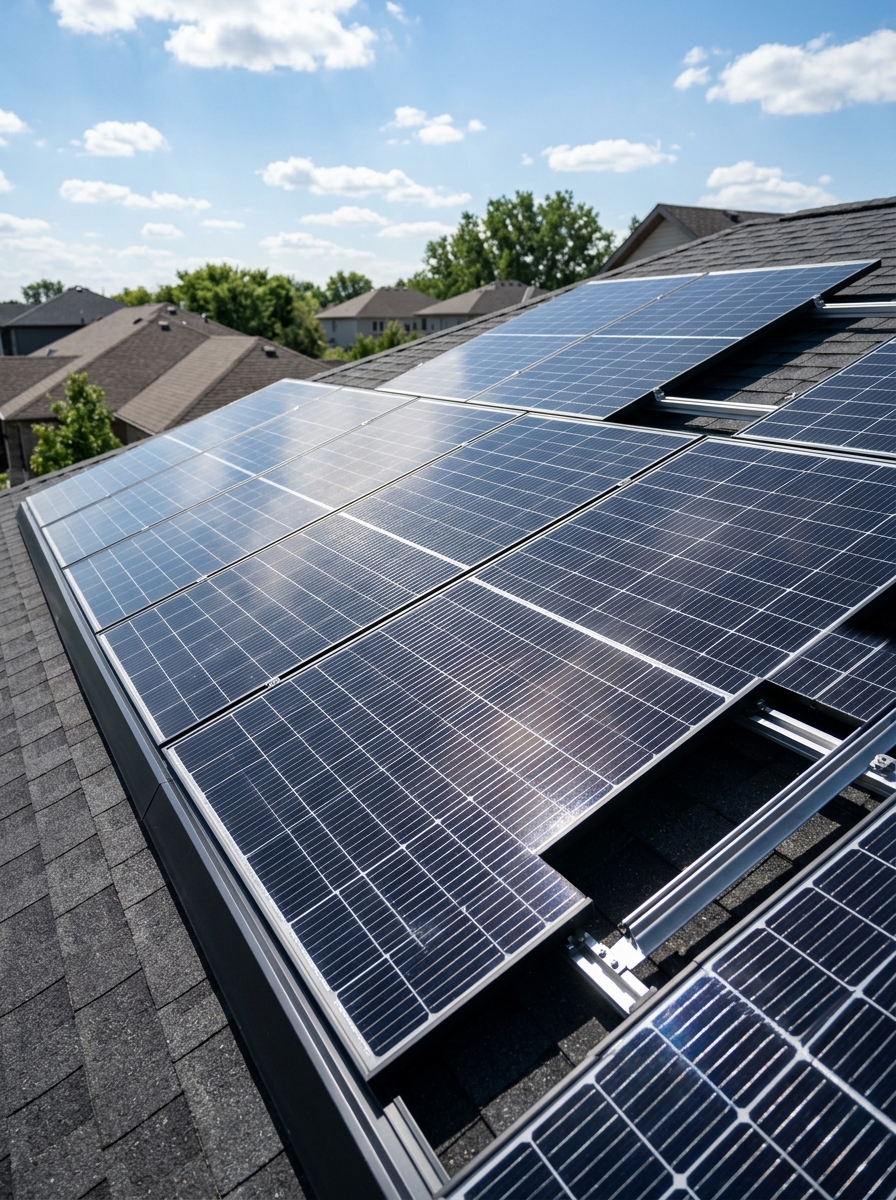
A rooftop solar installation generally includes solar panels, an inverter, mounting structures, electrical protection equipment, and suitable wiring. Depending on the system configuration, it may also include battery storage.
Solar installations commonly operate in three configurations:
- On-grid systems: Connected to the utility network and designed to work alongside grid electricity.
- Off-grid systems: Operate independently using solar generation and battery storage.
- Hybrid systems: Combine solar generation, grid connectivity, and compatible battery storage.
The amount of electricity generated depends on sunlight availability, panel capacity, orientation, shading, temperature, and system condition.
For homeowners considering solar power, a professionally designed residential solar system can help utilize available rooftop space and reduce dependence on purchased grid electricity.
Key Differences Between Both Energy Sources
The main difference is how electricity is generated and how consumers access it. Traditional electricity is supplied through the utility network, whereas rooftop solar allows consumers to generate electricity at their own properties.
Other important differences include:
| Comparison factor | Solar energy | Traditional electricity |
|---|---|---|
| Energy source | Sunlight | Mixed generation sources |
| Generation location | Rooftops or solar plants | Centralized power stations |
| Initial investment | Requires installation | Usually connection-based |
| Monthly expenses | Grid purchases may decrease | Based on electricity consumption and tariffs |
| Environmental impact | Low operating emissions | Depends on generation mix |
| Energy storage | Batteries can be integrated | Grid supply generally provides access without household batteries |
| Maintenance | Periodic system inspection | Consumer maintains internal electrical infrastructure |
Neither option is identical for every property. The right decision depends on electricity usage, location, budget, available rooftop space, and the reliability of the local grid.
Cost Comparison Between Solar and Traditional Electricity
Cost is one of the biggest factors influencing the decision to install solar panels. Traditional electricity usually requires no household generation equipment, while solar involves an initial investment followed by comparatively lower operating expenses.
Initial Investment Versus Monthly Expenses
Traditional electricity consumers generally pay an electricity bill according to their monthly consumption, applicable tariff slabs, fixed charges, taxes, and other approved fees.
There is usually no need to purchase a power generation system because the utility company manages electricity generation and distribution.
Solar installations work differently. Property owners invest in panels, inverters, mounting structures, wiring, protection devices, and installation services.
The initial cost depends on several factors:
- Total solar system capacity.
- Panel technology and manufacturer.
- Inverter type and capacity.
- Roof structure and installation complexity.
- Battery storage requirements.
- Electrical upgrades and protection equipment.
After installation, solar electricity can reduce the amount of energy purchased from the grid. However, the actual monthly bill depends on solar generation, household consumption, applicable billing rules, and electricity imported from the utility.
Battery-supported systems may involve additional investment, so buyers should assess whether backup electricity is worth the additional expense.
Long-Term Savings Potential
One major advantage of solar power is its potential to reduce electricity expenses over many years. Instead of purchasing all electricity from the utility, consumers can generate a portion of their energy requirements themselves.
For example, a household that consumes considerable electricity during daylight hours may directly use a large share of its solar generation. This can reduce grid imports and improve the financial value of the installation.
Long-term savings depend on:
- Daily and seasonal electricity consumption.
- Installed solar capacity.
- Local electricity tariffs.
- System generation throughout the year.
- Maintenance and equipment replacement costs.
- Applicable government incentives and export policies.
The payback period is the time required for cumulative financial benefits to recover the initial investment. It should be calculated using realistic generation estimates and actual electricity bills rather than general promotional claims.
Homeowners should also consider inverter replacement, potential repairs, cleaning, and other maintenance expenses when estimating lifetime savings.
Impact of Increasing Electricity Rates
Electricity tariffs can change over time because of fuel prices, infrastructure expenses, regulatory decisions, and other factors.
When grid electricity becomes more expensive, consumers who generate their own solar power may reduce their exposure to increasing energy costs.
Solar systems can therefore provide a degree of protection against future tariff changes. However, they do not eliminate every electricity expense.
For instance, properties may continue paying fixed charges, demand charges, or other applicable fees even after installing rooftop solar.
The financial advantage also depends on how surplus electricity is treated under local regulations. Export compensation rates and net-metering policies can influence overall savings.
A proper comparison should examine current bills, expected tariff changes, system costs, and realistic generation estimates together.
Performance, Reliability and Energy Independence Comparison
Both energy sources can support residential and commercial electricity requirements, but their performance depends on different conditions. Understanding availability, maintenance, and energy independence helps buyers evaluate which option is more suitable.
Power Availability and Energy Control
Traditional electricity offers access to the distribution network throughout the day, subject to grid availability and local supply conditions.
Solar generation, on the other hand, depends on sunlight. Panels generally generate electricity during daylight hours, with output changing according to weather, temperature, shading, and seasonal conditions.
An on-grid solar installation continues to rely on the utility network. Standard grid-connected inverters usually shut down during power failures for electrical safety reasons.
A hybrid or appropriately designed off-grid system can provide backup through compatible batteries. However, available backup depends on battery capacity, connected loads, and the inverter’s supported functionality.
Solar energy also gives consumers greater visibility into their electricity generation. Monitoring applications can display production information and help users understand how much electricity their systems generate.
Businesses can use this information to plan electricity consumption around periods of higher solar production.
Maintenance Requirements of Both Systems
Traditional electricity consumers generally maintain their internal wiring, electrical panels, switches, and appliances. The utility company manages the larger generation and distribution infrastructure.
Solar system owners have additional equipment to maintain. Solar panels may collect dust, leaves, bird droppings, and other debris that can affect energy production.
Regular inspection helps identify loose connections, damaged cables, mounting issues, inverter faults, and other potential problems.
Important maintenance activities include:
- Cleaning panels when necessary, following safe cleaning practices.
- Monitoring electricity generation for unexpected changes.
- Checking inverter alerts and fault notifications.
- Inspecting electrical connections and protective devices.
- Reviewing mounting structures and cable condition.
- Arranging professional inspections when required.
Modern solar systems generally have no moving parts in their panels, which helps keep routine maintenance relatively manageable.
However, inverters and batteries have different operating lifespans and may require servicing or replacement during the overall system life.
Energy Independence Benefits of Solar
One important reason consumers consider solar is the opportunity to generate electricity at their own properties.
Producing electricity locally can reduce dependence on purchased grid power, particularly when the system is appropriately sized for household consumption.
For example, a home with regular daytime electricity usage can utilize solar generation for appliances, cooling equipment, and other electrical requirements.
Businesses can also benefit by using rooftop installations to support daytime operations.
Energy independence does not necessarily mean complete independence from the electricity grid. Most on-grid systems continue using utility electricity whenever solar generation is insufficient.
Consumers seeking greater independence may consider battery storage, load management, and backup configurations.
The most practical approach is to balance solar generation with actual consumption rather than investing in unnecessary capacity.
Environmental Impact and Choosing the Better Energy Option for Homes
Environmental considerations are becoming increasingly important when comparing conventional electricity with renewable energy. However, selecting the better option also requires understanding household requirements, installation conditions, and future energy needs.
Carbon Emissions from Traditional Electricity
Traditional electricity can contribute to greenhouse gas emissions, particularly when generation depends heavily on fossil fuels such as coal and natural gas.
Burning these fuels releases carbon dioxide and other pollutants into the atmosphere. Electricity generation may also involve water consumption, mining activities, and environmental impacts associated with fuel transportation.
The overall environmental impact varies according to the energy sources used in a particular electricity network.
As electricity demand increases, improving generation efficiency and expanding cleaner energy sources become important for reducing the environmental footprint of power production.
Consumers cannot directly control the generation mix of their utility provider, but they can explore ways to reduce conventional electricity consumption.
Clean Energy Benefits of Solar
Solar power generates electricity without directly burning fossil fuels during normal operation. This makes it a cleaner electricity generation option compared with conventional fossil-fuel-based generation.
Once installed, rooftop solar systems can produce electricity for many years with relatively low operating emissions.
Their environmental benefits include:
- Reducing dependence on fossil-fuel-based electricity.
- Lowering operational greenhouse gas emissions.
- Utilizing renewable sunlight as an energy source.
- Supporting decentralized electricity generation.
- Making productive use of suitable rooftop areas.
Solar panels do have environmental impacts associated with manufacturing, transportation, installation, and end-of-life disposal. Responsible recycling and appropriate waste management are therefore important.
The overall environmental benefit depends on the system’s location, generation performance, equipment lifespan, and the electricity sources it replaces.
Factors to Consider Before Choosing Solar for Your Home
The decision to switch from traditional electricity to solar should begin with an assessment of the property’s actual requirements.
Homeowners should review their monthly electricity bills, daytime consumption, available rooftop space, roof condition, and budget.
The following factors are particularly important:
Electricity consumption: Homes with higher daytime electricity requirements may utilize a greater proportion of their solar generation directly.
Rooftop suitability: Available space, orientation, shading, and structural condition influence installation capacity and performance.
Grid reliability: Properties experiencing frequent power interruptions may need a hybrid or off-grid configuration with suitable backup arrangements.
Financial planning: Compare installation expenses, expected savings, maintenance costs, and applicable incentives before making a decision.
Future requirements: Consider additional air conditioners, electric vehicle charging, or changes in household consumption.
Future Benefits of Switching to Solar
Solar energy can support long-term household energy planning by allowing property owners to generate electricity from a renewable source.
As electricity requirements grow, a properly planned installation can help manage grid consumption and provide greater control over energy expenses.
Solar technology is also improving through better panel efficiency, advanced inverters, smart monitoring, and more flexible battery storage options.
For homeowners in Jaipur and other parts of Rajasthan, rooftop solar offers an opportunity to utilize the region’s abundant sunlight.
The Solar Co. provides residential, commercial, and institutional solar solutions, helping customers explore suitable systems according to their electricity requirements and property conditions.
Ultimately, solar energy and traditional electricity do not always need to be competing choices. A grid-connected solar installation can combine the benefits of local renewable generation with the convenience of utility electricity. By comparing costs, performance, environmental impact, and future needs, homeowners can choose an energy arrangement that supports reliable electricity access and more sustainable consumption.