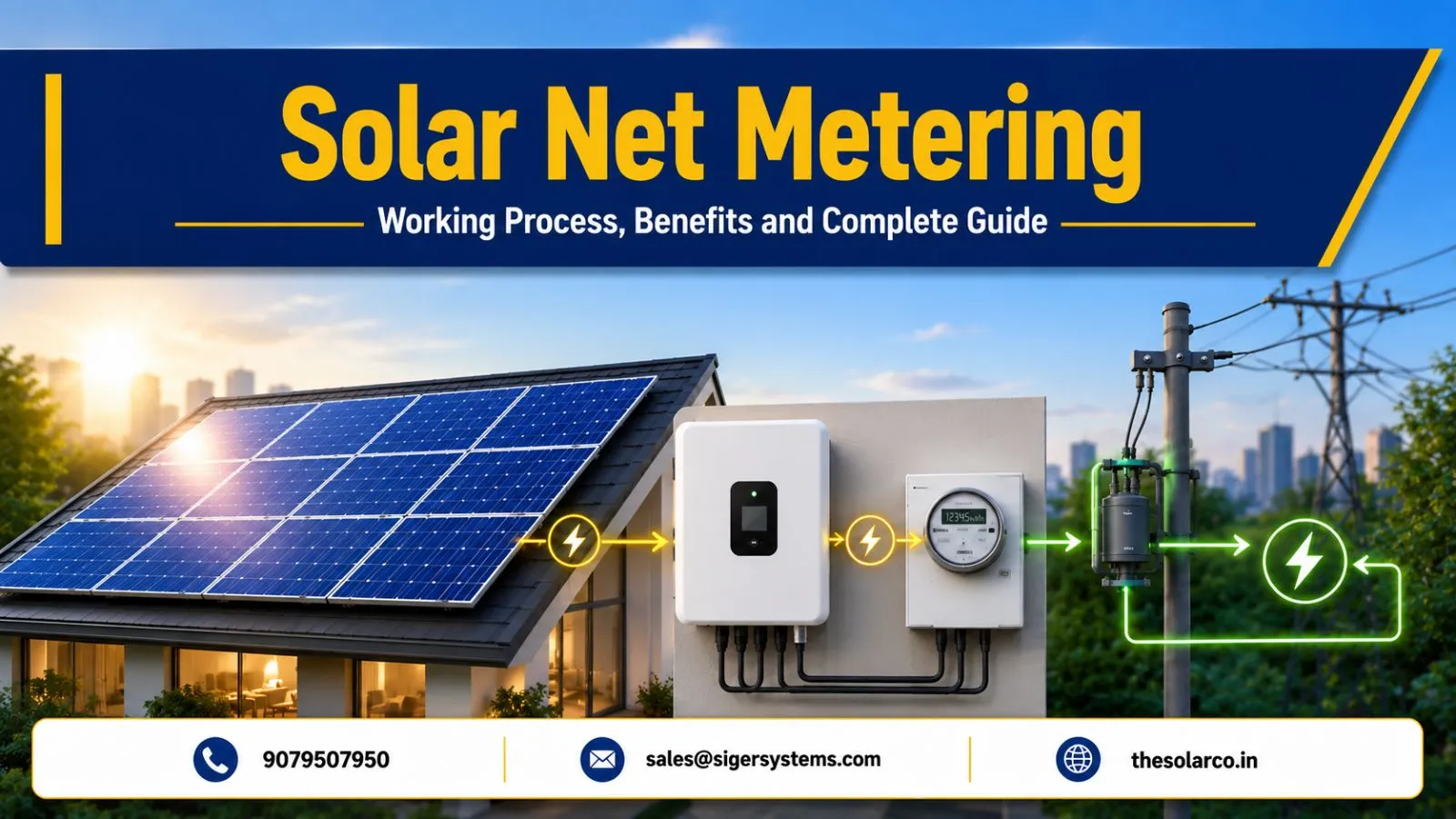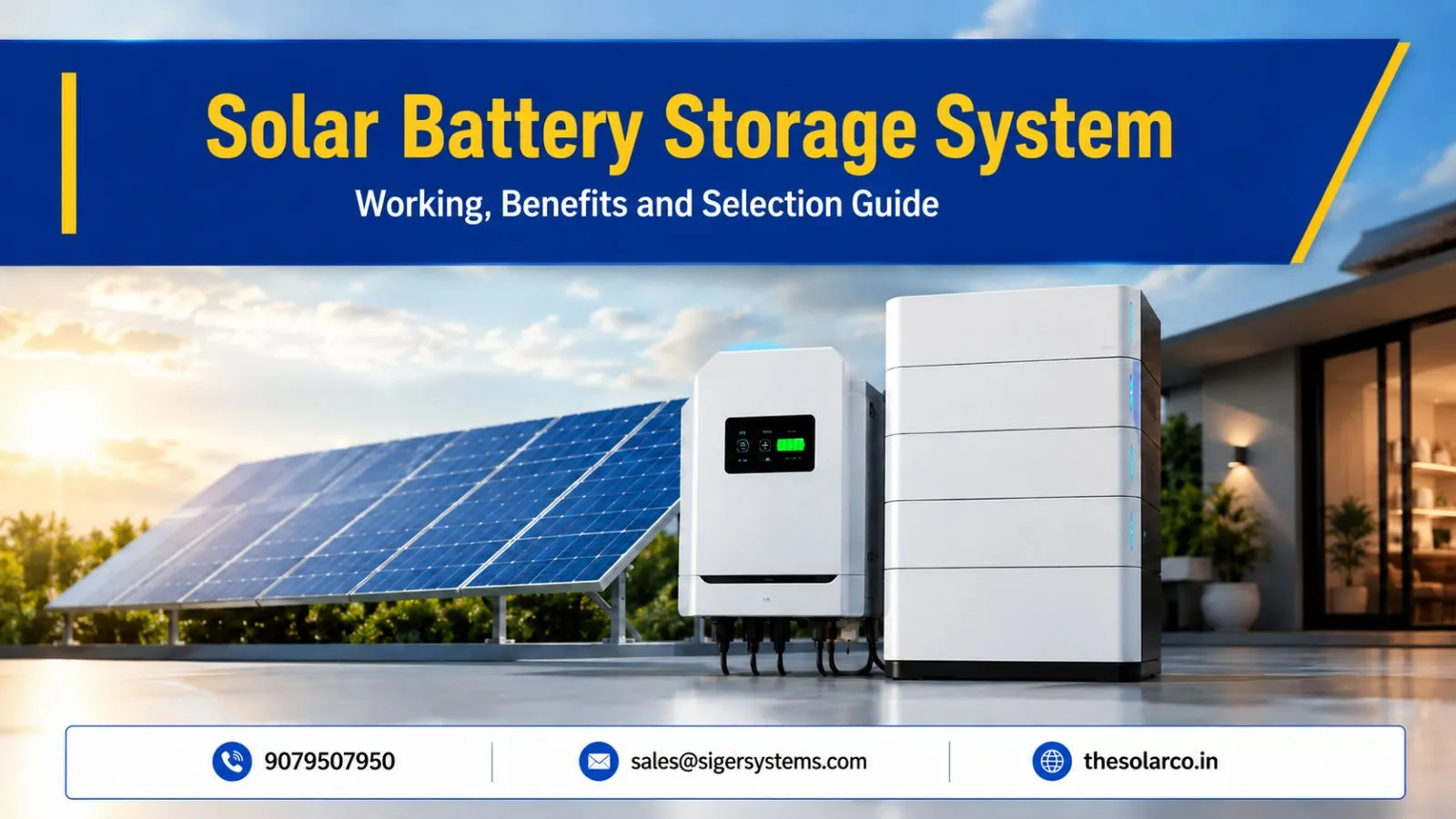

A residential Battery Energy Storage System (BESS) stores electricity for later use, helping homeowners manage energy consumption more efficiently. When connected to a rooftop solar installation, it can store surplus electricity generated during the day and make that energy available when solar production decreases or household demand increases.
Unlike a standalone battery, a BESS combines battery storage with power conversion, monitoring, and energy management components. Depending on the system design, it can help households use stored solar power in the evening, reduce dependence on grid electricity, and maintain power to selected appliances during outages.
The system’s capacity, inverter compatibility, backup configuration, and energy management features determine how effectively it meets a household’s requirements.
How BESS Works with Solar Power Systems
A residential BESS can work alongside a solar photovoltaic (PV) system to improve how generated electricity is used. During sunny hours, solar panels supply power to household appliances. If generation exceeds immediate consumption, the surplus can charge the battery, provided the system has sufficient capacity and the configuration supports charging.
When solar production falls, stored energy can supply compatible household loads. Depending on the setup, the home can also draw electricity from the grid when solar generation and battery reserves are insufficient.
Homeowners can explore rooftop solar systems designed for residential properties to understand how solar generation and battery storage can work together.
Difference Between Normal Battery Backup and BESS
Traditional inverter-and-battery systems primarily provide backup when grid electricity fails. A BESS generally offers broader energy management capabilities, particularly when integrated with solar panels and a compatible inverter.
A conventional backup system may have limited monitoring and control features. In contrast, a BESS can monitor charging, discharging, household demand, and energy flows through a monitoring interface or energy management system.
However, the distinction depends on the equipment. Some modern home inverter systems also provide advanced monitoring and solar integration, while not every BESS installation includes whole-home backup or sophisticated automation. The system’s specifications and configuration are therefore more important than the label alone.
How Residential BESS System Works
Solar Energy Generation and Storage Process
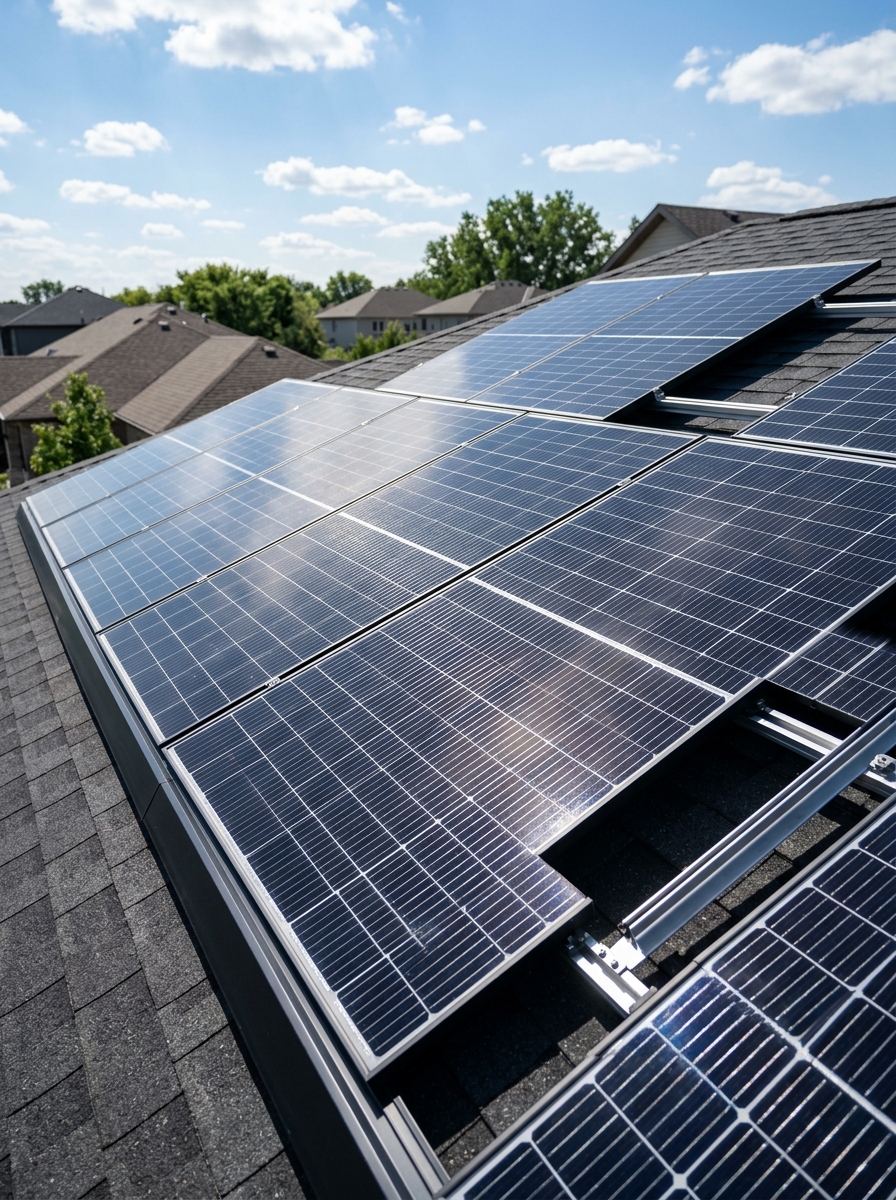
The process begins when rooftop solar panels convert sunlight into electricity. A compatible inverter converts the generated electricity into usable AC power for household appliances. When solar generation exceeds the home’s immediate requirements, the system can direct available surplus energy to the battery.
A battery management system monitors important operating parameters, such as voltage, temperature, and state of charge, to help maintain safe operation within the manufacturer’s specified limits. The inverter and energy management controls coordinate charging and discharging according to system settings.
The amount of energy stored depends on several factors, including solar generation, household consumption, battery capacity, conversion losses, and the battery’s permitted charging limits. A properly sized system balances these factors rather than simply choosing the largest available battery.
Managing Power During Peak and Low Usage Hours
Household electricity demand changes throughout the day. Solar generation is often strongest around midday, while electricity use may rise in the evening when lighting, cooling, cooking, and entertainment appliances are operating.
A residential BESS can store excess daytime solar electricity and discharge it later, reducing the need to purchase grid electricity during periods when the battery has sufficient stored energy. Depending on the system, homeowners may configure charging and discharging schedules or prioritise solar self-consumption.
Some systems also support time-of-use optimisation, where available electricity tariffs make certain periods more expensive than others. The financial benefit depends on the local tariff structure, export compensation rules, battery efficiency, and installation cost. Battery storage does not automatically guarantee lower bills, so the expected savings should be assessed against actual usage patterns.
Automatic Backup During Electricity Failure
A backup-capable BESS can supply electricity during a grid outage, but the system must be designed for this purpose. Certain inverters support backup operation through a dedicated output or transfer arrangement, while others may shut down during a grid failure even if solar panels and a battery are installed.
During an outage, the system may disconnect the home or designated backup circuits from the utility grid and use battery power to supply supported loads. Some configurations can also use available solar generation to support household demand and recharge the battery during daylight, subject to inverter capability and operating conditions.
Backup duration depends on usable battery capacity and the power consumed by connected appliances. Essential loads such as lights, fans, routers, and selected refrigeration circuits generally require less energy than air conditioners, electric water heaters, or other high-power equipment.
Homeowners should confirm which appliances will remain operational, the maximum backup output, and whether the system supports automatic changeover before installation.
Benefits of Installing Residential BESS
Better Energy Independence for Homeowners
A residential BESS can help households use more of the electricity generated by their own solar panels. Instead of relying entirely on immediate solar generation or grid supply, homeowners can retain some surplus energy for later use.
This can be particularly useful where evening consumption is high, grid reliability is inconsistent, or household energy needs vary throughout the day. The battery provides greater flexibility in deciding when stored energy is used.
However, energy independence is not the same as complete off-grid capability. A home that needs to operate independently of the grid requires careful planning of solar capacity, battery storage, inverter output, seasonal generation, and essential loads. Extended cloudy periods and unusually high demand can still require additional energy resources.
Improved Solar Energy Utilisation
Without storage, surplus solar electricity may be exported to the grid, depending on the installation and applicable regulations. A BESS gives homeowners another option: store some of that electricity and use it when solar generation is low.
This can increase the share of solar energy consumed within the home. The value of storing energy rather than exporting it depends on the difference between the electricity import tariff and the compensation available for exported power.
Battery efficiency also matters because some energy is lost during charging and discharging. A suitable system should therefore be evaluated using realistic solar-generation estimates, household load profiles, export rules, and the battery’s usable capacity.
Smart Power Management Advantages
Modern residential storage systems may include mobile applications, energy dashboards, usage reports, and alerts. These tools can help homeowners understand how much electricity their solar panels generate, how much energy the home consumes, and when the battery charges or discharges.
Depending on the equipment, users may also set reserve levels for outages, establish operating schedules, or prioritise selected loads. Monitoring can make it easier to identify unusual energy consumption and understand whether the system is operating as expected.
Smart management is most useful when the information leads to practical decisions, such as adjusting appliance usage or changing battery settings. Homeowners should check the monitoring features, communication requirements, software support, and warranty terms before choosing a system.
Components of a Residential BESS System
Battery Storage Unit
The battery stores electricity for later use. Lithium-ion batteries are widely used in residential storage, with lithium iron phosphate (LFP) being one option valued for its thermal stability and cycle-life characteristics. The right chemistry depends on the product, operating conditions, budget, and manufacturer’s specifications.
When comparing batteries, homeowners should consider usable energy capacity in kilowatt-hours (kWh), maximum charge and discharge power in kilowatts (kW), round-trip efficiency, expected cycle life, warranty coverage, and operating temperature range.
Capacity and power are different measurements. Capacity indicates how much energy the battery can store, while power determines how much electricity it can deliver at a given moment. A battery may contain enough stored energy for several hours but still be unable to operate multiple high-power appliances simultaneously.
The installation should also include appropriate electrical protection, ventilation or thermal management as required, and a location that follows the manufacturer’s safety instructions and applicable electrical standards.
Energy Management System
The energy management system coordinates electricity flows between solar generation, battery storage, household loads, and the grid. Depending on the product, it may monitor energy demand, control charging and discharging, maintain a backup reserve, and optimise system operation.
Some residential systems include these functions within the inverter or battery controls, while others use a separate controller or monitoring platform. Compatibility between components is essential because not every battery, inverter, and control system can communicate with one another.
Before installation, homeowners should confirm supported operating modes, monitoring availability, software update arrangements, and what happens if internet connectivity is interrupted. Local monitoring and cloud-based monitoring may offer different features, so these details should be checked against the product documentation.
Integration with Solar Inverter
The inverter is a key part of the installation because it manages the conversion and distribution of electricity. A battery-compatible hybrid inverter may coordinate solar generation, battery charging, household consumption, and grid interaction within a single system.
Alternatively, some installations use an additional battery inverter alongside an existing solar inverter. The suitable approach depends on the current system, equipment compatibility, available electrical capacity, and whether the installation requires backup power.
Professional design should account for inverter ratings, battery voltage and communication protocols, protection devices, earthing, isolation, changeover arrangements, and applicable grid-connection requirements. Grid-connected systems must also maintain the required protection against energising the utility network during an outage.
For a more complete understanding of compatible equipment, explore solar panels, inverters, and other system components before finalising a storage configuration.
Future of Smart Home Energy Storage
Growth of Battery-Based Solar Solutions
As residential solar adoption expands, battery storage is becoming an important option for households that want more control over when they use generated electricity. Improvements in battery technology, system monitoring, and inverter integration are creating more flexible options for residential energy management.
Adoption will still depend on local electricity tariffs, upfront costs, financing availability, grid reliability, and applicable policies. In some homes, direct solar consumption may provide better value than adding storage immediately. In others, the value of backup power or evening energy use may make a battery worth considering.
Homeowners should compare the complete installed cost with expected bill savings and the practical value of backup. They should also account for future battery replacement, warranty limits, and the possibility that household energy requirements may change.
Role of Smart Energy Technology
Smart energy systems are increasingly focused on coordinating solar generation, battery storage, household demand, and grid electricity. Depending on equipment availability and local regulations, future systems may integrate more closely with smart appliances, electric vehicle charging, dynamic tariffs, and home energy management platforms.
These capabilities can help shift flexible electricity use to more suitable times and make better use of locally generated power. However, advanced features depend on compatible devices, reliable controls, cybersecurity protections, and support from manufacturers or service providers.
When evaluating a smart BESS, homeowners should prioritise dependable operation, clear monitoring, service support, and the ability to use essential functions even when internet access is unavailable.
Long-Term Benefits for Solar Users
A well-designed residential BESS can improve solar self-consumption, provide backup for selected loads, and give households more visibility into their energy use. Its long-term value depends on correct sizing, safe installation, realistic operating expectations, and regular monitoring.
Before investing, review the household’s electricity bills, daytime and evening consumption, outage frequency, available roof space, and the solar system’s existing configuration. Ask installers to explain usable battery capacity, backup power limits, expected efficiency, warranty conditions, and the estimated financial payback under realistic assumptions.
Battery storage is not a universal requirement for every rooftop solar installation. For households that need backup or want to use more of their solar electricity after sunset, however, a compatible residential BESS can be a practical step towards smarter home energy management.